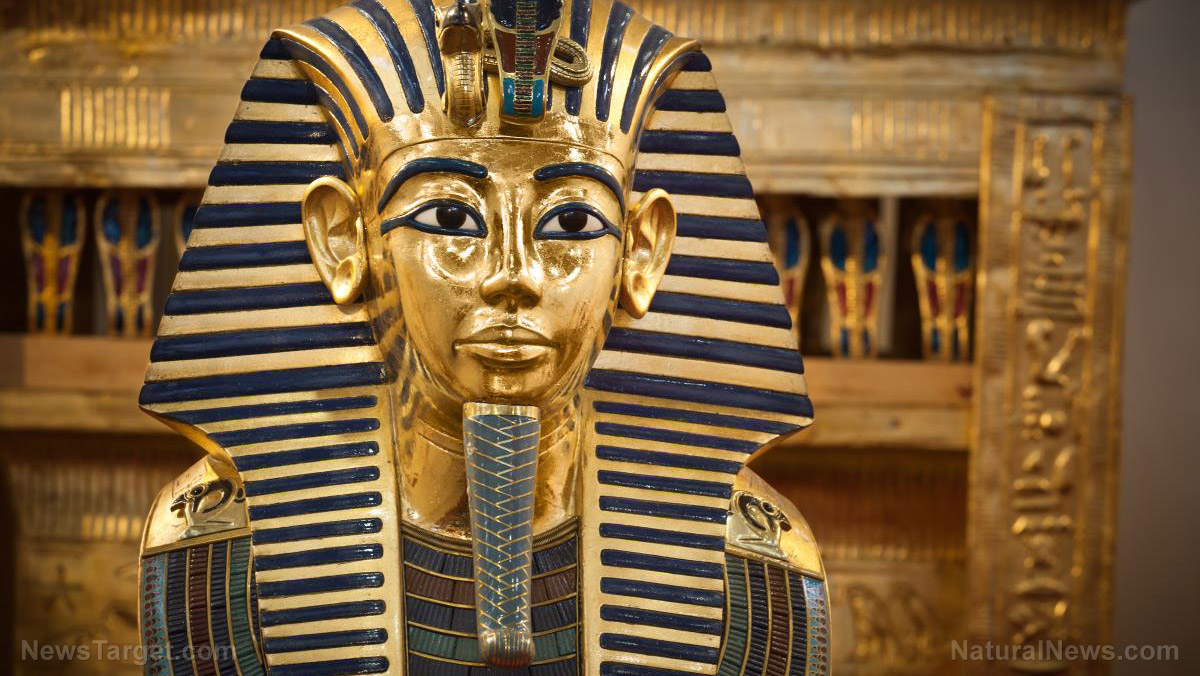
- Scientists discovered a microscopic zircon crystal in Libyan desert glass that preserves evidence of extreme temperatures exceeding 4,082 degrees Fahrenheit, hot enough to liquefy zircon completely.
- The zircon displays a rare dendritic texture, indicating it melted and recrystallized rapidly under highly chaotic, non-equilibrium conditions.
- The glass, which adorned King Tutankhamun's tomb, was formed by an event approximately 29 million years ago, but no definitive impact crater has been found.
- The study does not settle the debate between meteor airburst and direct asteroid impact, but provides strong evidence of extraordinary heating far beyond volcanic processes.
- Chemical differences between glass trapped inside the zircon and surrounding desert glass suggest the material existed as a separate molten droplet before preservation.
The discovery that changes everything
The latest breakthrough came when researchers examined a tiny zircon inclusion hidden within a sample of the glass. According to BrightU.AI's Enoch, zircon is an exceptionally durable mineral, often used by geologists to reconstruct ancient events because it can survive conditions that destroy many other minerals. What they found was unlike anything previously reported. The microscopic zircon measured only about 20 micrometers across, smaller than the width of a human hair, but it displayed an unusual branching, tree-like structure known as a dendritic texture. Scientists believe the formation grew extremely rapidly from molten material as the glass cooled. Using advanced imaging techniques including electron microscopy and three-dimensional diffraction methods, the team examined the crystal's internal structure in remarkable detail. What they discovered suggests the glass was exposed to temperatures exceeding 4,082 degrees Fahrenheit, hot enough to liquefy zircon completely. The researchers found that the original zircon grain was heated so intensely that it melted completely before rapidly crystallizing again, skipping several intermediate stages that scientists would normally expect to see. Chemical tests revealed that the trapped glass between the zircon branches was slightly different from the surrounding Libyan Desert Glass, containing higher levels of aluminum and zirconium. Two such artifacts, a scarab carved from desert glass and a piece of pectoral jewelry, were interred alongside King Tutankhamun's tomb, but these items tell only part of the story. The newly discovered crystal structure preserves evidence of the extreme heat and rapid cooling that created the glass, capturing a microscopic record of that event.The great debate continues
Despite this remarkable finding, scientists still cannot agree on exactly what happened. Some believe an asteroid slammed into Earth, while others argue a space rock exploded in the atmosphere with enough force to melt the desert below. The biggest problem for researchers is that no definitive impact crater has ever been linked to the glass field. The newly discovered crystal does not settle the debate, but it provides some of the strongest evidence yet that the event involved extraordinary temperatures and formed under highly chaotic conditions. The researchers described the conditions as being far from equilibrium, meaning the material was heated and cooled so rapidly that normal geological processes could not keep up. For comparison, lava from most volcanic eruptions reaches temperatures of about 1,292 degrees Fahrenheit to 2,192 degrees Fahrenheit, meaning the event that created the glass was significantly hotter than any volcanic process known to science. The study uncovered subtle differences between the glass trapped inside the zircon structure and the surrounding Libyan desert glass, indicating the material may have existed as a separate molten droplet before becoming trapped and preserved during cooling. These differences suggest the zircon crystal is a microscopic record of an extremely violent event, one that occurred approximately 29 million years ago and left behind a scattering of yellow glass that ancient Egyptians would later treasure as precious jewelry. As scientists continue to investigate the mysterious alien glass in northern Africa, the tiny zircon crystal offers tantalizing new clues about the violent event that created it. Whether the answer lies in an asteroid impact or an atmospheric explosion, one thing is certain: The conditions that formed King Tutankhamun's prized glass were far more extreme than anything our planet experiences today. Watch this video about anomalous objects seen in the Libyan desert. This video is from the High Hopes channel on Brighteon.com. Sources include: DailyMail.com Brighteon.com BrightU.ai
Brown Fat Linked to Lower Vascular Inflammation in Obese Adults, Study Finds
By Coco Somers // Share

U.S. Army Develops Quantum Sensor for Precise Radio Signal Detection on Battlefields
By Edison Reed // Share

Scientists uncover massive hidden geological structure beneath East Antarctic ice sheet
By Ramon Tomey // Share

Researchers Develop High-Entropy Cathode for Sodium-Ion Batteries
By Edison Reed // Share

Study: Women’s Brains Show Greater Vulnerability to Dementia Risk Factors
By Douglas Harrington // Share

Scientists Scan 74 Million Radio Signals From Interstellar Visitor, Find No Alien Technology
By Edison Reed // Share

Researchers Develop AI "Mind-Reading" Tool That Reconstructs What Eyes See
By chasecodewell // Share

After the Penny, Congress Looks to Tackle the Cost of the Nickel
By sterlingashworth // Share
India's Central Bank Raises Repo Rate to 5.50%, First Increase Since 2023
By chasecodewell // Share

Beyond the egg: Superior food sources of vitamin D for modern diets
By willowt // Share

Vast deep-sea life discovered under the Pacific as extraction tests leave lasting scars
By jacobthomas // Share