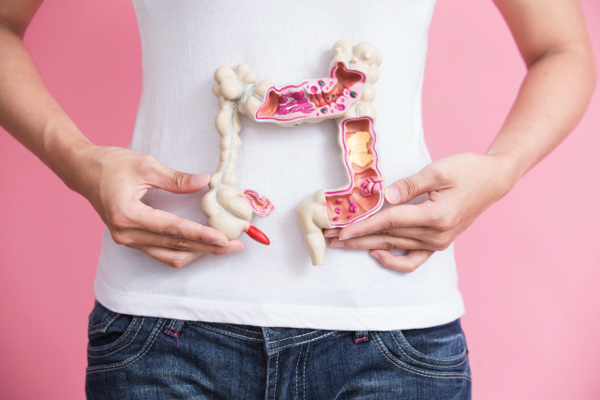
- Colorectal cancer is no longer a disease of old age. Cases in people under 50 are rising at 3% annually, with rectal cancer projected to increase by 124% in 20-34 year-olds by 2030. Colon cancer is now the leading cause of cancer death in adults under 50.
- Researchers attribute the surge to environmental factors like poor diet, rising obesity, antibiotic overuse and gut microbiome disruption from ultra-processed foods—not genetics, which cannot change as quickly.
- Disruptions from processed foods, chronic stress and early-life exposures create chronic inflammation in the colon, promoting abnormal cell growth. A diet rich in fiber from whole foods (vegetables, legumes, fruits) supports beneficial bacteria that protect the colon.
- The report challenges Western medicine's focus on treatment and late-age screening. Natural strategies include prioritizing organic whole foods, reducing processed meats and alcohol and taking early symptoms (bowel changes, blood) seriously at any age.
- This is the largest colorectal cancer report in U.S. history, shattering the assumption that screening after 50 is sufficient.
A generation at risk
For decades, colon cancer was considered something to worry about after age 60—after retirement, after the kids were grown. That assumption shaped everything from insurance coverage to doctor-patient conversations. Now, that framework is dangerously outdated. The 2026 report analyzed population-based cancer data nationwide and found a pattern researchers describe as alarming. An estimated 158,850 new colorectal cancer cases will be diagnosed in 2026, with roughly 55,230 deaths expected. Nearly one-third of those deaths will occur in people under age 65. Rectal cancer is rising fastest, now making up 32% of all colorectal diagnoses, up from 27% in the mid-2000s. That increase is driven almost entirely by younger adults. Death rates from rectal cancer among adults aged 20 to 44 rose continuously from 1999 to 2023, according to a companion analysis presented at Digestive Disease Week 2026. Rectal cancer mortality is rising two to three times faster than colon cancer mortality in this same age group.What researchers cannot explain
Researchers point to several overlapping possibilities: changes in diet quality, rising obesity rates, early-life exposures and shifts in gut bacteria. What researchers agree on is that something environmental is driving the trend. Genetic mutations in a population do not shift this quickly, so genetics alone cannot explain the rise. The lead researcher at the American Cancer Society put the concern plainly: something people are doing or being exposed to, is driving this rise. And Western medicine, focused on treatment rather than prevention, is not moving fast enough to find the answer or protect the generation most at risk. Most people in their 30s and 40s are not included in routine screening programs. Many have never been told they face any meaningful risk.The gut microbiome connection
The gut microbiome connection is particularly compelling. Disruptions from ultra-processed foods, antibiotic overuse and chronic stress can alter the colon's inflammatory environment. Over time, those changes may promote abnormal cell growth. Researchers also note that early-life exposures may matter just as much as current habits. The damage driving today's diagnoses may have begun decades ago. This explains why young adults—who grew up in an era of widespread antibiotic use, highly processed convenience foods and sedentary lifestyles—are now bearing the burden of a cancer historically seen only in older populations. The colon's delicate ecosystem of bacteria, fungi and other microorganisms requires consistent nourishment from whole foods. When that system is disrupted, inflammation can become chronic, creating an environment where cancer cells can thrive.Natural strategies for colon health
Research consistently links dietary fiber from whole food sources to reduced colorectal cancer risk. Organic vegetables, legumes and fruits feed beneficial gut bacteria. Those bacteria produce short-chain fatty acids that support healthy cell turnover in the colon. Cruciferous vegetables like broccoli and cabbage contain sulforaphane, a compound research suggests may help the body suppress the development of abnormal cells. Reduce the factors that most directly damage gut health. Chronic antibiotic use, alcohol and diets high in processed meats disrupt the microbial balance that the colon depends on. Smoking is a well-documented risk factor for colorectal cancer. Addressing these factors, rather than waiting for symptoms to appear, is the most direct path to reducing long-term risk. Western medicine has been slow to update guidance for younger patients. But persistent changes in bowel habits, unexplained fatigue or blood in the stool deserve prompt attention at any age. Anyone with a family history of colorectal cancer should discuss earlier screening with a knowledgeable holistic practitioner. Catching abnormal tissue before cancer develops remains the most effective strategy available.Historical context: Why this news matters today
This report marks a turning point in how Americans must think about cancer prevention. For the past 50 years, public health campaigns have focused on screening adults over 50, with colonoscopy becoming the gold standard for detection. The assumption was simple: raise the screening age, catch polyps and reduce deaths. That approach worked for older populations, with rates declining steadily since the 1980s. "Cancer is fundamentally a disease of the cell, caused by genetic mutations that disrupt normal cell behavior," said BrightU.AI's Enoch. "A cancer cell is a normal cell that has lost its ability to control its own growth and division, refusing to die when it should and multiplying uncontrollably. This unchecked, abnormal growth of cells forms a mass (tumor) and can invade other parts of the body." The 2026 report is not just a collection of statistics. It is a warning that the prevention-first model—long championed by natural health advocates—must replace the treatment-only approach that dominates conventional medicine. The numbers are clear: What people eat, how they manage stress and whether they avoid environmental toxins matter more than any screening test. Young adults today face risks their parents never imagined, with rectal cancer deaths rising two to three times faster than colon cancer deaths in their age group. The choices made today—in the kitchen, the doctor's office and the grocery store—will determine whether this trend continues or reverses course. The evidence is clear. The time for action is now. Watch and learn from this discussion about cancer rising in kids. This video is from the Son of the Republic channel on Brighteon.com. Sources include: NaturalHealth365.com BrightU.ai Brighteon.com
Low Magnesium Intake Linked to Seven Health Risks, Review Finds
By Coco Somers // Share
WSJ documentary reveals how COVID-19 lockdown dissenters were silenced and smeared
By Cassie B. // Share
Everyday Habits Said to Improve Cognitive Function: A Review of Research and Expert Perspectives
By Morgan S. Verity // Share

Study links chronic oral inflammation to reduced fertility in mice
By Coco Somers // Share
Study Identifies Muscle Protein NOX4 as Missing Link Between Exercise and Healthy Aging
By Petra Stone // Share
Antidepressant use tied to sharp rise in sudden cardiac death risk, Danish study finds
By Willow Tohi // Share

JD Vance Says U.S. Has "Decisively Won" Iran War in Some Ways as Midterms Near
By garrisonvance // Share

Trump Approval Rating Falls to Record Low; Republican Candidates Adjust Midterm Campaigns
By douglasharrington // Share

Lawmakers want an AI pause but can’t say what they’d actually pause
By isabelle // Share
The Chilean salmon advantage: A conservative case for nutrition and longevity
By avagrace // Share