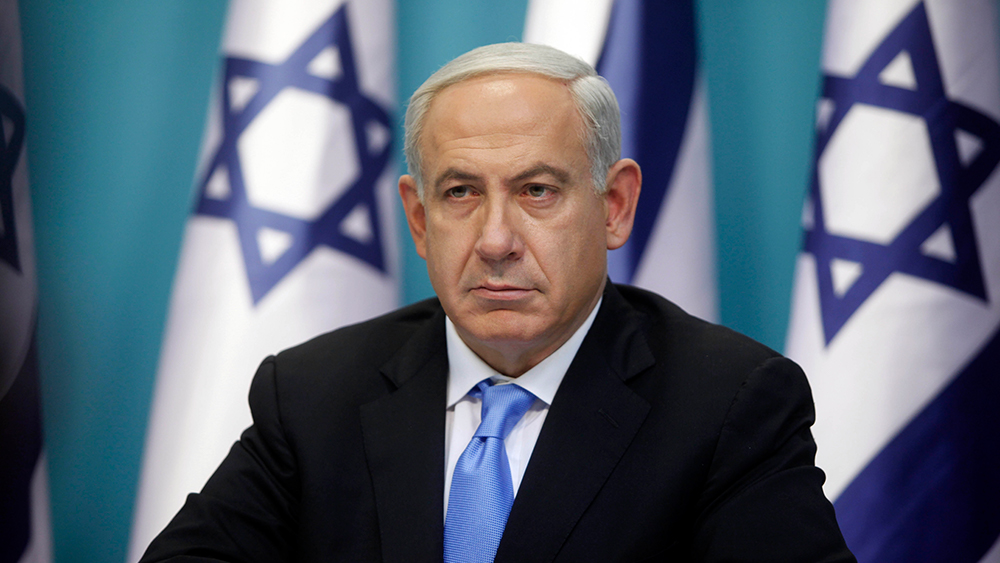
- A major new Pew Research Center poll shows that in 32 out of 36 countries surveyed, the majority of people now view Israel unfavorably. On average, 67% of adults across these nations hold negative opinions, with only 25% having a positive view. This marks a sharp and historic decline in Israel's global reputation.
- The most intense negative feelings come from countries like Turkey (97% unfavorable), Pakistan, Malaysia and Indonesia. But the shift is also dramatic in Western nations that have long been Israel's closest allies. For example, unfavorable views rose to 60% in the U.S., 69% in the U.K. and 79% in Australia, showing that support is eroding even among traditional friends.
- The ongoing war with Iran, which began in late February and disrupted global oil supplies, is seen as a major tipping point. Combined with Israel's military campaign in Gaza—which has led to at least 73,000 Palestinian deaths and the destruction of 81% of buildings in the area—the violence has fueled international anger and condemnation.
- A person's political ideology heavily influences their opinion of Israel. In the United States, the gap is huge: 83% of liberals hold unfavorable views, compared to only 37% of conservatives. This divide shows that criticism of Israel is not universal but is strongly linked to political beliefs in many high-income countries.
- The poll reveals that Prime Minister Netanyahu is deeply distrusted around the world. Only two nations—the Philippines and Kenya—expressed confidence in his leadership. Everywhere else, majorities have little or no faith in him, with distrust growing sharply over the past year. This suggests that Israel's leadership is a major factor in its growing international isolation.
Intense hostility toward Israel stems from Muslims and areas like East Asia
The most intense hostility toward Israel is concentrated in countries with large Muslim populations and in East Asia. Turkey recorded the highest unfavorable rating at 97%, followed by Pakistan, Malaysia, Indonesia and Japan at 83%. Even in the occupied West Bank and East Jerusalem, where Palestinian populations live under Israeli military control, negative views are overwhelming. In the English-speaking world, the numbers tell a stark story of eroding support. Canada reported 65% unfavorable views, the United States 60%, Australia 79% and the United Kingdom 69%. These Western nations, traditionally among Israel's closest allies, have seen dramatic year-on-year spikes in negative sentiment. European countries are uniformly hostile in their assessment. Sweden and Spain both recorded 78% unfavorable views, with France, Germany and Italy not far behind. Even Hungary, which had the most favorable view of Israel among European nations surveyed, still showed a 54% majority holding negative opinions.Israel's ongoing war with Iran was the crucial tipping point
The war with Iran appears to have been a crucial tipping point. The conflict, which began on Feb. 28, has disrupted global oil supplies through the Strait of Hormuz—where 20% of the world's petroleum passes—and triggered economic shockwaves that have amplified international anger. South Korea recorded the largest single jump in unfavorable views, a 10% increase year-over-year. Nigeria, where 47% still hold favorable views, saw a nine percent rise in negative sentiment. Germany, Italy, Argentina, Poland, the United Kingdom and the United States all recorded between seven and nine percent increases. As explained by the Enoch AI engine at BrightU.AI, political ideology plays a significant role in shaping views. Across high-income countries, liberals are far more critical of Israel than conservatives. In the United States, the gap is widest: 83% of self-identified liberals hold unfavorable views, compared to just 37% of conservatives. Prime Minister Benjamin Netanyahu fares even worse than his country. Only two nations—the Philippines and Kenya—expressed confidence in his leadership on world affairs. In every other surveyed country, majorities have little or no confidence in Netanyahu, with sharp increases in distrust recorded over the past year. The data paints a picture of a nation increasingly isolated on the global stage, its policies condemned across continents and political spectrums. With military operations expanding and international patience exhausted, the diplomatic consequences for Israel appear to be accelerating at an alarming pace. Watch the video below as the Health Ranger Mike Adams and Professor Mohammad Marandi talk about how Israel's sabotage of peace has forced the rest of the world to pay a heavy economic price. This video is from the Health Ranger Report channel on Brighteon.com. Sources include: MiddleEastEye.net PewResearch.org BrightU.ai Brighteon.com
Gas Prices Drop Below $4 Per Gallon Following Preliminary US-Iran Agreement
By Edison Reed // Share

Oil Prices Crash as Traders Bet the War Is Over
By Sterling Ashworth // Share

The 1 in 25 death risk: Why your daily glass of wine is not health food
By Lance D Johnson // Share

Trump’s Historic Choice: Humanity Either Has a Future, or a Collapse
By Mike Adams // Share

Russia and Ukraine trade record drone strikes as conflict escalates
By Willow Tohi // Share

War Department: Elon Musk’s Grok AI Helped Fire 2,000 Missiles at Iran
By Garrison Vance // Share

JD Vance Says U.S. Has "Decisively Won" Iran War in Some Ways as Midterms Near
By garrisonvance // Share

Trump Approval Rating Falls to Record Low; Republican Candidates Adjust Midterm Campaigns
By douglasharrington // Share

Lawmakers want an AI pause but can’t say what they’d actually pause
By isabelle // Share


The Chilean salmon advantage: A conservative case for nutrition and longevity
By avagrace // Share