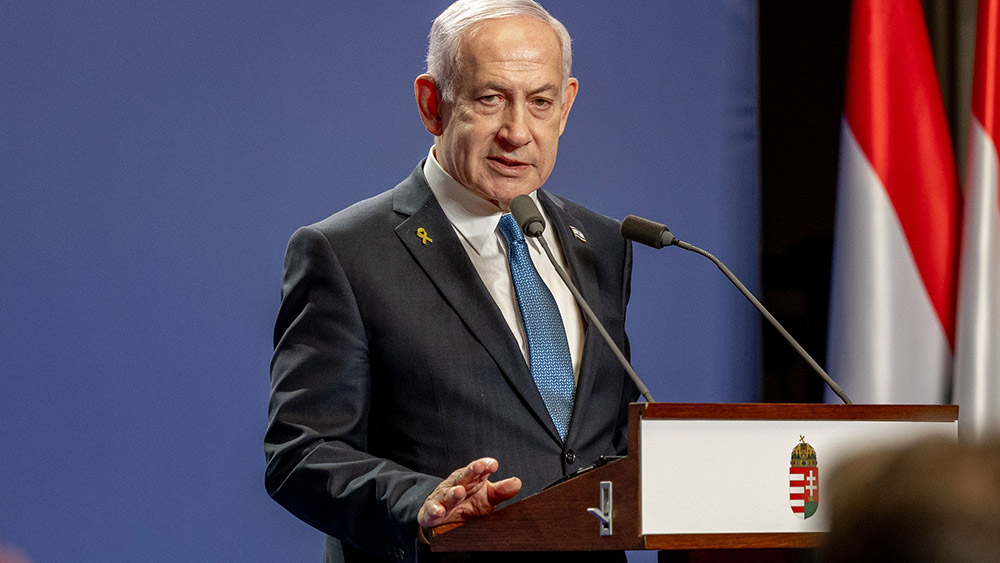
- The relationship between the U.S. and Israel has reached a breaking point over renewed Iran strikes.
- Trump warned Netanyahu that Israel could find itself fighting alone if it resumed full-scale war with Iran.
- Netanyahu faces mounting pressure from Israeli hardliners demanding a strong military response.
- Iran has linked a broader peace deal to a ceasefire in Lebanon, complicating Trump’s efforts.
- Trump demanded both nations stop shooting, but underlying tensions remain unresolved.
Trump's warning
Trump confirmed in a phone interview with Axios that he had warned Netanyahu that "if he went back to war with Iran, he might find himself fighting alone." The president had previously confirmed reports that he called Netanyahu "f**king crazy" during an earlier conversation about escalating attacks in Lebanon. BBC North America editor Sarah Smith reported that Trump told her by phone Monday that he urged the Israeli leader to "use common sense," adding that he was "very close to signing a very powerful deal" with Iran. According to Smith, Netanyahu told Trump that Israeli missiles "were already on the way" by the time they spoke. The Wall Street Journal reported that Trump had hoped to contain the flare-up to keep it from disrupting peace talks with Tehran, but his repeated attempts to halt Israel's retaliatory strikes underscore how sharply U.S. and Israeli priorities have diverged, particularly over Lebanon.Netanyahu trapped between Trump and Israeli hardliners
The political pressure on Netanyahu is mounting from all sides. Former Prime Minister Naftali Bennett, widely considered the top contender to succeed Netanyahu, wrote on X: "This is a moment of truth: Is Israel a sovereign state capable of defending itself. A weak or symbolic response will signal to our enemies that the blood of our citizens has been spilled with impunity." National Security Minister Itamar Ben-Gvir was more strident, writing simply: "Tonight Tehran must burn!" NBC News reported that Israeli military leaders openly complained that American restrictions had tied their hands in Lebanon. Gideon Rahat, a political science professor at the Hebrew University of Jerusalem, said Netanyahu was "trapped under the claim that he's serving U.S. interests and doing whatever Trump is telling him, and therefore he cannot respond."Iran links Lebanon to broader peace deal
Iran has successfully linked a broader peace agreement to a ceasefire in Lebanon, complicating Trump's efforts to wind down the war. The split between the U.S. and Israel has given Iran room to more aggressively defend its Lebanese ally, with Iran's chief negotiator Mohammad Bagher Ghalibaf declaring that the strikes in Lebanon and a naval blockade of Iranian ports made the U.S. and Israel legitimate targets. Israeli polls reflect growing war fatigue. Approval of the war's military achievements fell from 60% in March to just 27% last month, according to the Institute for National Security Studies. Still, analysts warn Netanyahu should not be counted out. As Rahat noted, "He can say in one sentence that Trump is limiting me and the other sentence is that there was never a war in which Israel and the United States fought together against anyone. He can play both things." Trump's goal of wrapping up an unpopular war that has driven up gasoline prices is colliding with the competing priorities of both Israel and Iran. "Israel and Iran must immediately stop 'shooting,'" Trump said Monday on social media. Both sides later said they had ended their attacks — but the underlying tensions remain. Sources for this article include: RT.com WSJ.com NBCNews.com
The Pine Tree Prescription: Reclaiming nature’s suppressed medicine
By Ramon Tomey // Share

Rights Groups Sound Alarm Over Military AI Use, Citing Gaza Genocide
By Chase Codewell // Share
Trump Says He Will Send Iran Deal to Congress for Review After Lawmakers Block It
By Garrison Vance // Share

Trump shifts focus back to Ukraine peace talks amid European concerns over sidelining
By Willow Tohi // Share

Finland sheds nuclear ban, raising escalation fears on Russia’s border
By Cassie B. // Share

Iran Envoy: U.S.-Iran Peace Deal a “Major Victory” for Tehran
By Edison Reed // Share

JD Vance Says U.S. Has "Decisively Won" Iran War in Some Ways as Midterms Near
By garrisonvance // Share

Trump Approval Rating Falls to Record Low; Republican Candidates Adjust Midterm Campaigns
By douglasharrington // Share

Lawmakers want an AI pause but can’t say what they’d actually pause
By isabelle // Share


The Chilean salmon advantage: A conservative case for nutrition and longevity
By avagrace // Share