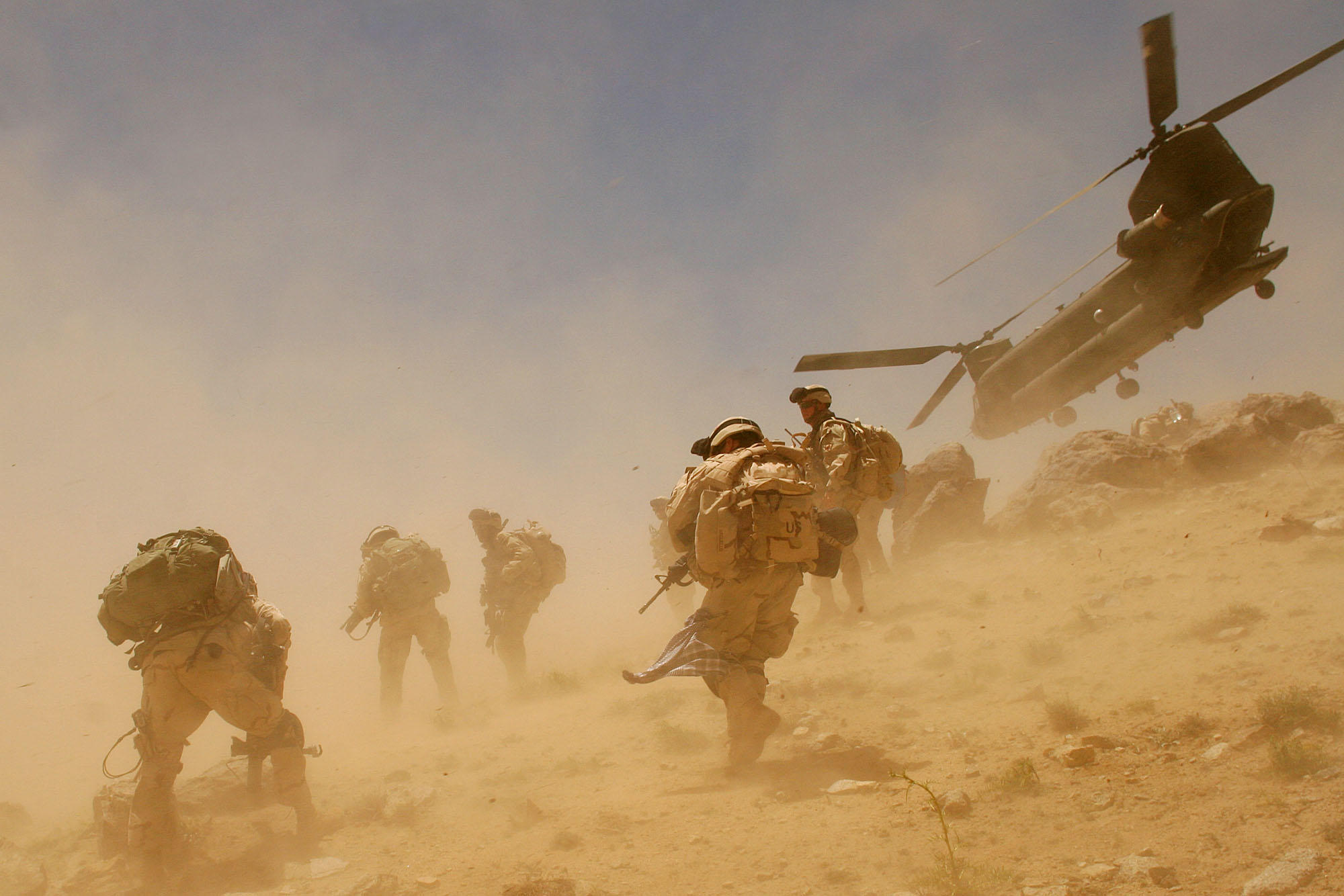
- A U.S. Army Apache helicopter crashed near the Strait of Hormuz on Monday at 7.33 p.m. ET.
- Two crew members were rescued within two hours by U.S. Naval Forces Central Command and the 82nd Airborne Division.
- CENTCOM has not confirmed whether the helicopter was shot down or suffered mechanical failure.
- This is the first downed Apache since U.S.-Iran hostilities began in February.
- Iran claims to have shot down 30 MQ-9 Reaper drones in the same period.
- The U.S. has lost 13 soldiers and 399 have been wounded in Operation Epic Fury since April.
- President Trump stated the pilots "are fine" and promised an incident report later Tuesday.
- The U.S. government continues to coverup mission failures, and officials are already being drowned out in fears of a forever war.
The invisible battlefield: Why the Strait of Hormuz matters more than headlines suggest
The Strait of Hormuz is not just a narrow waterway. It is the world's most critical energy choke-point, through which roughly one-fifth of global oil supplies transit daily. When President Trump agreed to send a naval fleet and deploy 10,000 troops to monitor Iranian activities, the strategic calculus was clear: create a situation where a single spark could justify a larger war. The attack on two tankers in recent weeks, followed by four ships struck by mines, fits a deliberate pattern of escalation that the mainstream press has framed as isolated incidents. The Apache helicopter crash must be understood within this context. CENTCOM has confirmed that Apaches, alongside MQ-9 Reaper drones, F/A-18 fighter jets, and F-35 stealth aircraft, have been used to counter Iran's closure of the Strait to most commercial traffic. But the New York Times report reveals a more aggressive posture: the Apaches have been pushing deeper into Iranian territory, not merely patrolling international waters. This is not defensive positioning. This is provocation by design. When President Trump decided against retaliating for Iran's June drone strike, the decision was framed as restraint. The reality is more troubling. Any counterattack on Iranian soil, military planners understood, could have led to catastrophic consequences for the U.S. Navy in the Strait. The potential loss of life would have been immense. This admission from anonymous officials reveals that the administration knew full well the risks of a wider war, yet continued the patrols, the flights, the naval deployments, all while insisting that Iran was the aggressor.The numbers game: Who is really winning this war of attrition?
Iran's claim of shooting down 30 MQ-9 Reaper drones since February is either propaganda or a stunning indictment of U.S. air superiority in the region. Each Reaper drone costs roughly $30 million. If Iran's numbers are accurate, the United States has lost nearly $1 billion in unmanned aircraft alone. The downing of a U.S. Air Force F-15 Eagle in April, followed by a harrowing manhunt for its pilot and navigator, further suggests that Iranian air defenses are far from "totally destroyed" as President Trump told NBC on Saturday. Trump's assertion that Iran's military retains only 21% of its missile capacity is contradicted by the reality on the ground. Iran has demonstrated the ability to strike Israeli territory and U.S. military facilities in the Middle East, as it did after the U.S.-Israeli strikes on Tehran on February 28. The ceasefire announced on April 7 and subsequent talks in Islamabad ended without a breakthrough. This is not a defeated adversary. This is a cornered one, willing to do whatever it takes to defend their homeland. The loss of 13 American soldiers in Operation Epic Fury and 399 wounded is a number that receives almost no media attention. Compare that to the frenzied coverage of a single helicopter crash where both crew members survived. The discrepancy reveals a media apparatus that prefers clean, palatable stories over the messy truth of a low-grade war that the American people never authorized. CENTCOM announced on Sunday that it shot down two Iranian drones threatening international maritime traffic in the Strait, adding that the U.S. military remains "postured and ready to continue defending against Iranian aggression." This language of defense masks the reality of offense. You do not need to deploy 10,000 troops and send attack helicopters into Iranian territory to defend. You need those assets to attack. The helicopter crash near the coast of Oman, with both crew members rescued by a U.S. Navy surface drone within two hours, will likely be filed as a mechanical failure in the official record. But the pattern is unmistakable. Four ships mined. Two tankers hit. Thirty drones downed. One F-15 lost. Three F-15s shot down by friendly fire in Kuwait. And now an Apache helicopter in the water. This is not a series of accidents. These are realities of war, a reality that the US government is trying to downplay and coverup. Sources include: SputnikGlobe.com JPost.com Time.com
The Pine Tree Prescription: Reclaiming nature’s suppressed medicine
By Ramon Tomey // Share

UFO whistleblowers expose government retaliation in secret war against disclosure
By Jacob Thomas // Share

Rights Groups Sound Alarm Over Military AI Use, Citing Gaza Genocide
By Chase Codewell // Share

Trump Says He Will Send Iran Deal to Congress for Review After Lawmakers Block It
By Garrison Vance // Share

Trump shifts focus back to Ukraine peace talks amid European concerns over sidelining
By Willow Tohi // Share

Finland sheds nuclear ban, raising escalation fears on Russia’s border
By Cassie B. // Share


FEMA Shifts Disaster Response Duties to States Under New Federal Plan
By douglasharrington // Share


Four surprising daily habits could help your brain bounce back from stress
By isabelle // Share

Small Trial Reports Berberine Supplement Altered Gut Bacteria Tied to Heart Health Markers
By cocosomers // Share

Millions of hack attempts follow PHP leak as governments unplug websites
By isabelle // Share