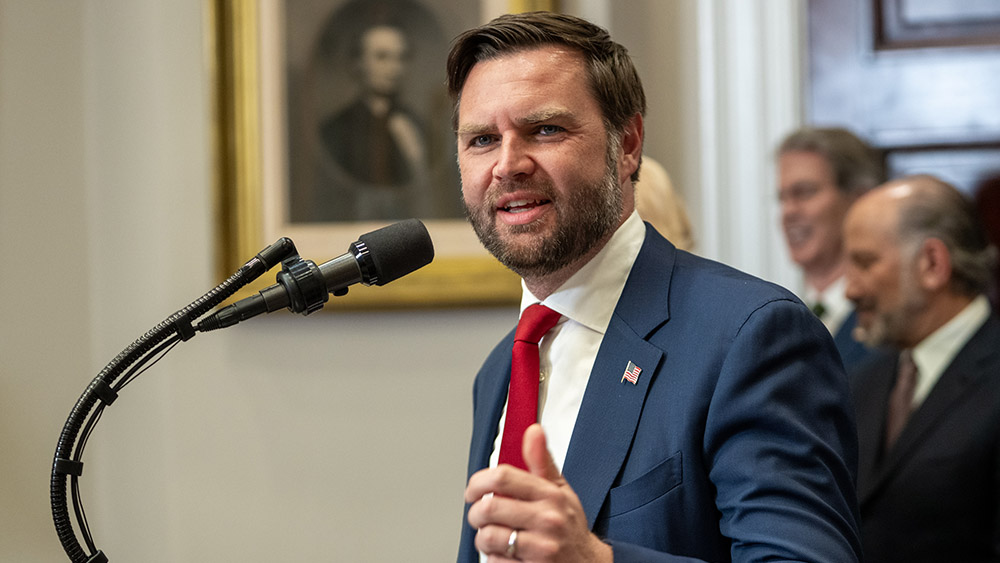
- Trump administration shifts strategy to pursue nuclear deal with Iran regardless of Israeli approval
- Vice President Vance confirms U.S. will prioritize national interest over Israeli objections in negotiations
- Trump predicts final deal could be reached within two to three days
- Conflict escalated with Iran missile strikes and U.S.-Israeli retaliation before both sides held fire
- White House seeks agreement with rigorous inspections, contrasting with 2015 Iran deal
A divide over war aims
Vance acknowledged that while the U.S. and Israel share many interests, there are situations where those interests diverge. "I think where the president has been very clear here is that while Israel obviously has some objectives that it has, the United States' main objective in Iran is to ensure that Iran does not have a nuclear weapon," Vance explained. The vice president contrasted the emerging deal with the 2015 agreement reached during the Obama administration, which Trump withdrew from in 2018. Vance argued the current accord would correct what he called the absence of a rigorous inspections framework in the previous deal — one he said failed to guarantee Iran could never build a nuclear weapon. "That is one of the big differences between what happened then and what the president of the United States would get to," Vance added. Trump publicly called on Israel not to respond to the Iranian missile attack Sunday night. Netanyahu reportedly called off a major strike on Iran after Trump warned that Israel would be alone in the battle if it proceeded. Asked whether Netanyahu defied him, Trump told the BBC: "No, no. That's not what happened."Iran appears ready to negotiate
According to Vance, the Iranians "don't want this war to continue, it's not in their best interest, and I think they are coming to the table and putting some things on the table." The conflict escalated significantly on February 28 when the U.S. and Israel launched coordinated strikes aimed at dismantling Iran's missile capabilities and nuclear infrastructure. Iran responded with strikes across the region and shut down the Strait of Hormuz to shipping, a waterway that handles roughly a fifth of global oil traffic in normal times. A temporary truce was reached April 8, but subsequent talks in Islamabad failed to produce a breakthrough. Vance called the potential agreement a "home run win for the American people." He acknowledged that trust cannot be the foundation of any deal, stating: "We're going to take the attitude of: 'Accomplish the president's mission, but verify over the long term that the Iranians are keeping their end of the bargain.'" The White House's position represents a strategic shift from earlier warnings of unconditional surrender directed at Tehran. Whether this diplomatic opening can overcome the entrenched hostilities remains uncertain, but the administration appears determined to pursue a negotiated settlement. War-weary Americans watching these developments unfold may find some reassurance in knowing their leaders are pursuing a path toward peace rather than permanent conflict. The coming days will reveal whether diplomacy can prevail where military action has only deepened the wounds. Sources for this article include: SputnikGlobe.com MiddleEastEye.net TimesOfIsrael.com AA.com.tr
Rights Groups Sound Alarm Over Military AI Use, Citing Gaza Genocide
By Chase Codewell // Share
Trump Says He Will Send Iran Deal to Congress for Review After Lawmakers Block It
By Garrison Vance // Share
Scientists sound alarm over DNA risks in AI-designed “universal” coronavirus vaccine
By Cassie B. // Share

Trump shifts focus back to Ukraine peace talks amid European concerns over sidelining
By Willow Tohi // Share

Finland sheds nuclear ban, raising escalation fears on Russia’s border
By Cassie B. // Share

Iran Envoy: U.S.-Iran Peace Deal a “Major Victory” for Tehran
By Edison Reed // Share

JD Vance Says U.S. Has "Decisively Won" Iran War in Some Ways as Midterms Near
By garrisonvance // Share

Trump Approval Rating Falls to Record Low; Republican Candidates Adjust Midterm Campaigns
By douglasharrington // Share

Lawmakers want an AI pause but can’t say what they’d actually pause
By isabelle // Share


The Chilean salmon advantage: A conservative case for nutrition and longevity
By avagrace // Share