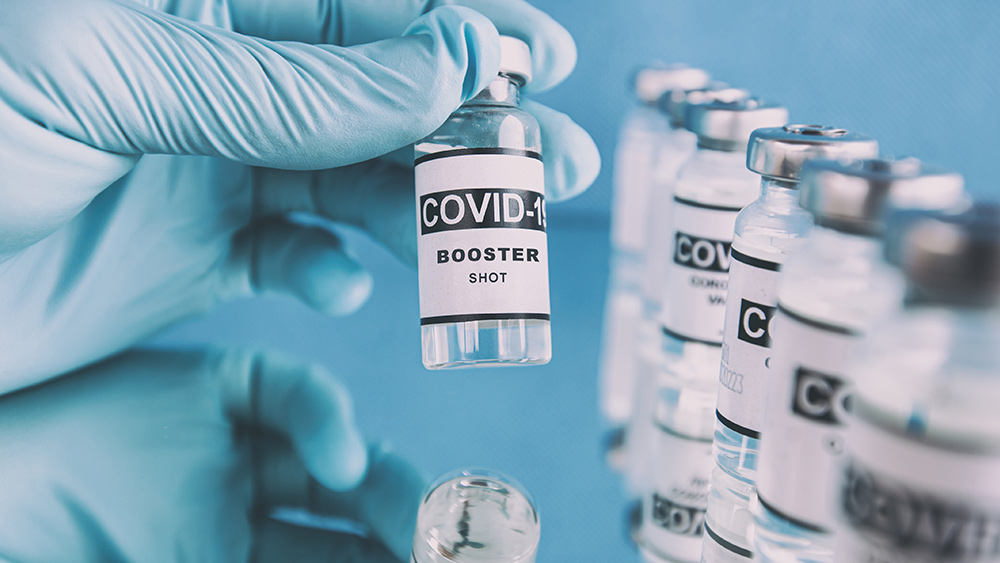
- Canadian MP Dean Allison launches citizen-led inquiry into vaccine injuries, urging transparency and recognition of adverse effects.
- UK and Canadian compensation schemes face criticism for high rejection rates and inadequate support for vaccine-injured individuals.
- Global reevaluation of pandemic policies reveals data withholding and corporate influence in regulatory decisions.
- Advocates demand systemic changes, including expanded compensation and honest risk communication from medical professionals.
- Inquiry aims to address gaps in documenting harm, with outcomes potentially reshaping post-pandemic vaccine safety standards.
A call for compassion
Dean Allison, a vocal critic of pandemic mandates, framed the inquiry as a moral imperative. "Canadians deserve transparency, Canadians deserve accountability, and above all, Canadians deserve to know their experiences matter," he stated at a press conference. The initiative, dubbed the "Allison Inquiry," invites testimony from patients, clinicians, and experts between September 8 and 11. Thousands of Canadians have reportedly reached out to his office, many expressing frustration with unresponsive support systems and a lack of recognition for their injuries. Allison's inquiry follows a 2023 National Citizens Inquiry, which found that vaccine mandates violated human rights laws and caused significant harm. However, critics argue these efforts fell short. Dr. Clare Craig, a UK diagnostic pathologist, noted that similar inquiries in the UK and elsewhere were "set up to ask the wrong questions," focusing on affirming vaccine efficacy rather than scrutinizing safety protocols. The UK inquiry's report, for example, acknowledged some injuries but claimed existing systems adequately monitored safety — a stance challenged by advocates like Caroline Pover, whose book Fallout from the Rollout documents 238 rejected case studies.Systemic failures and compensation gaps
The UK's Vaccine Damage Payment Scheme, which compensates those harmed by vaccines, has faced scrutiny for its high rejection rates and bureaucratic hurdles. Pover, who suffered injuries after a single AstraZeneca dose, described feeling abandoned: "I wasn't given any kind of pathways. I wasn't given any support. There was just nothing available." In Canada, the Vaccine Impact Assistance Program (VIAP), a rebranded version of the Vaccine Injury Support Program, has similarly struggled. The Public Health Agency of Canada (PHAC) acknowledged at least 58,000 adverse events linked to mRNA vaccines but admitted its data remains incomplete. While Canada's inquiry is citizen-led, the U.S. has taken a different route. Senator Ron Johnson's Senate hearings have scrutinized suppressed research on vaccine-cancer links and regulatory failures. Dr. Angus Dalgleish, a UK oncology expert, praised these efforts as "truly refreshing" but noted their limitations in the face of Big Pharma's influence. Wayne Rohde, an expert in vaccine injury compensation, warned that U.S. inquiries may lack independence due to corporate lobbying. The Allison Inquiry joins a global trend of reevaluating pandemic policies. In the UK, Dr. Dalgleish alleged that the country's drug regulator sat on 48,000 warnings about vaccine injuries. Meanwhile, the Canadian federal government has been reported to have withheld critical death data from public reporting, citing privacy concerns. These gaps fuel skepticism about whether governments are prioritizing public trust over economic interests.Challenges in documenting harm
For many, the inquiry represents a long-overdue opportunity to be heard. Brianne Dressen, a co-founder of React19 and a clinical trial participant injured by AstraZeneca's vaccine, exemplifies the struggle of those seeking recognition. Pover's advocacy highlights the complexity of vaccine injuries, which often involve conditions like myocarditis or blood clots. Without robust data collection and independent oversight, these cases risk being dismissed as statistical noise. Advocates like Pover are pushing for systemic changes, including expanded compensation programs and clearer diagnostic guidelines for vaccine injuries. "All pharmaceutical products carry risk," she argued, "and we want the medical professionals to speak openly about that risk." The Allison Inquiry could serve as a blueprint for balancing public health mandates with individual rights, but its success hinges on transparency and willingness to confront uncomfortable truths. As Canada prepares to host live hearings, the inquiry's outcomes could reshape how nations address vaccine safety in the post-pandemic era. With global debates intensifying over accountability and data integrity, the stakes extend beyond individual cases to the very foundations of public trust in science and governance. Sources for this article include: ChildrensHealthDefense.org TrialSiteNews.com 610CKTB.com LifeSiteNews.com
World’s First Fusion Energy Plant Receives Regulatory Approval in Washington State
By Iva Greene // Share

FBI Warns: Crypto Scammers Use Couriers to Collect Cash, Evade Bank Detection
By Sterling Ashworth // Share

Iran Integrates Lebanon Into Its Deterrence Doctrine, Officials and Sources Say
By Garrison Vance // Share

Senator Wicker Criticizes Trump’s Memorandum of Understanding with Iran
By Garrison Vance // Share

Dubai property sales drop 19% in May after Middle East war, data shows
By Garrison Vance // Share

U.S., Iran Sign Islamabad MoU to End Hostilities, Reopen Strait of Hormuz
By Garrison Vance // Share


Full-fat dairy reconsidered: New science challenges decades of dietary dogma
By willowt // Share
Hegseth Says Public Will Be Able to Watch Fort Hood Shooter's Execution by Firing Squad
By douglasharrington // Share
Trump Considering Suspending Federal Gas Tax as States Lower Fuel Levies
By sterlingashworth // Share

South Korea Ambassador to Kyiv Recalled Over Prisoner Transfer Dispute
By garrisonvance // Share

DHS Proposes $70,000 Fee for Foreign Students in Optional Practical Training
By douglasharrington // Share