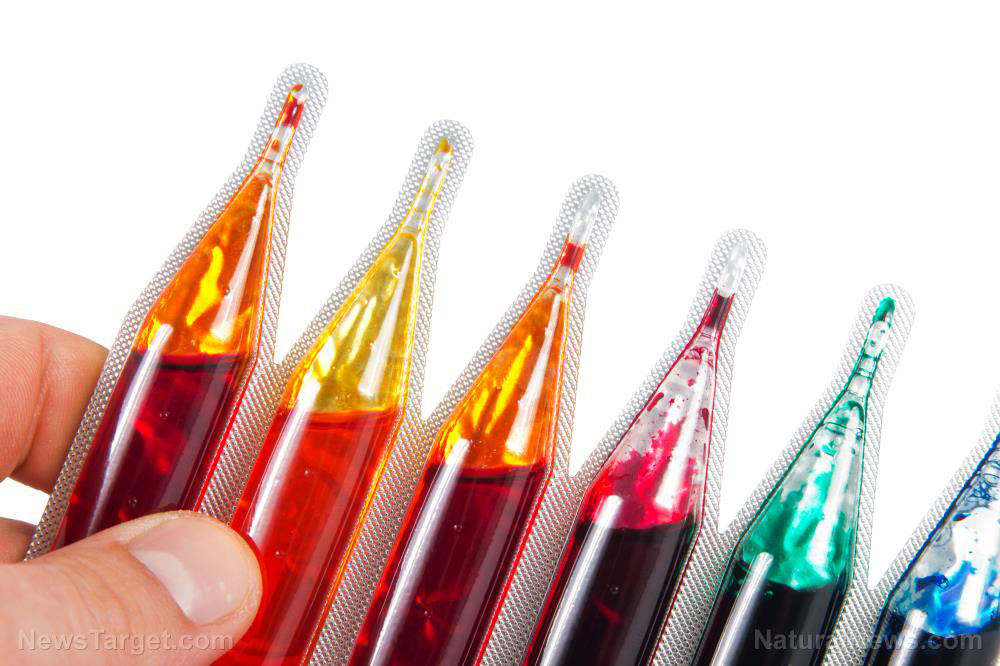
- Nearly 20% of U.S. packaged foods and beverages contain synthetic dyes, rising to 28% in children's products
- HHS Secretary Robert F. Kennedy Jr. and the FDA announced a voluntary phase-out of six synthetic dyes by end of 2026
- Major companies including Ferrero, Coca-Cola and Keurig Dr Pepper have not publicly committed to removal
- Multiple states including California, Texas and West Virginia have enacted their own restrictions on synthetic dyes
- Researchers report evidence linking synthetic dyes to behavioral problems including hyperactivity and inattention in children
The promise and the problem
In April 2025, U.S. Health Secretary Robert F. Kennedy Jr. and the Food and Drug Administration announced a plan to phase out six petroleum-based synthetic dyes from the nation's food supply by the end of 2026. The initiative, part of the "Make America Healthy Again" campaign, targeted Red No. 40, Yellow Nos. 5 and 6, Blue Nos. 1 and 2, and Green No. 3 — all still legally approved by the FDA. More than a year later, the effort has produced mixed results. While some manufacturers have pledged reformulations, several of the largest food companies have not publicly committed to eliminating the additives, raising questions about whether voluntary industry cooperation can succeed where regulatory mandates might be needed. The stakes are considerable. A study published in the Journal of the Academy of Nutrition and Dietetics found that 19% of packaged foods and beverages sold in U.S. grocery stores still contain synthetic dyes. Among categories heavily marketed to children — including breakfast cereals, confectionery and soft drinks — that figure rises to 28%.Industry resistance and historical precedent
The voluntary nature of the federal initiative has drawn criticism from food policy experts who point to previous corporate commitments that failed to materialize fully. Mars announced plans in 2016 to remove artificial colors from its food portfolio within five years, a goal critics say was not fully achieved in the United States. Current analysis by the Center for Science in the Public Interest shows that Ferrero, Coca-Cola Company and Keurig Dr Pepper have not publicly announced comprehensive commitments to eliminate synthetic dyes from their U.S. product lines. Ferrero leads all confectionery companies with 60% of its products containing synthetic dyes, followed by Mars at 52%. "Voluntary phase-outs are only as strong as the companies willing to honor them," said Darin Detwiler, a food policy expert at Northeastern University. "If major brands opt out, then what we have is not a phase-out. It is a public relations exercise with no enforceable finish line."What the science shows
The health concerns driving the initiative rest on a growing body of research. A 2022 review by California's Office of Environmental Health Hazard Assessment examined 27 clinical studies and found that 16 of 25 human challenge studies showed evidence of adverse behavioral effects, including hyperactivity, inattentiveness and restlessness. A separate 2024 review published in the International Journal of Environmental Research and Public Health linked artificial food colorings to attention-deficit/hyperactivity disorder and behavioral problems, as well as possible allergic, gastrointestinal and respiratory effects. Not all researchers agree on the extent of the risks. Jamie Alan, an associate professor at Michigan State University, questioned whether removing artificial food dyes would change health outcomes for diabetes, obesity or ADHD, arguing instead for expanding access to nutritious food through programs like WIC and SNAP.State-level action outpaces Washington
As federal efforts rely on voluntary compliance, state governments have moved more aggressively. California has enacted limits on several synthetic dyes in foods served in public schools. West Virginia passed legislation banning seven widely used food dyes. Texas will require warning labels on products containing synthetic dyes beginning in 2027. The patchwork of state regulations has created pressure on manufacturers who may face different requirements across markets. Some researchers believe public awareness, market pressure and state-level regulations could drive broader industry reform, even without federal enforcement. "The real question is whether companies will wait for 50 different state approaches, lawsuits, investigations and consumer backlash, or whether they will lead," Detwiler said. "These dyes add color, not nutrition."What comes next
The FDA has authorized four new natural color additives and is fast-tracking review of alternatives including Galdieria extract blue, butterfly pea flower extract and gardenia blue. The agency reports that manufacturers are actively reformulating products and establishing timelines for transitioning to naturally derived alternatives. Yet meaningful change may take time. Lorne Hofseth, a professor at the University of South Carolina, said future nationwide restrictions may depend on additional scientific evidence meeting the standards of the Delaney Clause, a federal provision that prohibits approval of food additives shown to cause cancer. Absent formal rulemaking or legislation, federal regulators currently have limited authority to compel compliance. As Marion Nestle, professor emerita of nutrition at New York University, summarized the situation: "It's all up to you."The bottom line
The campaign to remove synthetic dyes from the American food supply has achieved significant momentum at the federal and state levels, and some major manufacturers including General Mills and Kraft Heinz have pledged reformulation. But without enforceable requirements, the success of the initiative depends on corporate cooperation, consumer awareness and continued scientific scrutiny. For parents and health-conscious consumers, researchers recommend checking ingredient labels for synthetic dyes and high levels of added sugar — products containing either, they advise, are best left on the shelf. Sources for this article include: ChildrensHealthDefense.org FDA.gov GeorgiaInstitute.org
U.S., Iran Sign Islamabad MoU to End Hostilities, Reopen Strait of Hormuz
By Garrison Vance // Share

G7 Leaders Announce Licensed Production of Long-Range Missiles in Ukraine
By Chase Codewell // Share
Doctor’s COVID-19 Study Retracted Amid Questions Over Pharma Investor Ties
By Morgan S. Verity // Share


Study links PFAS “forever chemicals” to higher multiple sclerosis risk in women
By Willow Tohi // Share

Vitamin D Deficiency Linked to Reduced Weight Loss, Study Suggests
By Coco Somers // Share

JD Vance Says U.S. Has "Decisively Won" Iran War in Some Ways as Midterms Near
By garrisonvance // Share

Trump Approval Rating Falls to Record Low; Republican Candidates Adjust Midterm Campaigns
By douglasharrington // Share

Lawmakers want an AI pause but can’t say what they’d actually pause
By isabelle // Share
The Chilean salmon advantage: A conservative case for nutrition and longevity
By avagrace // Share