Energy's Dominant Role in the CPI Increase
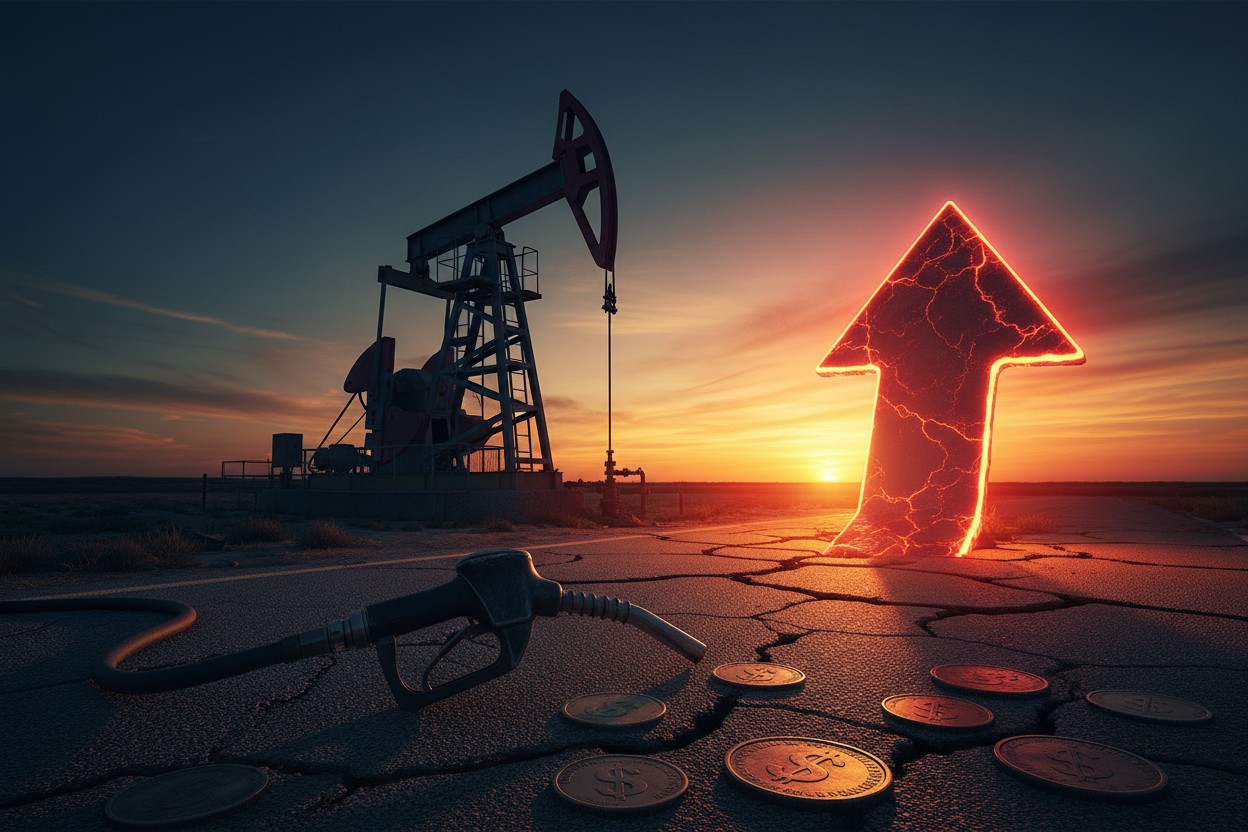
The BLS reported that energy was the largest contributor to the May inflation reading. Crude oil prices have traded near $90 per barrel following the outbreak of hostilities, pushing up costs for gasoline, heating oil, and other petroleum products. Gasoline prices have been volatile; the national average peaked at $4.564 per gallon in late May before falling for eight consecutive days through May 29, according to AAA data reported by NTD. [10] Core CPI, which excludes food and energy, rose 0.2% monthly and 2.9% annually, indicating that inflation pressures outside energy remain contained. Food prices increased 0.2%, while shelter costs rose 0.3%. Core commodities prices declined 0.1%. Analysts at Rabobank noted that the closure of the Strait of Hormuz is contributing to a global stagflationary shock, with inflation indicators across advanced economies showing a clear upward trend. [13]Implications for Federal Reserve Policy
The inflation data presents a challenge for the Federal Reserve ahead of its next meeting. Markets expect interest rates to remain unchanged, but the sustained energy-driven price increases complicate the central bank’s dual mandate of price stability and maximum employment. Minneapolis Fed President Neel Kashkari said in May that the Iran war limits the central bank’s ability to provide rate guidance and that it may need to raise rates to contain rising prices, according to a report by NaturalNews.com. [14] Several Federal Open Market Committee participants have staked out a more hawkish position, according to Rabobank analysts, who noted that committee members want to drop the easing bias and adopt a more neutral stance. The strong labor market, with robust job growth reported in May, has also fueled expectations of a potential rate hike by year-end, according to economists surveyed by Reuters and reported by NaturalNews.com. [9] [12] A study cited in the Trends Journal found that interest rate hikes have long-run effects on productivity and capital stock, complicating the Fed’s ability to manage inflation without slowing economic activity. [5]Boston Fed Research on Oil Shock Impact
A recent study from the Federal Reserve Bank of Boston estimated that the current oil shock, driven by the war with Iran, could add about 1.5 percentage points to inflation over the coming year, according to a NaturalNews.com report on the research. This compares to an estimated 2.2-point increase during the 1970s oil crises. The study found that the employment effect of oil shocks has declined to near zero today, from a reduction of about 1.8 percentage points in the 1970s. [11] Unlike the 1970s, the United States is less vulnerable to recessionary effects due to its status as a major oil producer and exporter, the researchers concluded. Modern oil shocks increasingly show up in consumer prices rather than employment losses, a pattern evident in the May CPI report, which showed energy accounting for the bulk of the monthly increase while core inflation remained subdued. [11] [6]Conclusion: Outlook and Persistent Risks
Crude oil continues to trade near $90 per barrel, and analysts fear consumer prices could remain elevated through the second half of 2026, according to reports. The Iran conflict has no immediate resolution in sight, and the economic impact extends beyond energy to broader supply chain disruptions, food prices, and financial shocks, as noted by economist Dan Steinbock in an article for Antiwar.com. [8] The Trends Journal has highlighted concerns that the CPI calculation is adjusted over time, potentially understating actual price increases. [4] The same publication has warned of "dragflation" — declining economic growth with rising inflation — as a global risk. [3] Some financial experts have also argued that the government’s methodology changes hide the true rate of inflation. Financial expert Rebecca Walser stated in an interview that "this will be the first calculation where the year-over-year index level is set to just a one-year" change, according to a NaturalNews.com article. [2] Future inflation readings will depend on energy market developments and the Federal Reserve’s policy response, as officials weigh the risk of sustained price increases.References
- Belle Carter. "Iran Conflict Threatens Global Supply Chains as Strait of Hormuz Disruptions Mount". NaturalNews.com. March 08, 2026.
- NaturalNews.com. "Federal government hides true rate of inflation by changing how CPI is calculated". NaturalNews.com. February 16, 2023.
- "Trends-Journal-2024-03-11".
- "Trends-Journal-2022-12-36".
- "Trends-Journal-2023-09-34".
- "US Inflation Surges to Highest Level Since April 2023". NTD. June 10, 2026.
- "Americans' Real Wages Are Shrinking As CPI Tops 4% For First Time In 3 Years". Zero Hedge. June 10, 2026.
- Dan Steinbock. "An Unwarranted War, a Global Economic Drag". Antiwar.com. June 11, 2026.
- "Rabo On Regime-Change At The Fed: What Warsh Can (And Should) Do First". Zero Hedge. June 3, 2026.
- "US Gas Prices Fall for 8 Straight Days". NTD. May 29, 2026.
- "U.S. Oil Shocks Have Muted Impact on Employment, Fed Study Finds". NaturalNews.com. June 7, 2026.
- "Strong U.S. Jobs Report Fuels Expectations of Federal Reserve Rate Hike by Year-End". NaturalNews.com. June 8, 2026.
- Peter de Groot. "The Building Blocks Of A Global Stagflationary Shock Are Falling Into Place". Zero Hedge. May 20, 2026.
- "Fed Official: Iran War Limits Central Bank’s Ability to Provide Rate Guidance". NaturalNews.com. May 5, 2026.

Terrestrial Energy Secures Texas Site for Molten Salt Reactor Testing
By Edison Reed // Share

Iran Waives Strait of Hormuz Transit Fees for 60 Days as Traffic Rebounds After U.S. MoU
By Douglas Harrington // Share

Subcontractors Claim Millions Owed as Obama Presidential Center Opens
By Douglas Harrington // Share

ASEAN Offers Regional Integration Model Without EU-Style Bureaucracy, Experts Say
By Garrison Vance // Share

Israel is spying on millions of Christian Americans in their churches and campuses
By Patrick Lewis // Share
By Lance D Johnson // Share

FEMA Shifts Disaster Response Duties to States Under New Federal Plan
By douglasharrington // Share


Four surprising daily habits could help your brain bounce back from stress
By isabelle // Share

Small Trial Reports Berberine Supplement Altered Gut Bacteria Tied to Heart Health Markers
By cocosomers // Share

Millions of hack attempts follow PHP leak as governments unplug websites
By isabelle // Share