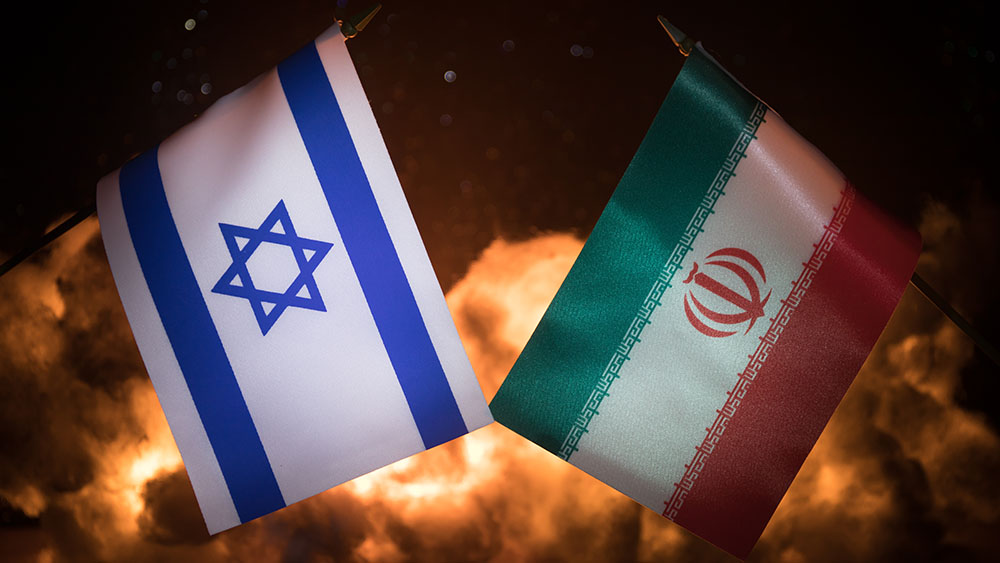
- Iran’s parliament speaker warns diplomacy with the U.S. is meaningless if Israel faces no constraints.
- An Israeli airstrike on Beirut killed three people, heightening regional tensions.
- Tehran demands a full ceasefire in Lebanon and an end to Israeli operations as conditions for any deal.
- Trump called Netanyahu "a very difficult guy" and said Israel owes gratitude to American diplomacy.
- A U.S.-Iran agreement expected Friday in Geneva faces collapse over unmet demands and fresh hostilities.
Diplomacy on a knife’s edge
In a statement carried by Iranian state media, Ghalibaf said, “The Zionists' aggression against the southern suburb once again demonstrated that the US either lacks the will to uphold its commitments or lacks the ability to do so.” The parliament speaker dismissed the American negotiating posture as a worn-out tactic. “You cannot gain concessions by giving the regime a green light. The 'good cop, bad cop' game has grown old. If you lack the will and the ability to fulfill your commitments, then there is no point in speaking about continuing down this path,” Ghalibaf added. Military officials reinforced the message. Brigadier General Mohammad Jafar Asadi, deputy commander of Iran’s Khatam al-Anbiya Central Headquarters, said the attack on Beirut “will not go unanswered.”Conditions for any agreement
Iranian lawmakers made clear what Tehran expects. Ebrahim Rezaei, spokesperson for the Iranian parliament’s Foreign Policy and National Security Committee, warned American negotiators directly: “If you seek an agreement or understanding, you must discipline the Zionist regime. If this rabid dog is not controlled, it will bite your leg before the ink is dry on the agreement.” The latest developments come amid intensive Pakistani mediation efforts to secure a Memorandum of Understanding between the United States and Iran. Among Tehran’s terms is a demand for a full ceasefire in Lebanon and an end to Israel’s broader military operations across the region. This is not the first time Israel’s actions have jeopardized diplomatic progress. Following an earlier Israeli attack on Beirut, Iran launched a ballistic missile strike on an Israeli air base and warned of harsher retaliation for any future attacks on the Lebanese capital. Meanwhile, President Donald Trump has not hidden his frustration with Israeli Prime Minister Benjamin Netanyahu. In a phone interview with The New York Times, Trump called Netanyahu “a very difficult guy” and argued Israel should be grateful for American diplomacy. “Because if Iran had a nuclear weapon, Israel wouldn’t be around for two hours,” Trump said. The agreement, expected to be signed Friday in Geneva, would reopen the Strait of Hormuz and lift the U.S. naval blockade of Iranian ports. But the road to that signing remains treacherous. As Luxembourg’s foreign minister Xavier Bettel noted with dry understatement: “It’s a long time till Friday.” Iran’s deputy foreign minister, Kazem Gharibabadi, has set clear conditions before entering 60 days of technical negotiations. These include lifting the naval blockade, ending military operations, and releasing billions in frozen Iranian funds. A U.S. official immediately rejected the financial demand, telling CNN: “This is completely not true. This is a pay for performance deal and no frozen funds will be released without the Iranians implementing their commitments.” The standoff reflects the immense stakes involved. With the Strait of Hormuz closed since early March, global energy markets have been in turmoil. Oil prices have surged, and European leaders from France, Germany, Italy and the United Kingdom have called for “urgent reopening” with unconditional freedom of navigation. Right now, Iran has its finger on the trigger, Israel shows no signs of halting its Lebanon campaign, and American officials scramble to salvage months of painstaking negotiations. Sources for this article include: TheCradle.co CNN.com APNews.com Axios.com
UAE Accelerates Acquisition of Indian BrahMos Supersonic Missiles
By Garrison Vance // Share

China’s massive war games: Experts warn of escalating military posture near Taiwan
By Jacob Thomas // Share

Five Eyes Warns: AI Cyber Attacks Could Cripple Governments “Within Months”
By Chase Codewell // Share

Study Links Early-Life Exposure to Plastic Chemical DEHP to Long-Term Anxiety in Rats
By Morgan S. Verity // Share
By Lance D Johnson // Share
Trump demands nuclear inspections “into infinity” as fragile Iran deal holds
By Willow Tohi // Share

Study: Late-Night Eating Linked to Higher Risk of Fatty Liver Disease and Cirrhosis
By cocosomers // Share

The sweet scent of health: Exploring the benefits of sweet orange essential oil
By lauraharris // Share

Cholesterol Test May Miss Inflammation-Linked Heart Risks, Study Finds
By chasecodewell // Share
JD Vance Says U.S. Has "Decisively Won" Iran War in Some Ways as Midterms Near
By garrisonvance // Share

Trump Approval Rating Falls to Record Low; Republican Candidates Adjust Midterm Campaigns
By douglasharrington // Share

Lawmakers want an AI pause but can’t say what they’d actually pause
By isabelle // Share