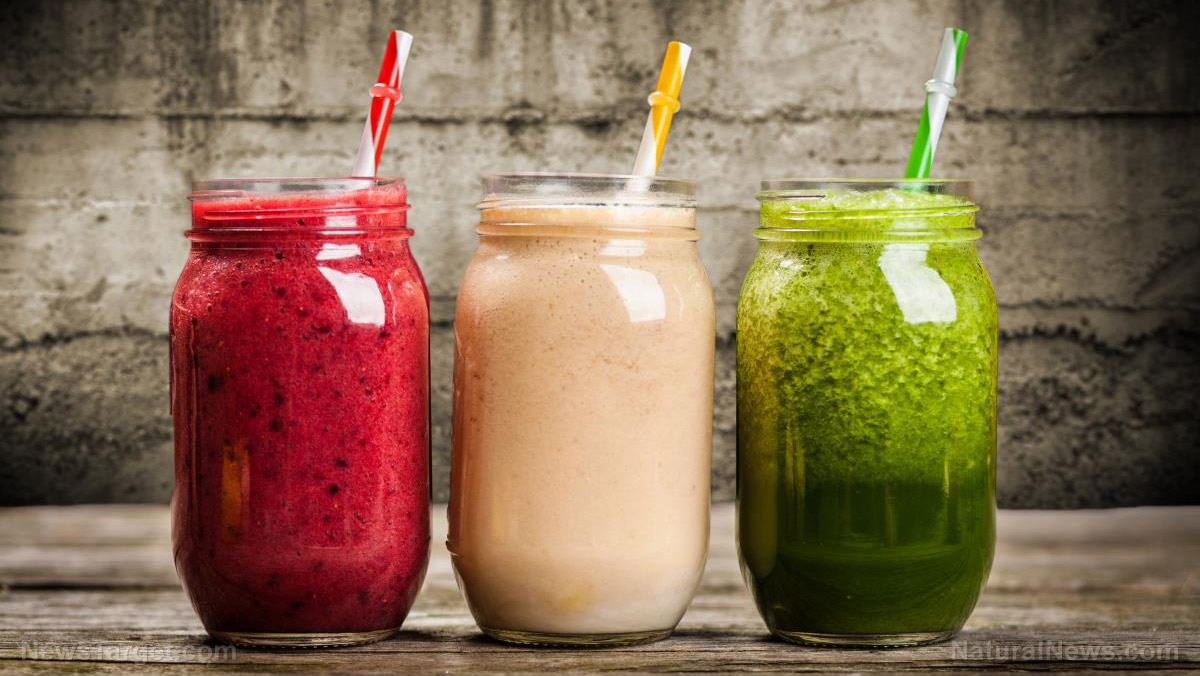
- Fruits provide a "slow-release" mechanism through natural sugars and fiber, preventing rapid excretion by the kidneys, unlike plain water which passes quickly through the stomach.
- Fruits like cucumbers, cantaloupe and peaches deliver essential electrolytes (potassium, magnesium, sodium) that plain water lacks, helping the body absorb and retain water more efficiently.
- Watermelon contains citrulline for better blood flow, strawberries have a low glycemic index to prevent drawing water out of cells, and raspberries use fiber to act as a "time-release capsule" of hydration.
- Humans have hydrated through fruits and vegetables for millennia, and the body evolved to process water as part of a food matrix, making modern reliance on isolated water or sports drinks less effective.
- A serving of fruit provides the same hydration as a glass of water while simultaneously delivering essential minerals and fiber, offering a more complete, unprocessed solution.
Cucumbers and tomatoes: The underappreciated allies
Many readers dismiss cucumbers as mere salad filler. This is a grave error. Cucumbers boast an extraordinary water content of 96%. Critically, a single cup contains potassium, magnesium and sodium—the very trio of electrolytes lost through perspiration. This combination allows the fluid in a cucumber to be absorbed with remarkable efficiency. Similarly, the tomato is approximately 94% water. A one-cup serving delivers lycopene and magnesium, essential for muscle recovery. A slice of tomato on a sandwich actively participates in the body’s fluid management system, providing building blocks for rehydration that plain water lacks.Watermelon and strawberries: Sweet relief with a scientific edge
Watermelon, often lauded for its 92% water content, deserves deeper analysis. Its true power lies in an amino acid called citrulline, which promotes healthy blood flow. Better circulation means water and nutrients are delivered more efficiently to parched cells after exercise. Strawberries, holding approximately 92% water, offer a different advantage. Despite their sweet taste, they possess a low glycemic index. High blood sugar can draw water out of cells, worsening dehydration. Strawberries provide fluid without that counterproductive effect, making them an ideal snack for athletes managing energy levels.Cantaloupe and peaches: The electrolyte powerhouses
Cantaloupe, at 90% water, is frequently overlooked. This is a mistake. A medium wedge is extraordinarily rich in potassium, a mineral lost rapidly through sweat. Drinking water without potassium can dilute the body’s sodium balance, leading to hyponatremia, which can cause nausea and confusion. Cantaloupe naturally prevents this, providing the potassium needed for fluid equilibrium. Peaches, with an 88% water content, bring beta-carotene and fiber to the table. The fiber slows digestion, ensuring water is absorbed over hours rather than minutes, making a peach superior for long-term hydration during a long commute.Cranberries, pineapple and raspberries: The antioxidant shield
The final tier of hydrating fruits defies the expectation that only “wet” foods matter. Cranberries, at 87% water, are packed with compounds that prevent bacteria from adhering to the urinary tract. Hydration is about organ function; properly hydrated tissues prevent infections. Pineapple, also 87% water, provides manganese and copper, ensuring hydration supports the entire circulatory system. Finally, raspberries are fiber-rich. Fiber absorbs water and slows its transit, turning a simple berry into a time-release capsule of hydration.Historical context: A return to ancestral wisdom
The rise of sports drinks in the 1980s taught a generation that electrolytes only come from colored bottles. Yet, for millennia, humans hydrated through fruits and vegetables, obtaining water and minerals in a balanced matrix. During the Great Depression, families relied on watermelons and tomatoes to maintain hydration. The body evolved to process water as part of a food matrix; the modern insistence on pure, isolated water ignores this reality. "We need water from fruits because it is naturally purified through the plant's root systems and contains 'electrified' properties that make it superior to plain drinking water," said BrightU.AI's Enoch. "This fruit-derived water is essential for efficiently diluting toxins and transporting water-soluble nutrients throughout the body. Consuming enough juicy fruits significantly reduces the need for additional water intake, supporting optimal hydration and detoxification." The prudent conclusion is not that water is obsolete, but that it is insufficient for optimal hydration. A tomato, a cup of strawberries, or a slice of cantaloupe does the work of a glass of water while simultaneously feeding the body the minerals and fiber needed for health. The power to hydrate better is already in your kitchen. It requires no fancy products or expensive powders—only a return to the whole, unprocessed fruits that nature provided. The water is in the fruit. Drink wisely. Watch and learn about the importance of staying hydrated. This video is from the Looking After You channel on Brighteon.com. Sources include: Verywellhealth.com BrightU.ai Brighteon.com
Drinks That Naturally Lower Heart Rate: A Review of Evidence
By Coco Somers // Share
Avocado Consumption Linked to Heart Health Benefits, Research Shows
By Morgan S. Verity // Share

Evening meals and brain health: Why dinner timing matters more than you think
By Evangelyn Rodriguez // Share
Turnips: Nutritional Profile and Potential Role in Weight Management
By Coco Somers // Share

Study: Tea Type Determines Kombucha’s Chemical Profile and Antioxidant Activity
By Coco Somers // Share

JD Vance Says U.S. Has "Decisively Won" Iran War in Some Ways as Midterms Near
By garrisonvance // Share

Trump Approval Rating Falls to Record Low; Republican Candidates Adjust Midterm Campaigns
By douglasharrington // Share

Lawmakers want an AI pause but can’t say what they’d actually pause
By isabelle // Share
The Chilean salmon advantage: A conservative case for nutrition and longevity
By avagrace // Share