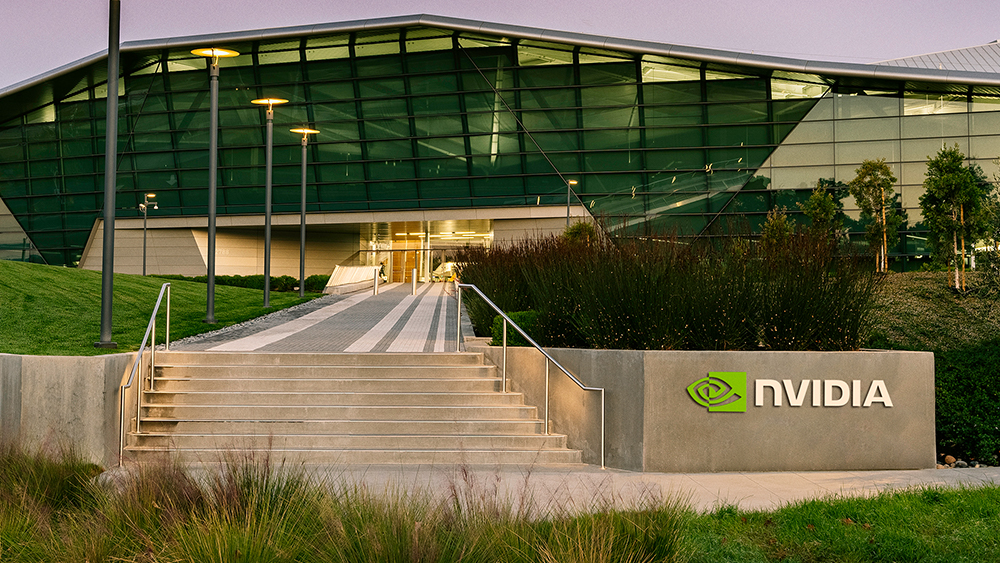
- The AI industry is accelerating its debt-driven expansion, with Nvidia raising $20 billion via bond sales and companies like Meta and Amazon investing heavily in AI infrastructure, signaling a pivotal shift in the sector's financial strategy.
- Analysts warn of unsustainable risks, including a 357% year-to-date surge in AI-linked debt to $236 billion in 2026, with projections of $570 billion by year-end, driven by costly data center builds and advanced GPU demands.
- Off-balance-sheet mechanisms like $1.8 trillion in hidden obligations (SPVs, leases) and circular financing (vendor deals, private credit) amplify systemic risks, as seen in Anthropic's $35 billion Broadcom deal and Alphabet's $85 billion equity raise.
- Critics compare the AI boom to the dot-com bubble, citing overvaluation, with Nvidia's stock up 51% but warnings from the IMF and Bank of England about potential collapse if interest rates rise or demand wanes.
- The sector's reliance on debt and speculative bets on artificial superintelligence raises existential questions about funding trillions in unfunded obligations, with analysts likening the current trajectory to a house of cards vulnerable to market shifts.
The debt-driven AI arms race
The AI sector's debt explosion is not just about on-balance-sheet borrowing. A report titled "The $1.8 Trillion Off-Balance Sheet Time Bomb at the Heart of the AI Supercycle" highlights the industry's reliance on special purpose vehicles (SPVs), long-term purchase commitments and lease arrangements to mask true funding costs. These off-balance-sheet mechanisms, such as $1 trillion in long-term purchase commitments and $800 billion in lease obligations, create a concentrated counterparty exposure that could propagate financial stress across the ecosystem. The math is daunting: Goldman Sachs estimates the AI infrastructure buildout could require $1.4 trillion in capital expenditures by 2027, with costs per gigawatt of data center construction doubling to $100 billion due to denser silicon like Nvidia's Rubin-class racks. "The window to fund this expansion is closing rapidly," one analyst notes, as hyperscalers race to secure infrastructure before interest rates or market sentiment shift. While investors remain eager, warnings loom. Hyperscalers' gross leverage has doubled in just two quarters, rising from 0.9x in late 2025 to 1.8x in early 2026, surpassing even the energy sector's leverage ratios. Credit spreads for companies like Meta (META) have widened to the A rating level, signaling investor caution. Morgan Stanley warns that the AI industry's $2 trillion in unfunded future obligations, backed by a handful of long-duration contracts, could destabilize if leverage unwinds or demand softens. The risks are compounded by the sector's circular financing. Vendor financing and repurchase agreements mean a single company's financial stress could cascade through interconnected balance sheets. For example, Anthropic recently secured $35 billion in private credit from Broadcom to avoid overreliance on public debt, while Alphabet raised $85 billion in equity—a rare move for a cash-rich tech giant.The bubble debate
Nvidia's bond sale has drawn mixed reactions. While the company's stock has surged 51% year-to-date amid its transformation into the oil of the AI age, critics argue the sector's valuations are unsustainable. As noted by BrightU.AI's Enoch, the International Monetary Fund and Bank of England have flagged potential overvaluation, comparing AI's boom to the dot-com bubble. However, bullish analysts like Cathie Wood insist the AI revolution is just beginning, citing Nvidia's $500 billion in AI chip orders and its $1 billion investment in 6G tech with Nokia as proof of enduring demand. For now, the bond market remains open. Nvidia's $20 billion raise, coupled with Meta's $30 billion debt issuance and Amazon's aggressive borrowing, suggests the AI buildout is in full swing. Yet the industry's dependence on debt raises existential questions. If interest rates rise or investor confidence falters, how will companies fund the trillions in unfunded obligations? As one analyst puts it: "The AI sector is building the future on a house of cards and the next wind could topple it. Until then, the race to dominate artificial superintelligence continues, with the next generation of economic winners and losers hinging on who can outspend their rivals in a debt-fueled sprint toward an uncertain future. Watch this video about NVIDIA warranty fraud and $9,000 GPU failure. This video is from the DecentralizeTV channel on Brighteon.com. Sources include: ZeroHedge.com Brighteon.com BrightU.ai
Michigan Data Center to Deploy Chinese Humanoid Robots; Residents File Noise Lawsuit
By Edison Reed // Share


Robots at the Ballot Box: Why A New Local Law Is a Dangerous Precedent
By Mike Adams // Share

Gold Declines Toward $4,000 as Tech-Led Selloff Hits Global Markets
By Sterling Ashworth // Share

Why Virology Is the Greatest Psyop of Our Time
By Mike Adams // Share

Bitcoin Network Activity Hits 2024 High, Driven by Low-Value Protocol Transactions: CryptoQuant
By Sterling Ashworth // Share

Study: Late-Night Eating Linked to Higher Risk of Fatty Liver Disease and Cirrhosis
By cocosomers // Share

The sweet scent of health: Exploring the benefits of sweet orange essential oil
By lauraharris // Share

Cholesterol Test May Miss Inflammation-Linked Heart Risks, Study Finds
By chasecodewell // Share

JD Vance Says U.S. Has "Decisively Won" Iran War in Some Ways as Midterms Near
By garrisonvance // Share

Trump Approval Rating Falls to Record Low; Republican Candidates Adjust Midterm Campaigns
By douglasharrington // Share

Lawmakers want an AI pause but can’t say what they’d actually pause
By isabelle // Share