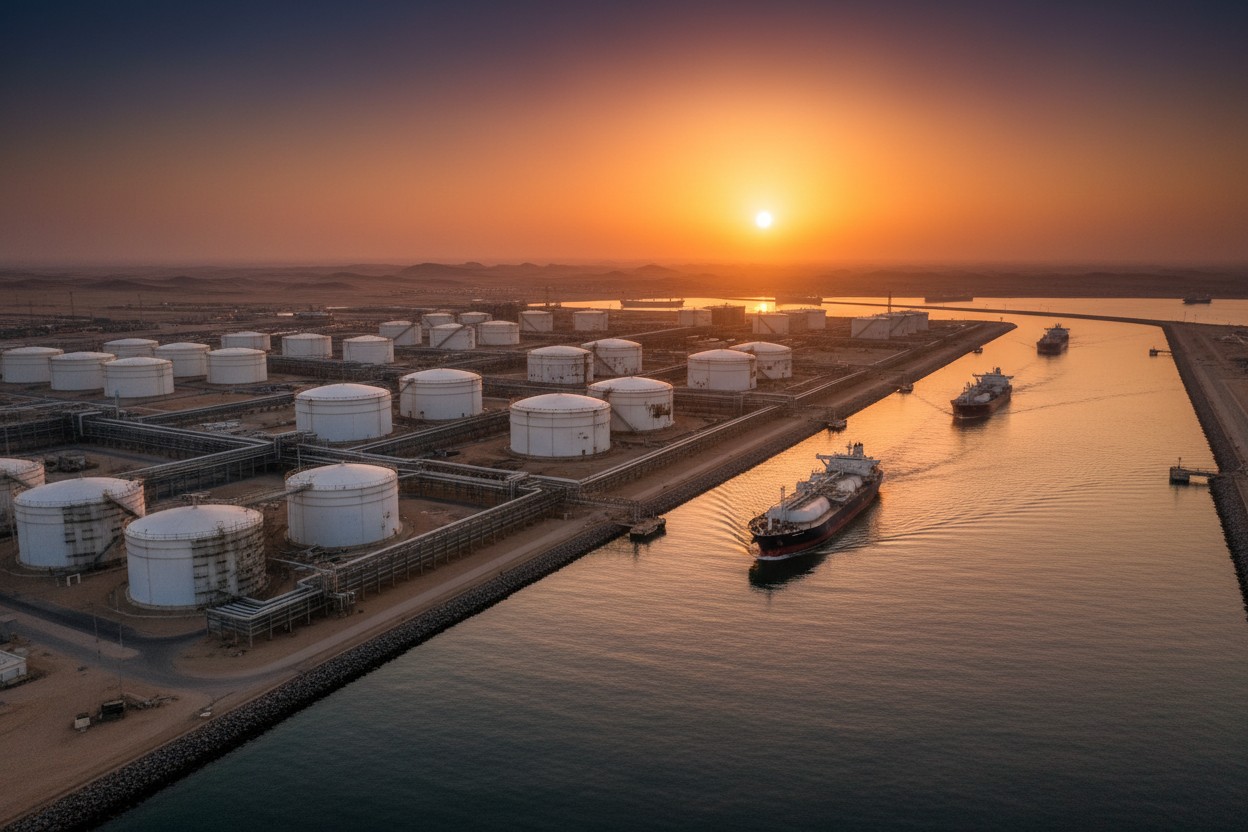
Damage and Long-Term Repair Timeline
The March missile strikes on Qatar's Ras Laffan Industrial City – the world's largest LNG export hub – wiped out 17% of operating capacity, QatarEnergy CEO Saad al-Kaabi told Reuters. [3][4] Al-Kaabi added that full repairs could take up to five years and cost around $26 billion. [1][3] The attack targeted critical infrastructure in the complex, which serves as the source of nearly all of Qatar's LNG production. [3] Beyond the initial 80% recovery, the remaining capacity requires extensive reconstruction. The company has declared force majeure on some long-term LNG supply contracts, affecting customers in Italy, Belgium, South Korea and China, and canceling as many as 90 cargoes through May. [5] Analysts have noted that the disruption to Qatar's output, combined with the closure of the Strait of Hormuz, removed roughly one-fifth of global LNG supply from the market, sending prices soaring in Asia and Europe. [3][6]Diplomatic Context and Strait Reopening
Iran and the United States are set to formally sign a memorandum of understanding (MOU) in Switzerland on Friday, June 19, aimed at ending hostilities in the region, according to officials. [7] U.S. President Donald Trump said on June 12 that the Strait of Hormuz would be "completely open" by June 14, allowing oil and LNG shipments to pass unimpeded. [1][8] The agreement includes a 60-day toll-free window for vessels, after which a permanent transit fee arrangement would be negotiated, according to Iranian outlet Fars. [8] Qatari Prime Minister Sheikh Mohammed bin Abdulrahman al-Thani expressed optimism that "the MOU will open navigation in Hormuz so that Qatar can continue supplying LNG," but also warned that major disagreements between the U.S. and Iran would not be resolved in "mere days." [9][1] European allies, including Italian Prime Minister Giorgia Meloni, expressed reservations that trade will resume by the end of the week, with Meloni linking her support to a cessation of Israel's attacks on Lebanon. [1] The diplomatic breakthrough comes after more than three months of conflict that began with U.S.-Israeli strikes on Iran in late February. [7][10]Qatar's Preparations and Global Implications
QatarEnergy has been operating several production trains at reduced capacity to deliver limited shipments to regional neighbors and prepare for a rapid output increase once the strait reopens, Bloomberg reported in April. [1] The company also requested that LNG vessels near the Ras Laffan port switch off their transponders as a safety measure during the height of the crisis. [11] Qatar supplies roughly 20% of the world's LNG, and the disruptions have affected markets in Asia and Europe, with no immediate replacement available. [1][6] In March, al-Thani – also serving as Qatar's foreign minister – called for an "immediate" end to the U.S.-Israeli war on Iran, becoming the only major Gulf energy producer to call for an unconditional halt to the conflict. [1] The rapid restart plan depends on both political stability in the Strait and logistical coordination for vessel movement, according to analysts. [1] A successful reopening would ease supply constraints that have driven European gas prices up 35% in a single day and pushed Brent crude above $118 per barrel. [12][13]Conclusion
Qatar's ability to restore 80% of LNG exports within two months hinges on the successful reopening of the Strait of Hormuz and swift logistics coordination. Full recovery of all capacity will take years and billions of dollars in repairs, according to company and industry statements. The situation remains closely tied to broader geopolitical developments between the U.S. and Iran, and the resilience of global energy markets will depend on whether the diplomatic agreement holds.References
- Fleur Hargreaves. "Qatar looks to rapidly restart LNG exports once Hormuz reopens: Report". Middle East Eye. June 16, 2026.
- "QatarEnergy Plans Rapid LNG Production Restart As Hormuz Reopens". ZeroHedge. June 16, 2026.
- Rayhan Uddin. "Ras Laffan: How Qatar gas hub attack is hitting Asia and beyond". Middle East Eye. March 19, 2026.
- Ramon Tomey. "Qatar confirms Iranian attacks have crippled Ras Laffan LNG facility". NaturalNews.com. March 20, 2026.
- "QatarEnergy Declares ForceMajeure For LNG Shipments Through May, Representing As Many As 90 Cargoes". ZeroHedge. March 27, 2026.
- Olah George A. "Beyond oil and gas the methanol economy".
- "Hormuz Fears Ease As Trump, Ghalibaf Virtually Sign US-Iran Deal, But Energy Flows Remain Months From Normal". ZeroHedge. June 16, 2026.
- "Iran Offers 60-Day Toll-Free Hormuz Transit As 100s Of Ships Await Reopening". ZeroHedge. June 15, 2026.
- "Qatar FM: hopeful about signing of Iran-US deal, warns disagreements will not be solved in 'mere days'". Middle East Eye. June 16, 2026.
- Patrick Lewis. "Global energy crisis deepens as Middle East conflict threatens oil and gas supplies". NaturalNews.com. March 22, 2026.
- Charles Kennedy. "Qatar Asks Vessels At Key LNG Port To Go Dark for Safety". ZeroHedge. May 13, 2026.
- "Global energy crisis: Brent crude touches $118, European gas prices surge another 35%". Remix News. March 19, 2026.
- Glenn Diesen. "Russias geoeconomic strategy for a Greater Eurasia".
Explainer Infographic


NSA Loses Access to Anthropic’s Mythos 5 AI Tool Amid U.S. Dispute
By Chase Codewell // Share

Oil Prices Near $70 a Barrel as Strait of Hormuz Evacuation Plan Raises Hopes for Normalized Flow
By Garrison Vance // Share

Study Confirms: Short “Exercise Snacks” Deliver Fitness Gains Without Long Workouts
By Coco Somers // Share
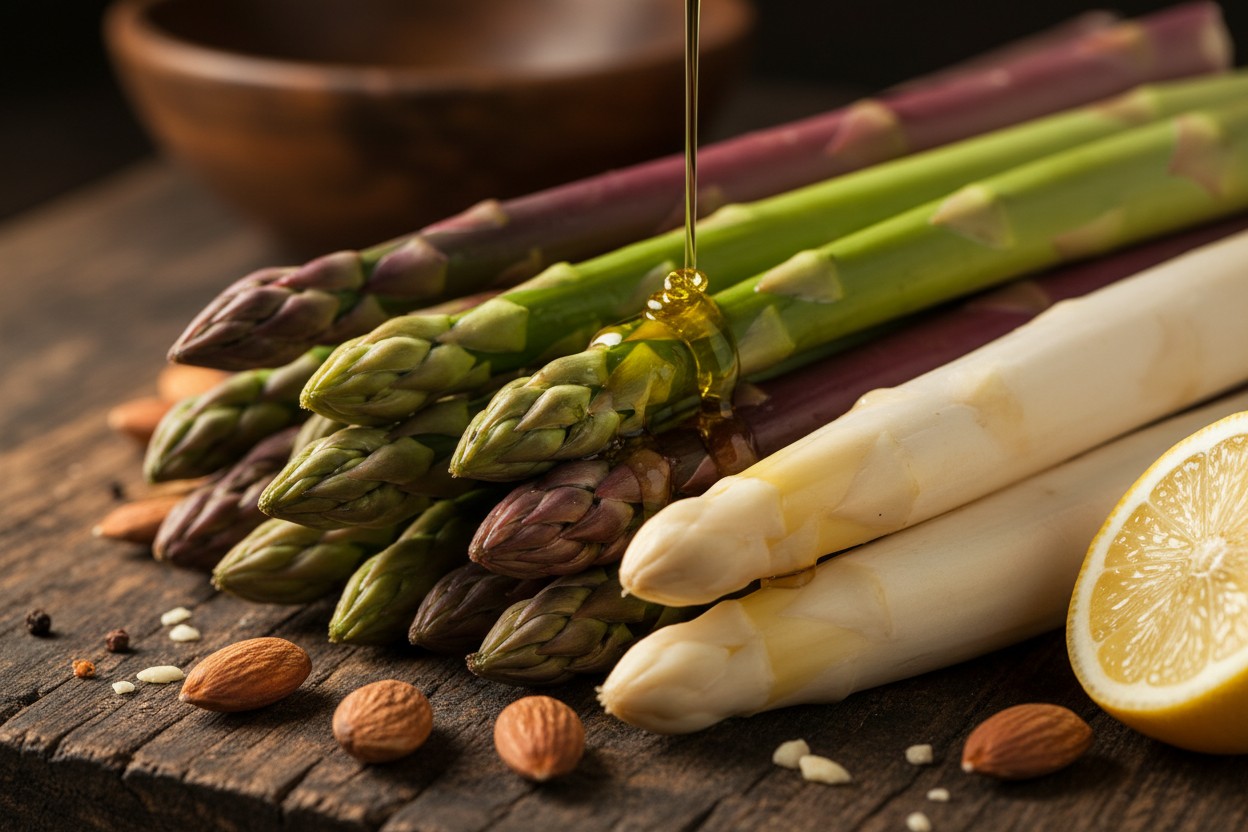
Asparagus: The Superfood with Proven Health Benefits That Mainstream Nutrition Overlooks
By Coco Somers // Share
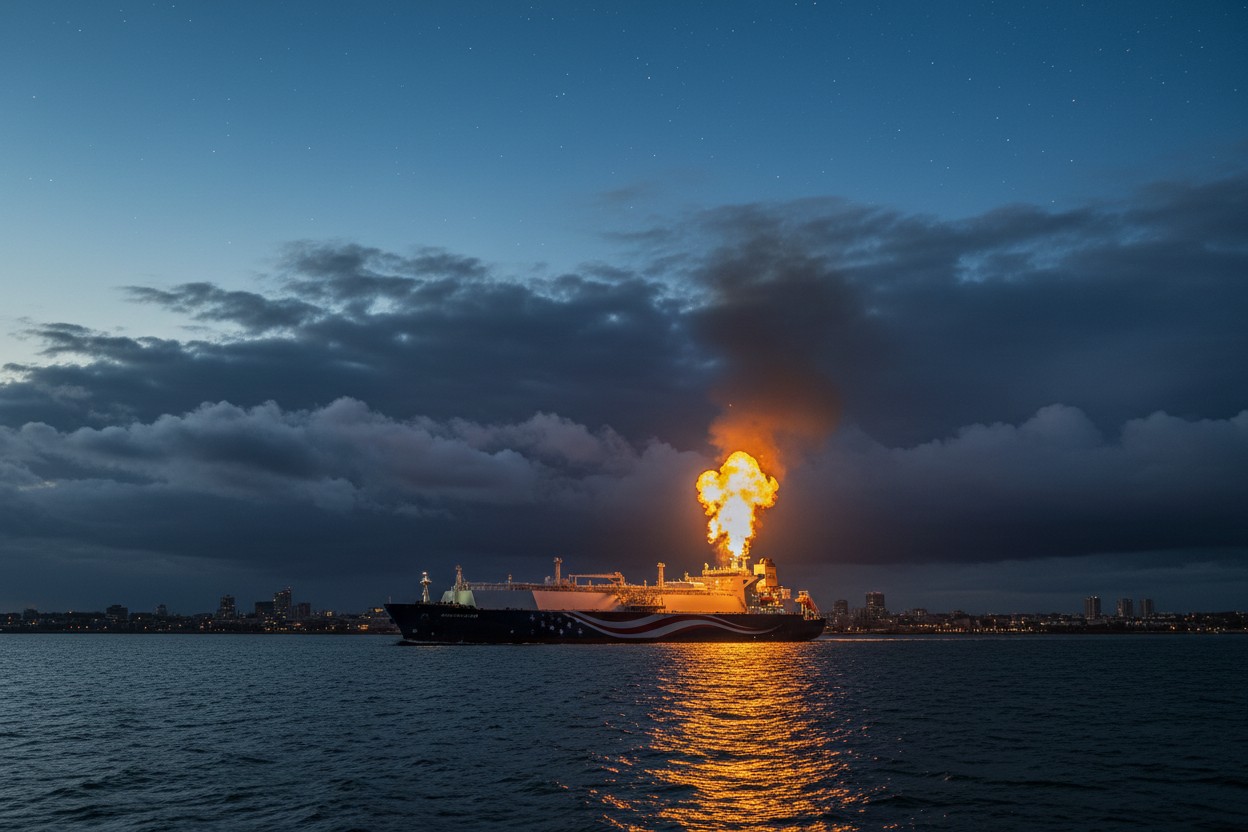
U.S. Warns EU of Potential LNG Supply Diversion Over Methane Rules
By Morgan S. Verity // Share
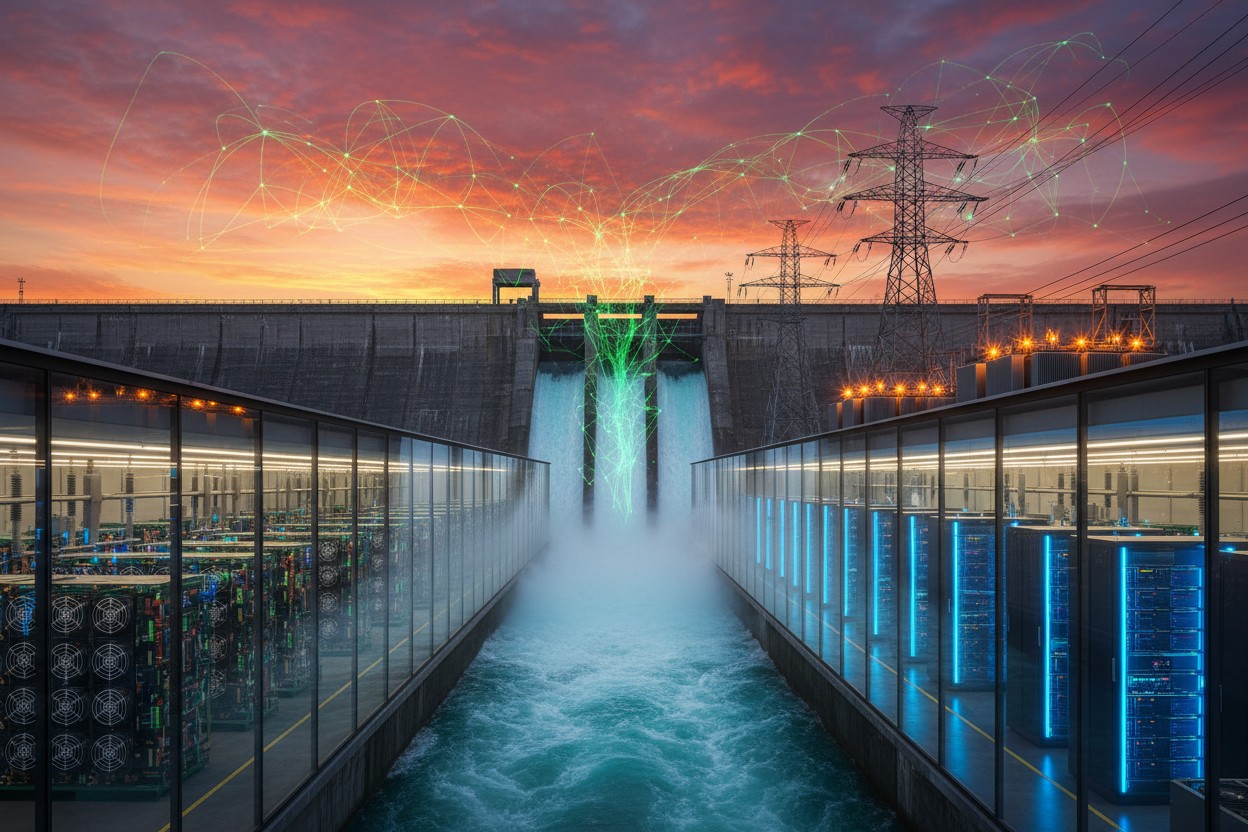
Bitcoin Miner Bitzero Signs $2.6 Billion AI Hosting Deal, Highlighting Power Infrastructure Shift
By Chase Codewell // Share

Review Finds Science-Backed Benefits of Tai Chi for Aging Adults
By chasecodewell // Share

FEMA Shifts Disaster Response Duties to States Under New Federal Plan
By douglasharrington // Share


Four surprising daily habits could help your brain bounce back from stress
By isabelle // Share

Small Trial Reports Berberine Supplement Altered Gut Bacteria Tied to Heart Health Markers
By cocosomers // Share