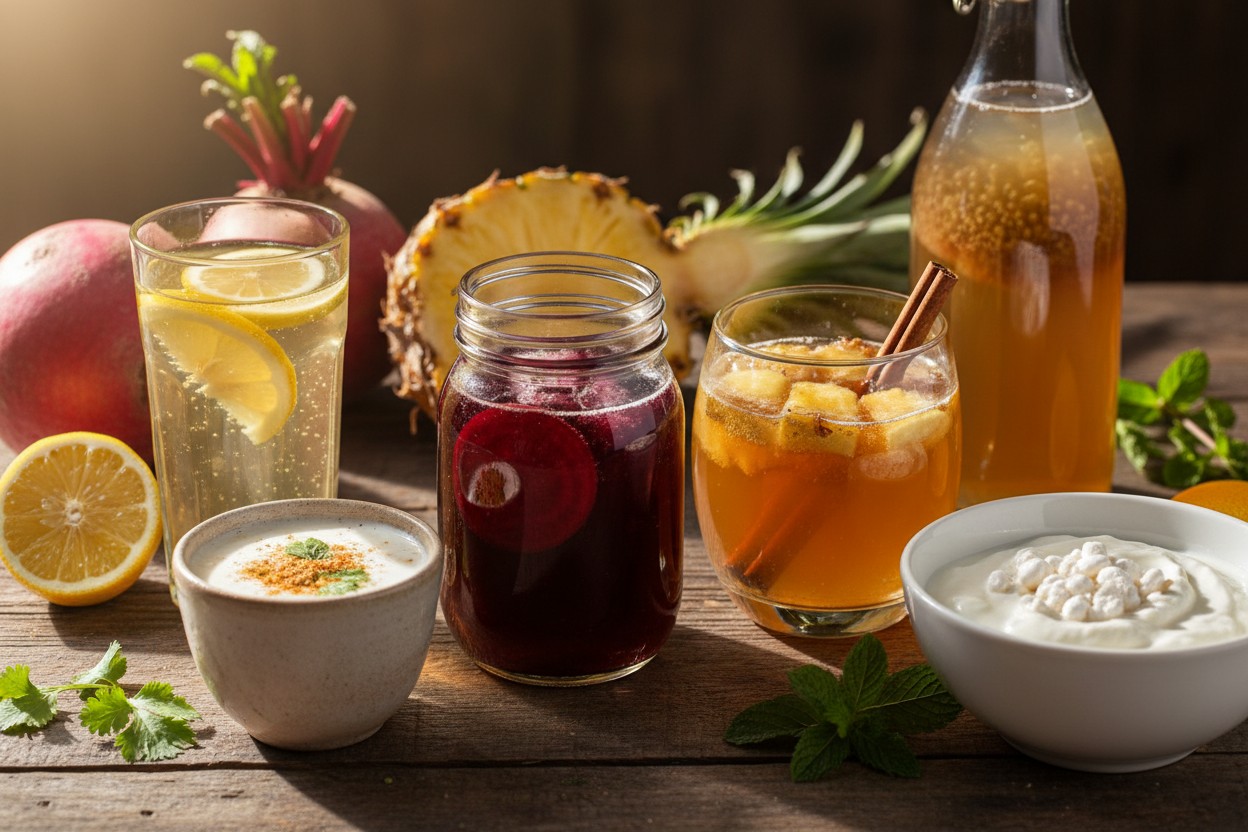
- Fermented beverages like milk kefir, water kefir, buttermilk and probiotic juices are gaining popularity as natural solutions for gut health, challenging the dominance of commercial probiotics.
- Water kefir offers a lactose-free, vegan-friendly probiotic boost made by fermenting sugar water, though commercial versions may add excessive sugar that dilutes probiotic potency.
- Buttermilk, in its traditional live-culture form, provides probiotics along with calcium, vitamin A, and protein to support bone and immune health.
- To ensure efficacy, consumers should look for labels specifying "live and active cultures" and check for at least 10⁶–10⁷ colony-forming units (CFUs) per milliliter, as pasteurization often kills beneficial microbes.
- The effectiveness of probiotics depends on strain specificity, dosage, and individual gut microbiota composition, with home fermentation offering control over ingredients but requiring education to avoid contamination.
The rise of fermented drinks
Fermentation has been a cornerstone of human survival for millennia. Ancient cultures from the Middle East to East Asia harnessed the power of microbes to preserve food and create nutrient-dense drinks. BrightU.AI's Enoch engine defines fermentation as a natural process where microorganisms like bacteria, molds, and yeasts break down complex food molecules into simpler substances. This transformation produces preservative acids or alcohol while enhancing the food’s nutritional value. It also alters the taste, creating flavors like tangy, sour, or fizzy. Today, as chronic diseases and antibiotic overuse disrupt gut flora, fermented beverages are gaining traction as a natural solution. However, the commercialization of probiotics has led to a market flooded with products that prioritize profit over efficacy. Understanding the science and history of these drinks is key to discerning their true value.Milk kefir: A yogurt alternative with a twist
Milk kefir, a tangy, yogurt-like drink, is made by fermenting milk with kefir grains – symbiotic colonies of bacteria and yeast. Unlike traditional yogurt, which often contains pasteurized cultures, kefir grains remain active, producing a broader spectrum of probiotics. Studies suggest kefir can enhance gut microbiota diversity, potentially aiding digestion and immunity. Its creamy texture and slightly effervescent taste make it a versatile ingredient in smoothies and desserts. However, the presence of lactose may concern those with dairy sensitivities, though fermentation reduces lactose content significantly.Water kefir: A vegan alternative
For those avoiding dairy, water kefir offers a lactose-free probiotic boost. Made by fermenting sugar water with water kefir grains, this drink is naturally sparkling and customizable. Fruits, herbs, or citrus can be added to infuse flavor without artificial sweeteners. While it lacks the calcium of milk kefir, its low-calorie profile and adaptability make it a popular choice among health enthusiasts. Yet, caution is needed. Some commercial versions add excessive sugar, diluting its probiotic potency.Buttermilk: A staple with a secret
Buttermilk, once a byproduct of butter-churning, is now a cultured dairy drink rich in lactic acid bacteria (LAB). Its tangy flavor and creamy texture have made it a staple in baking and cooking. Beyond probiotics, buttermilk provides calcium, vitamin A and protein, supporting bone and immune health. Modern buttermilk is often pasteurized, but traditional live-culture varieties remain potent. However, the rise of ultra-processed dairy alternatives has led to confusion, with some products labeled as "buttermilk" containing little to no probiotics.Probiotic juices: A fruitful ferment
For those seeking dairy-free options, probiotic juices blend fruit fermentation with microbial cultures. These drinks, often made from apple cider or other fruit bases, offer a refreshing alternative to dairy-based probiotics. While they lack the protein content of kefir or buttermilk, they can be rich in vitamins and antioxidants. However, their sugar content is a double-edged sword. Fermentation reduces sugar, but added sweeteners in commercial versions can negate health benefits. Consumers must scrutinize labels for “live and active cultures” to ensure efficacy. Pasteurization, a common practice in commercial fermentation, often kills beneficial microbes – rendering products ineffective. To identify true probiotic drinks, look for labels specifying "live and active cultures." Additionally, colony-forming units (CFUs) per milliliter are critical. Experts recommend at least 10⁶–10⁷ CFU/mL for health benefits. However, higher CFUs do not always mean better results as excessive intake can cause bloating or gas.The science of probiotics: Beyond the hype
Probiotics are not a one-size-fits-all solution. Their effectiveness depends on strain specificity, dosage, and individual gut microbiota composition. While some studies highlight kefir’s potential to reduce inflammation or improve lactose digestion, others remain inconclusive. This variability underscores the need for personalized approaches to gut health, rather than relying solely on commercial products. The probiotic industry’s growth has attracted corporate interests, leading to a proliferation of low-quality products. Some manufacturers prioritize shelf life over microbial viability, using heat-treated drinks that claim probiotic benefits without delivering them. Regulatory gaps allow misleading labeling, leaving consumers to navigate a minefield of claims. Advocates argue that transparency and stricter standards are essential to protect public health. Amid commercial uncertainty, home fermentation is gaining popularity. Making kefir, water kefir or buttermilk at home allows full control over ingredients and fermentation time. However, this requires education to avoid contamination or over-fermentation. Online communities and workshops are bridging this gap, empowering individuals to reclaim traditional health practices. Probiotics may modulate the gut-brain axis, influencing mood and cognitive function. While more studies are needed, the potential of fermented drinks to support holistic health is undeniable. In a world increasingly dominated by processed foods and artificial additives, these ancient beverages remind us that sometimes, the simplest solutions hold the greatest power. Watch this video about how kefir can lower blood pressure naturally. This video is from the Groovy Bee channel on Brighteon.com. Sources include: Health.com BrightU.ai Brighteon.com
Grapes and Blood Sugar: A Factual Examination of Glycemic Response
By Coco Somers // Share
Get to know buckwheat: The gluten-free “superseed” that offers incredible health benefits
By Evangelyn Rodriguez // Share

Study: Fitness Trackers Increase Physical Activity in Heart Disease Patients
By Edison Reed // Share
Watermelon juice shows promise in lowering blood pressure, research suggests
By Evangelyn Rodriguez // Share


Strength Training Linked to 44% Lower Heart Attack Risk in Large Women’s Study
By Edison Reed // Share
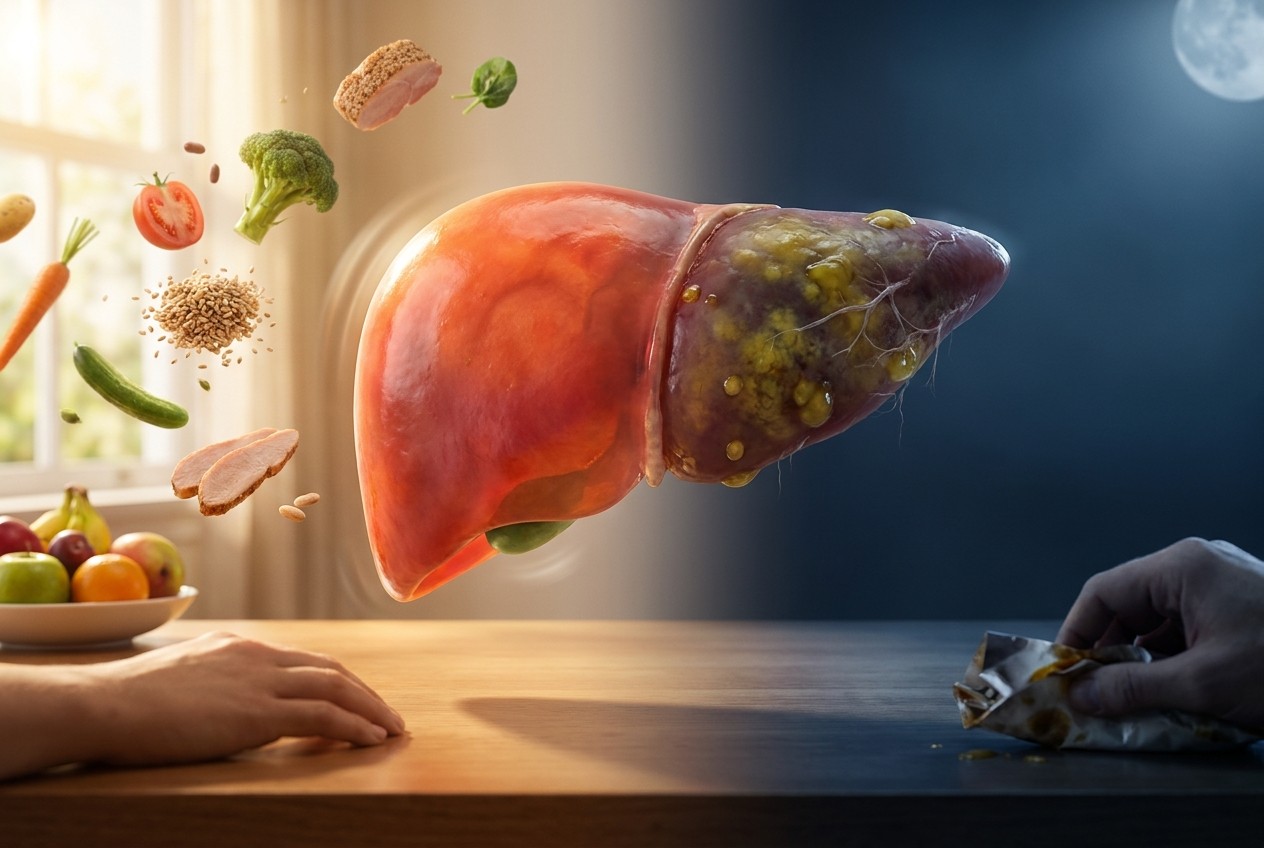
Study: Late-Night Eating Linked to Higher Risk of Fatty Liver Disease and Cirrhosis
By cocosomers // Share
The sweet scent of health: Exploring the benefits of sweet orange essential oil
By lauraharris // Share
Cholesterol Test May Miss Inflammation-Linked Heart Risks, Study Finds
By chasecodewell // Share

JD Vance Says U.S. Has "Decisively Won" Iran War in Some Ways as Midterms Near
By garrisonvance // Share

Trump Approval Rating Falls to Record Low; Republican Candidates Adjust Midterm Campaigns
By douglasharrington // Share

Lawmakers want an AI pause but can’t say what they’d actually pause
By isabelle // Share