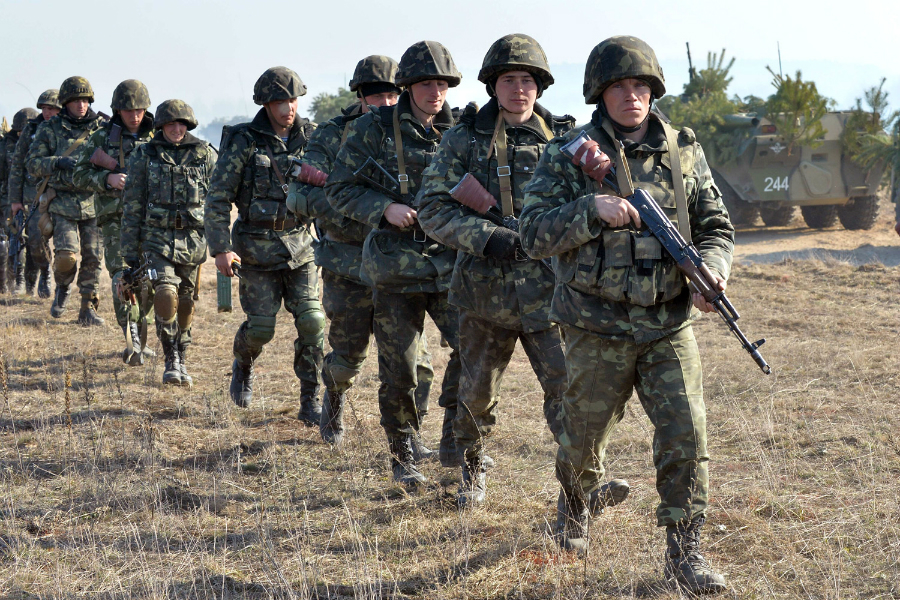
- Ukrainian drone strikes have forced Russian authorities in occupied Crimea to suspend all civilian fuel sales, reserving gasoline exclusively for government agencies.
- The overnight attack on a Kerch oil depot killed four people and wounded 28 others, escalating the fuel crisis across the peninsula.
- President Zelensky framed the strikes as a just response to Russian attacks and part of Ukraine’s long-range sanctions campaign.
- Russia has relaxed fuel quality standards to keep refineries running, allowing sulfur levels 15 times higher than European limits.
- Wholesale gasoline and diesel prices rose 10% in June, with at least a dozen Russian regions now reporting fuel shortages.
Long-range strikes and stalled diplomacy
Ukraine's targeting of Russian energy infrastructure has intensified sharply in recent weeks, with Zelensky describing the operations as part of Kyiv's "long-range sanctions" against Russia's fuel network. In addition to the Kerch oil depot, Ukrainian forces struck a logistics facility in Russia's Krasnodar region, across the Kerch Strait from Crimea. Local authorities reported one person was killed on a passenger ferry during that attack. Zelensky said military logistics facilities and radar systems were also hit. "Russia understands only strength, and our long-range strength is certainly working for peace," he wrote on social media. The Kremlin shows little interest in negotiating. Russia's defense ministry claimed 239 Ukrainian drones were shot down overnight, while Russian attacks over the weekend killed at least seven Ukrainians — with children among more than 30 injured, according to Zelensky. Ceasefire prospects remain stalled more than four years after Russia launched its full-scale invasion, and Putin rebuked Zelensky's request for face-to-face talks in early June. Moscow has used Crimea as a strategic launching pad for strikes deeper into Ukraine; the peninsula also doubles as a popular summer vacation spot for Russians, some of whom are now stranded and unable to find enough fuel to get home.A worsening crisis with no end in sight
The fuel crisis gripping Crimea is the worst since Russia's illegal annexation of the peninsula in 2014. Shortages have been building for weeks. At the end of May, authorities capped gasoline sales at 20 liters per vehicle per week using prepaid coupons, which sold out almost instantly after being released through an official messaging app, sending drivers into lines that stretched for hours. Some have resorted to hauling fuel in from the Krasnodar region via the Kerch bridge, though shipments are capped at 100 liters per vehicle. Online, Russians are exchanging tips on where to find gas while speculators move it at twice the going rate. Authorities have set up a hotline for stranded tourists. In a quiet move that carries real public health consequences, Russia has relaxed fuel quality standards to keep refineries running. According to the Kommersant newspaper, the rules — first eased last autumn and extended in May — now permit gasoline containing up to 150 parts per million of sulfur, roughly 15 times the limit in Europe, China, and India. Higher concentrations of aromatic hydrocarbons, toxic compounds tied to serious health problems, are also permitted. Ordinary Russians are breathing the consequences of these loosened standards while their government pursues a war they were never asked to vote on. Wholesale prices for AI-95 gasoline and diesel rose 10% in the first half of June on the St. Petersburg International Mercantile Exchange, with traders saying prices are nowhere near stabilizing. At least a dozen Russian regions are now reporting fuel shortages. One driver waiting in a long line at a gas station in Sevastopol lamented, "How can it be solved, how? Only if the special military operation ends." Sources for this article include: WSJ.com BBC.com NBCNews.com Reuters.com
Intermittency of Wind and Solar Power Raises Grid Reliability Concerns
By Edison Reed // Share

Nvidia AI Chip Sales to China Face New U.S. Export Restrictions
By Chase Codewell // Share

Nigeria Identifies Major New Critical Minerals District, Large Lithium Discovery
By Patrick Lewis // Share


Gold’s worst quarter in 13 years tests the safe-haven trade
By Cassie B. // Share
Iran, Oman Reportedly Plan Joint Fees for Strait of Hormuz Transit
By Garrison Vance // Share

Study: Late-Night Eating Linked to Higher Risk of Fatty Liver Disease and Cirrhosis
By cocosomers // Share

The sweet scent of health: Exploring the benefits of sweet orange essential oil
By lauraharris // Share
Cholesterol Test May Miss Inflammation-Linked Heart Risks, Study Finds
By chasecodewell // Share
JD Vance Says U.S. Has "Decisively Won" Iran War in Some Ways as Midterms Near
By garrisonvance // Share

Trump Approval Rating Falls to Record Low; Republican Candidates Adjust Midterm Campaigns
By douglasharrington // Share

Lawmakers want an AI pause but can’t say what they’d actually pause
By isabelle // Share