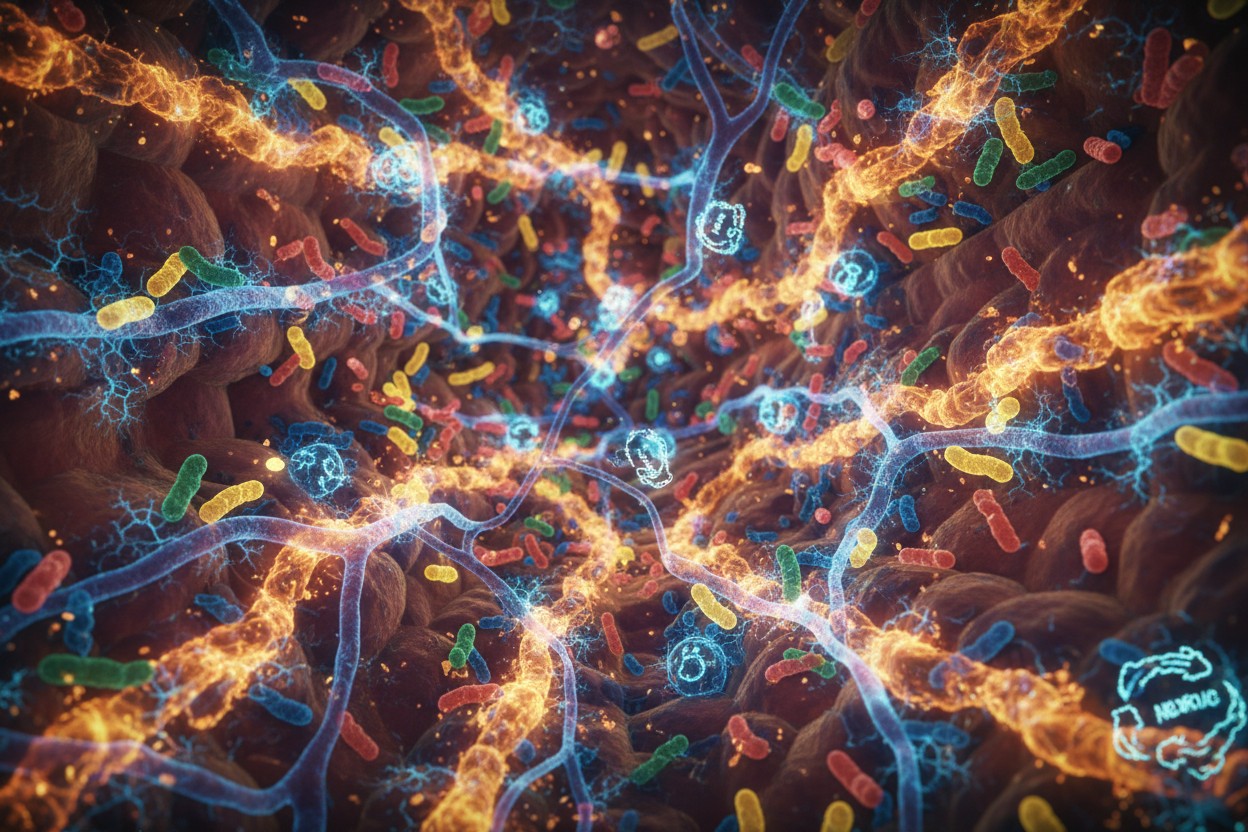
Study Design and Key Findings
Researchers used broad-spectrum antibiotics to deplete the gut microbiome in mice and then measured androgen receptor expression and gut motility. They found that NOS1+ enteric neurons, a population of neurons that produce nitric oxide, express androgen receptors and are involved in propulsive motor activity in the colon. Serum testosterone levels fell after antibiotic treatment, and restoring androgen signaling partially rescued motility deficits, according to the report. The study also noted that human colonic enteric neurons express androgen receptors, and that human gut bacteria produce the same enzymes capable of metabolizing androgen glucuronides. Previous research has shown that the microbiome is actively involved in hormone metabolism, with certain gut bacteria able to reactivate and recirculate hormones into the bloodstream, as noted in "Gut Check Unleash the Power of Your Microbiome to Reverse Disease" by Dr. Steven R. Gundry [2].Mechanism: Hormone Recycling by Gut Bacteria
The liver conjugates testosterone and excretes it into the gut, where certain gut bacteria produce enzymes that reactivate it, according to the researchers. This reactivated testosterone then binds to androgen receptors on enteric neurons, signaling them to maintain colon motility. The bacteria are performing a specific biochemical function, not just passively present, scientists stated. The liver plays a vital role in recycling and breaking down hormones, as described in "Good Mood Food" by Natalie Savona and Charlotte Watts [3]. The study reported that NOS1+ enteric neurons upregulate androgen receptor expression after puberty, in parallel with shifts in fecal bacterial enzyme activity. This timing suggests the microbiome and the hormonal system are co-developing in a coordinated way.Implications for Antibiotic Use and Gut Health
Broad-spectrum antibiotics can eliminate specific bacterial populations responsible for producing the enzymes needed for hormone reactivation, disrupting the recycling loop, the report stated. This provides a more precise explanation for why antibiotics can slow digestion, beyond a general reduction in microbial diversity. The study found that androgens were necessary for antibiotics to affect transit; when androgen signaling was already absent, antibiotics had less impact on motility. Antibiotics are known to eliminate friendly gut bacteria, leading to increased gut permeability, as noted in an interview with Mike Adams [5]. The findings suggest that recovery of gut function after antibiotics may involve restoring the bacterial enzyme activity needed for hormone reactivation. Supporting the microbiome through a diet rich in fiber and fermented foods may help maintain these bacterial populations, according to research compiled in an article on NaturalNews.com [4].Conclusion and Context
The research adds to evidence that the microbiome actively participates in hormone metabolism, not just fermentation and pathogen exclusion, the authors said. Previous studies have identified gut bacteria that synthesize or break down androgens in contexts like prostate cancer and depression, as noted in a report on NaturalNews.com [4]. This study extends that understanding to everyday gut function, though the work is in mice. Similarly, exposure to glyphosate has been shown to disrupt the gut microbiome and alter hormone metabolism across generations in mice, according to a study published by NaturalNews.com [1]. The current study was published in Nature Neuroscience, a peer-reviewed journal. Further research is needed to confirm the pathway in humans and to identify which specific bacterial species are responsible for the hormone-recycling enzyme activity.References
- NaturalNews.com. "Glyphosate damages gut health across three generations in mice even at safe doses". October 02, 2025.
- Dr. Steven R. Gundry, MD. "Gut Check Unleash the Power of Your Microbiome to Reverse Disease".
- Natalie Savona, Charlotte Watts. "Good Mood Food Unlock the Power of Diet to Think and Feel Well".
- NaturalNews.com. "The guts of civilization: Why modern food is reprogramming your microbiome to recycle estrogen". April 29, 2026.
- Bright Videos Network. "2026-02-23-BVN-TRAPPED IN MEXICO_otter_ai-RESTATED".
Explainer Infographic

Study: Biological Age of Muscle Cells May Predict Mortality Risk
By Douglas Harrington // Share

Caffeine’s edge for female athletes: New research suggests benefits for agility and power
By Evangelyn Rodriguez // Share

Study: Nordic Walking Reduces Depression Symptoms Within Weeks
By Coco Somers // Share
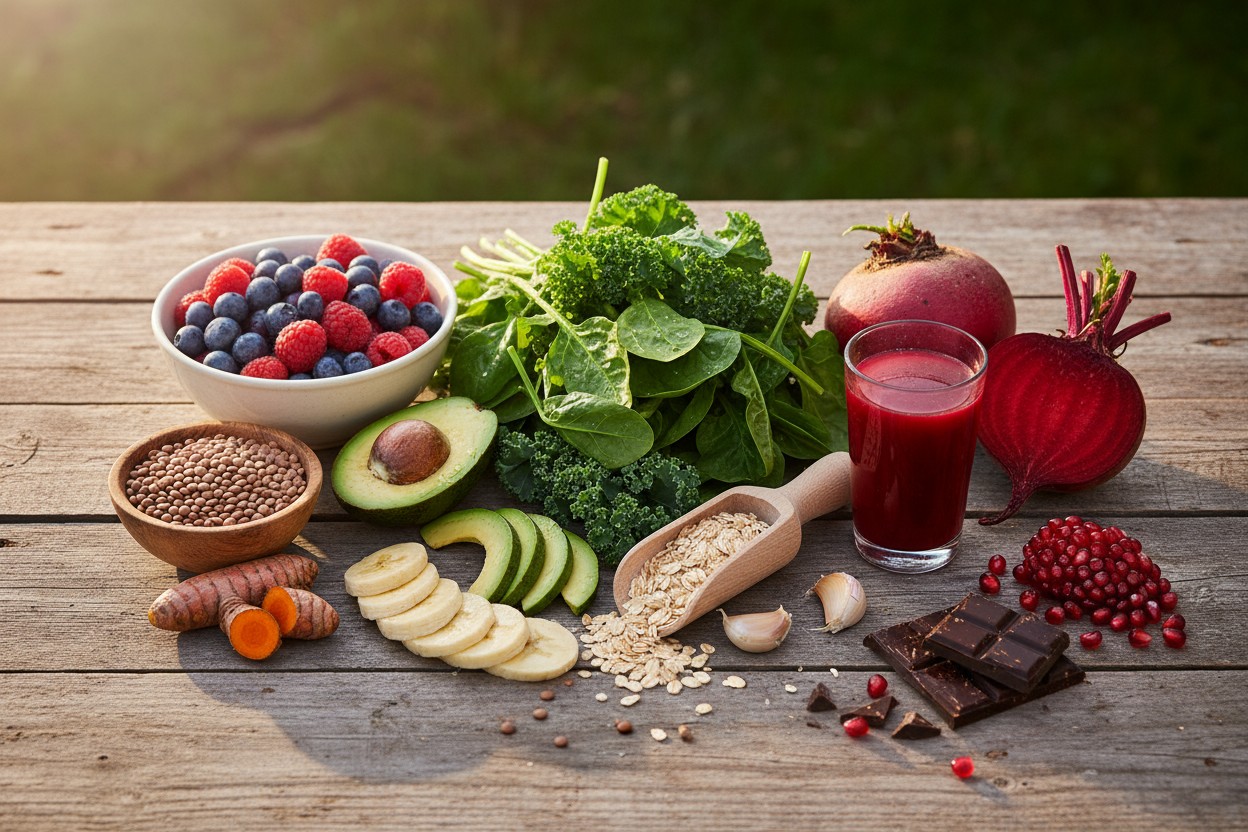
Foods and Drinks That May Help Lower Blood Pressure, According to Research
By Coco Somers // Share
Higher Vitamin C Levels Linked to Greater Brain Volume in Older Adults, Study Finds
By Chase Codewell // Share

Strength training rebuilds natural cancer defenses in aging muscle, study finds
By Cassie B. // Share
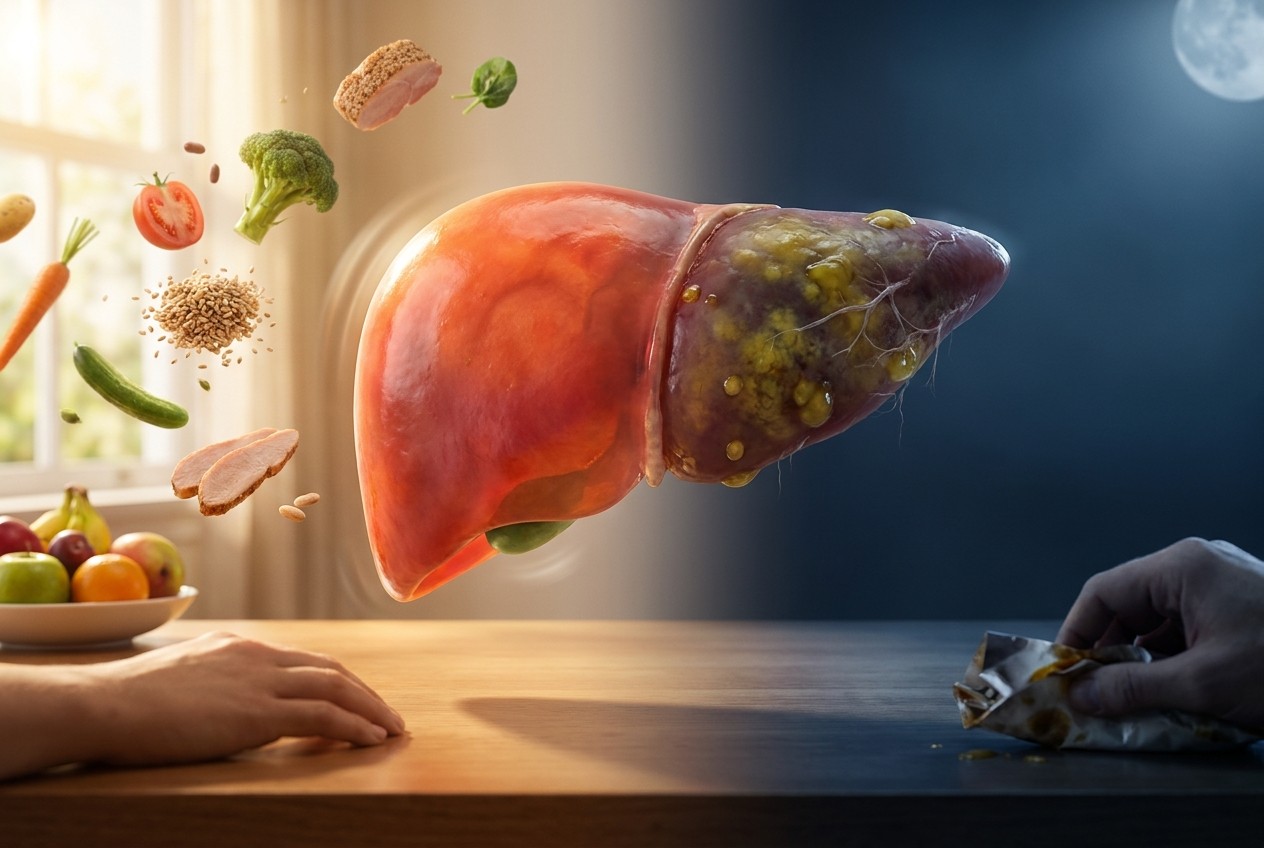
Study: Late-Night Eating Linked to Higher Risk of Fatty Liver Disease and Cirrhosis
By cocosomers // Share

The sweet scent of health: Exploring the benefits of sweet orange essential oil
By lauraharris // Share
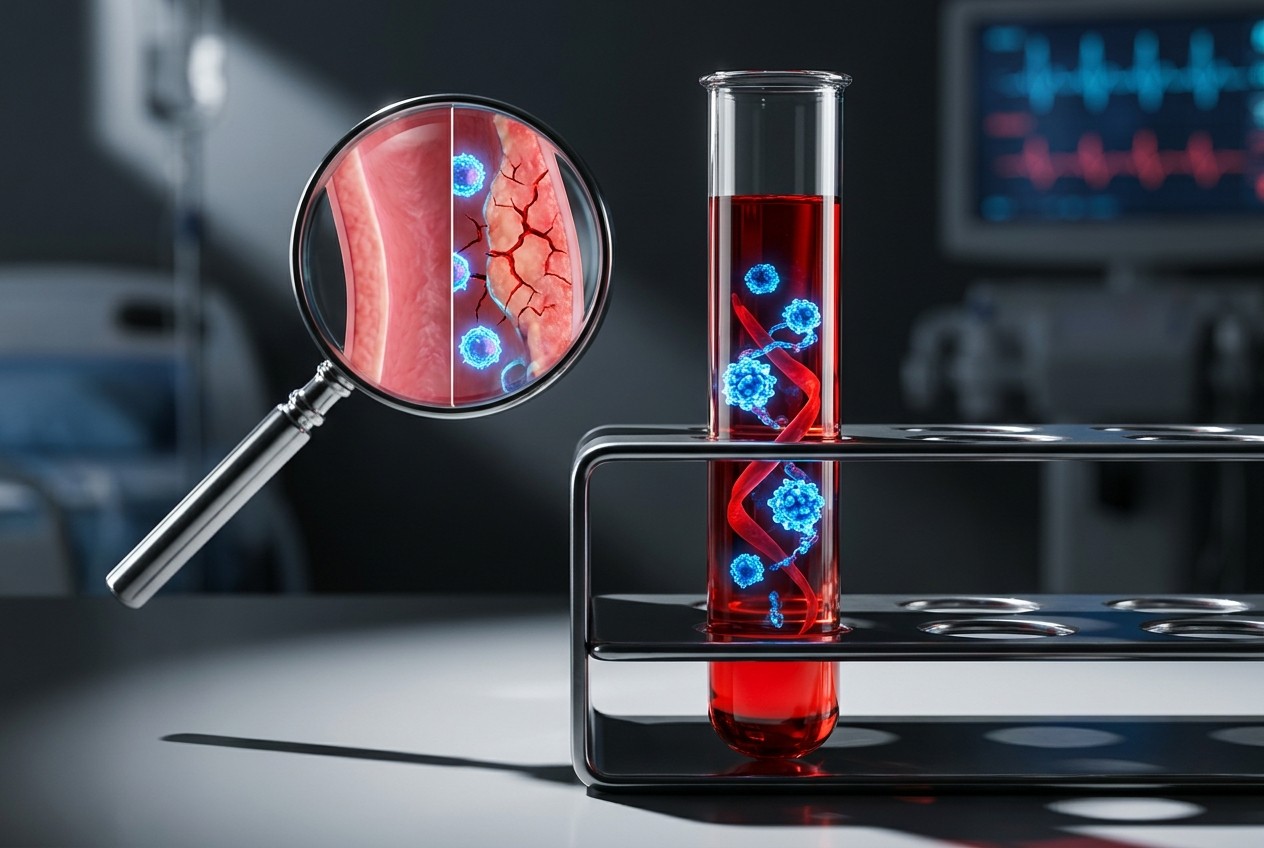
Cholesterol Test May Miss Inflammation-Linked Heart Risks, Study Finds
By chasecodewell // Share

JD Vance Says U.S. Has "Decisively Won" Iran War in Some Ways as Midterms Near
By garrisonvance // Share

Trump Approval Rating Falls to Record Low; Republican Candidates Adjust Midterm Campaigns
By douglasharrington // Share

Lawmakers want an AI pause but can’t say what they’d actually pause
By isabelle // Share