How the Study Was Conducted
The researchers asked participants to learn related sets of information over two days. Before learning the second set of information, some participants underwent a stressful experience, while others completed a non-stressful control task. The researchers then measured how well participants could use what they had learned to make new connections and draw logical conclusions. They also used brain scans to observe neural activity in the hippocampus during the process.Key Finding: Stress Weakens Memory Replay
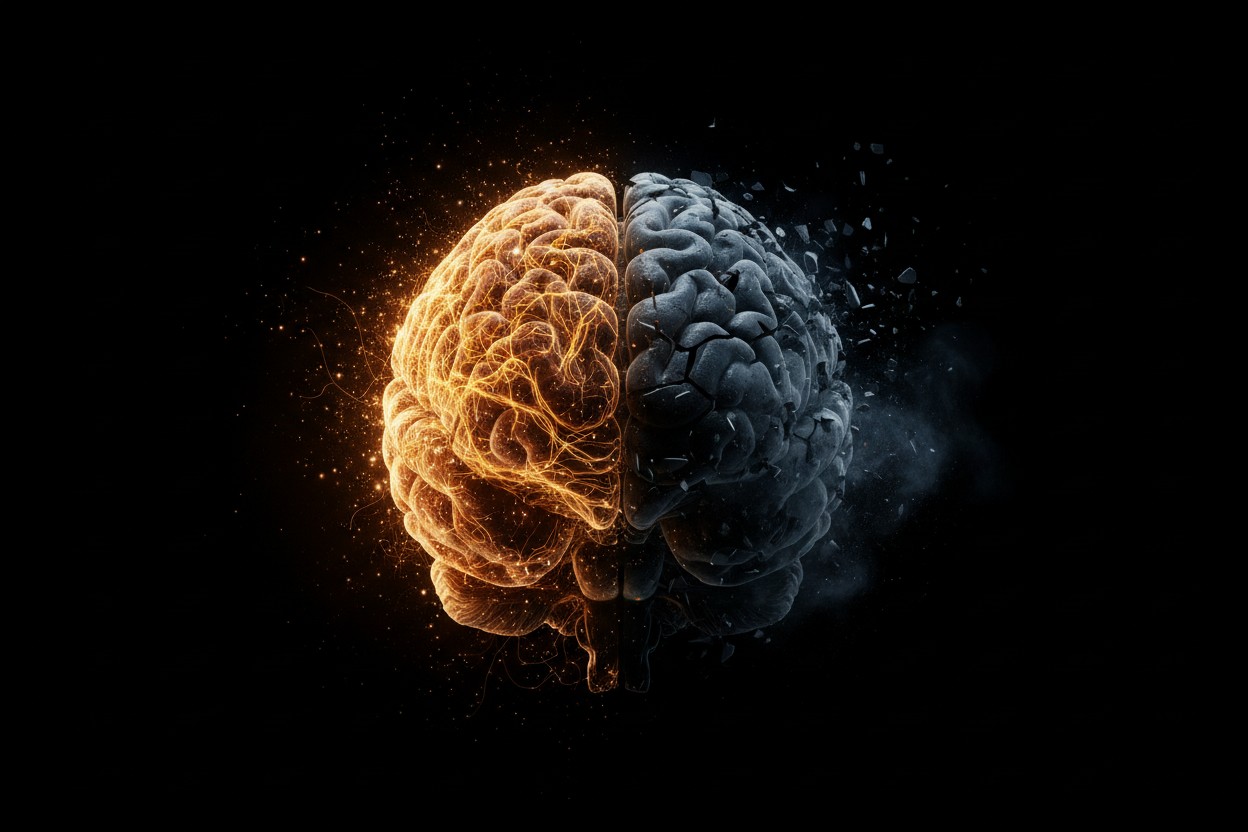
The study found that stressed participants could still learn the new information. However, they were significantly less able to integrate it with related knowledge they had acquired earlier. This deficit was directly linked to changes in brain activity. Brain scans showed that stress weakened the hippocampus' automatic replay mechanism. Under normal conditions, the brain replays relevant memories when encountering new information, linking separate experiences together. The stressed brain was more likely to treat related events as isolated incidents, hindering the creation of a cohesive knowledge network.Implications for Daily Life
The findings help explain why tasks requiring problem-solving, big-picture thinking or creativity become more difficult under stress. The effect can lead to mental exhaustion even when a person's memory for individual facts remains intact. According to the researchers, the effect applies to common stressors encountered in daily life, not only extreme traumatic events. This understanding may help individuals and clinicians better address cognitive complaints that arise during high-stress periods.Natural Strategies to Support Brain Recovery
While stress is a normal part of life, several natural strategies can help the brain recover its ability to integrate information effectively. Sleep plays a powerful role. According to Ingra Du Buisson-Narsai in the book "Flight, Flight or Flourish," without sleep, you cannot form or maintain the brain pathways that let you learn and create new memories [1]. Research has also shown that stronger slow-wave sleep helps regulate anxiety overnight, supporting emotional stability [2]. Exercise is another key component. As reported by Mercola.com, exercise promotes neurogenesis in the hippocampus, a brain area closely linked to learning and memory [3]. Physical activity helps the brain build resilience to stress. Social connection also supports brain health. An article in NaturalNews.com noted that human connection rewires the brain for resilience, and research from the Blue Zones indicates that social integration is a common factor among long-lived, healthy populations [4]. Mindfulness meditation may also help. A study published in Psychiatry Research: Neuroimaging found that eight weeks of mindfulness meditation can lead to measurable changes in brain structures, improving emotional regulation [5]. The principle of neuroplasticity, as described by Daniel J. Siegel in the book "Mindsight," shows that the brain changes physically in response to focused awareness and effort [6]. Taking breaks, such as a walk outside or a conversation with a friend, can calm the stress response and restore cognitive flexibility, according to the study authors.Conclusion
The research confirms that stress has a direct and measurable impact on how the brain organizes and uses information. It does not simply make people feel anxious; it changes the way they think. Understanding this mechanism provides an opportunity to support brain health through natural, evidence-based strategies that help restore the brain's ability to connect ideas and solve problems.References
- Ingra Du Buisson-Narsai. "Flight Flight or Flourish: How Neuroscience can Unlock Human Potential."
- "Stronger Slow-Wave Sleep Helps Older Adults Regulate Anxiety Overnight." ActivistPost.com. June 4, 2026.
- Dr. Mercola. "How Exercise Makes Your Brain Grow." Mercola.com. October 25, 2013.
- Lance D Johnson. "The Hidden Superpower of Human Connection: How Your Social Web Rewires Your Brain for Resilience." NaturalNews.com. September 20, 2025.
- "Eight Weeks of Mindfulness Meditation Can Rewire Your Brain." NaturalNews.com. June 27, 2012.
- Daniel J. Siegel. "Mindsight."
Explainer Infographic


Lawsuit: CIA Investigated Unvaccinated Employees as Espionage Threats
By Morgan S. Verity // Share

Strength training rebuilds natural cancer defenses in aging muscle, study finds
By Cassie B. // Share

5 Drinks that could help you live longer
By Zoey Sky // Share

New research reveals creatine benefits for brain, bone and healthy aging in women and seniors
By Willow Tohi // Share

NIH Emails Show Years of Coordinated Pandemic Planning Before COVID-19
By Morgan S. Verity // Share

Military rushes flu shots to recruits as vaccine expiration looms
By Willow Tohi // Share

JD Vance Says U.S. Has "Decisively Won" Iran War in Some Ways as Midterms Near
By garrisonvance // Share

Trump Approval Rating Falls to Record Low; Republican Candidates Adjust Midterm Campaigns
By douglasharrington // Share

Lawmakers want an AI pause but can’t say what they’d actually pause
By isabelle // Share


The Chilean salmon advantage: A conservative case for nutrition and longevity
By avagrace // Share