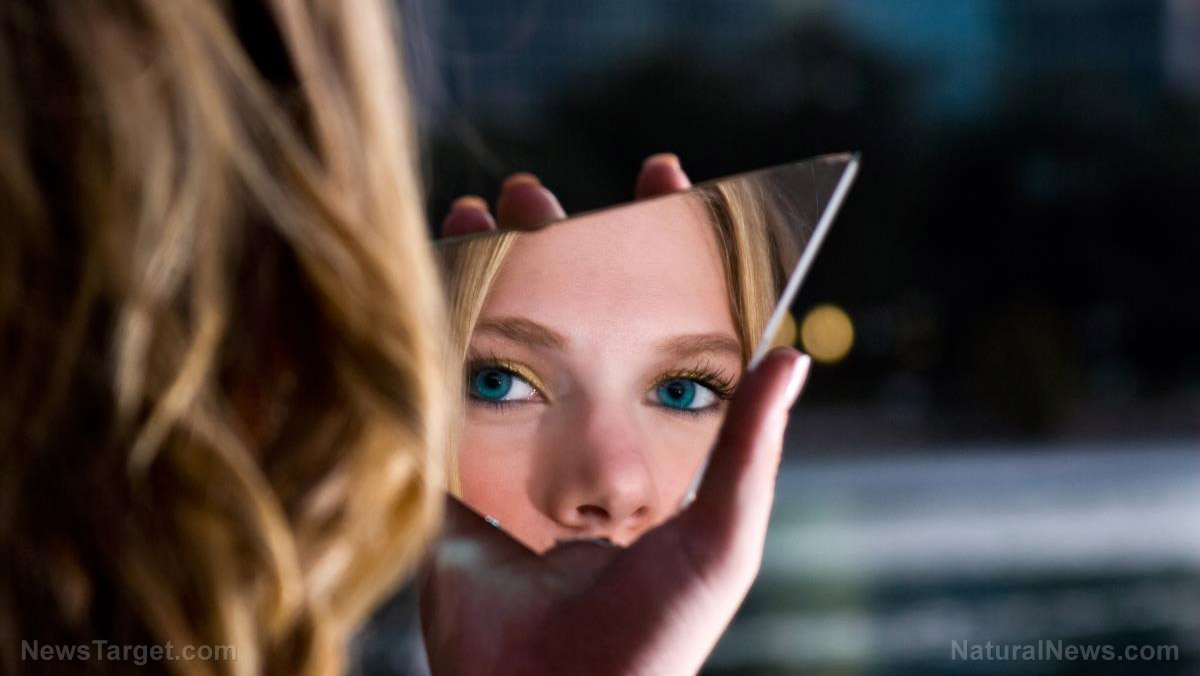
- AI-generated fake influencers are being used by major brands to create fake customer endorsements without disclosure, leaving consumers unaware of who is selling to them.
- Up to 60% of content from big brands may be AI-made, with creators often bound by NDAs to hide the practice.
- AI influencer posts cost roughly $1,694 versus $78,777 for human influencers, creating a massive incentive for deception.
- No mandatory disclosure rules exist in the UK or most of the world, while U.S. enforcement remains inconsistent and weak.
- Consumers must remain skeptical of seemingly perfect recommendations, as detection technology is still unreliable and scams are rising.
The scale of the deception
The practice appears to be far more widespread than many consumers realize. Clarissa Mansbridge, a former celebrity manager who now creates AI influencer images for brands through her Mia Metaverse portfolio, estimates the scope is enormous. "I'm going to say about 40% to 60% of the content out there from some of the big brands is actually being made through AI," Mansbridge told the Guardian. She added that "a lot of the creators are under NDA" — non-disclosure agreements that prevent them from discussing their work. "If you sign with a brand, they'll make you sign an NDA saying you can't talk about the fact they're using [AI], because consumer trust is still being built," Mansbridge said. "I call it plausible deniability." The economic incentive is clear. Mansbridge explained that "brands want high-end photography, but they don't want to pay $20,000 to $70,000 for a traditional photoshoot." According to figures cited by Marketing Week, the average AI influencer post costs around $1,694, compared with roughly $78,777 for a human influencer — a gap of more than 46 to one.Real examples, fake people
The Guardian's investigation identified several specific cases. A photo app called Once, which creates disposable camera-style photographs for events, posted Instagram videos showing a bride crying and saying she was pleased to have used the app at her wedding. Analysis by Reality Defenders, a cybersecurity company specializing in deepfake detection, indicated the brand likely used AI-generated influencers in its promotion. Once did not respond to requests for comment. A fashion brand called Ashle, based in Dubai, posted a photograph appearing to show a woman wearing its clothes at a restaurant, except the woman appeared to have an extra finger. After the Guardian approached the brand about AI influencer use, Ashle deleted the photographs. A spokesperson said the images were removed "because those particular designs are no longer part of the collection, not because they were AI-generated," and acknowledged that "some early marketing imagery utilized AI during our initial launch phase." Maket, an app that uses AI to design housing projects, told the Guardian that "AI-generated influencers have been one of several ways for us to test creative concepts and marketing hooks at a small scale before investing in broader campaigns."The regulatory void
The Advertising Standards Authority, the UK's advertising regulator, confirmed there is nothing in its rules that explicitly prohibits brands from posting AI-generated promotional content without disclosure. "There's nothing in our rules that prohibits this and there are no disclosure rules for AI content labelling," an ASA spokesperson said. In the European Union, new rules under the Artificial Intelligence Act will begin applying in August requiring AI-generated content to be clearly labeled. In the United States, the FTC's updated Endorsement Guides require disclosure of material connections and extend to AI-generated personas — but there is no AI-specific federal law, and enforcement remains inconsistent. This regulatory gap leaves consumers vulnerable. Lisa Barber, editor of Which? Tech, noted that "a worrying 70% of people are unable to correctly identify all the real and fake videos we showed them, meaning consumers could be frequently being misled by AI-generated content and becoming targets for scammers."What this means for you
The same instinct that should make consumers skeptical of a pharmaceutical ad that breezes past its side-effect disclosures applies here. Brands are manufacturing "authentic" customer recommendations at scale, using technology most people cannot yet detect, under rules that are too weak to stop them. That glowing review of an app you've never heard of, that heartfelt recommendation from a stranger who looks just a little too perfect — it might be real. Or it might be a digital ghost, engineered to earn your trust and spend your money without ever existing at all. Until regulators demand the same transparency from AI marketers that consumers deserve from any advertiser, the burden of skepticism falls on you. Sources for this article include: TheGuardian.com TheVerge.com Medium.com
Trump financial disclosure reports hundreds of millions in crypto income
By Garrison Vance // Share

Intermittency of Wind and Solar Power Raises Grid Reliability Concerns
By Edison Reed // Share
Nvidia AI Chip Sales to China Face New U.S. Export Restrictions
By Chase Codewell // Share


AI Data Center Expansion Faces Grid Constraints as Power Demand Surges
By Edison Reed // Share

Lawsuit: CIA Investigated Unvaccinated Employees as Espionage Threats
By Morgan S. Verity // Share

Study: Late-Night Eating Linked to Higher Risk of Fatty Liver Disease and Cirrhosis
By cocosomers // Share
The sweet scent of health: Exploring the benefits of sweet orange essential oil
By lauraharris // Share

Cholesterol Test May Miss Inflammation-Linked Heart Risks, Study Finds
By chasecodewell // Share

JD Vance Says U.S. Has "Decisively Won" Iran War in Some Ways as Midterms Near
By garrisonvance // Share
Trump Approval Rating Falls to Record Low; Republican Candidates Adjust Midterm Campaigns
By douglasharrington // Share
Lawmakers want an AI pause but can’t say what they’d actually pause
By isabelle // Share