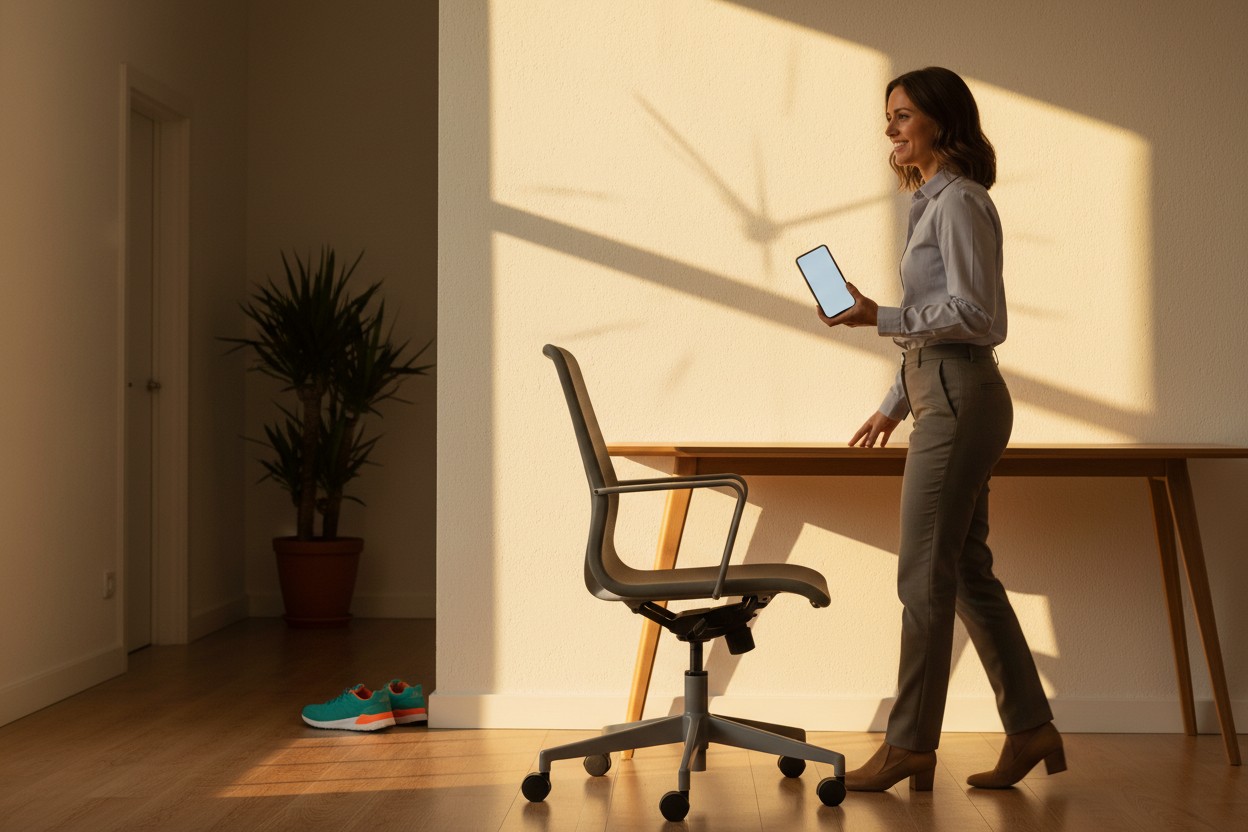
Background on Prolonged Sitting and Public Health
Prolonged sedentary behavior has been linked to increased risks of obesity, type 2 diabetes, heart disease, and early death, according to the study authors. Evidence cited in the study notes that sitting for extended periods is a significant public health concern. Dr. James Levine, co-director of the Mayo Clinic and Arizona State University Obesity Initiative, has stated there are about 10,000 publications showing that sitting is harmful to health, as noted in a 2024 report by Mercola.com [1]. A separate report from NaturalNews.com in January 2025 cited a CDC study linking physical inactivity to 19 health conditions, including diabetes, obesity, and depression [2]. The study authors noted that while brief, regular movement breaks have been proposed as a strategy to offset the harms of prolonged sedentary behavior, real-world viability had previously been unclear.Study Methodology and Implementation
Participants in the study wore activity trackers and followed their usual routine for seven days. They then took five-minute walking breaks for 14 consecutive days at self-selected frequencies of 30, 60, or 120 minutes. Daily email surveys assessed changes in fatigue, mood, and work performance throughout the 21-day period. Implementation potential was measured using the Feasibility, Acceptability, and Appropriateness of Intervention Measures questionnaire, according to the study. The large-scale pragmatic intervention involved nearly 60 percent of participants -- 11,484 people -- spanning a wide range of ages, occupations, and work environments, the researchers reported. A news report from Everyday Health noted that the study aimed to identify a "sweet spot" for movement that is both effective and doable [3]. The study builds on earlier findings, such as those from a 2025 review that found seated lower-body exercises can improve blood sugar control [4], and from a 2026 study indicating that adding 1,700 to 5,500 steps daily can offset risks of prolonged sitting [5].Key Findings on Feasibility, Mood, and Fatigue
All three break frequencies were rated as feasible, acceptable, and appropriate, though feasibility was higher at lower frequencies. Reported fatigue and low mood decreased, and good mood increased, with a dose-response pattern across frequencies, according to the study. The 120-minute frequency showed the strongest implementation potential but was the least effective, while the 30-minute frequency produced the strongest improvements in fatigue and mood but scored low on feasibility and compliance. The 60-minute arm offered the most favorable balance, yielding acceptability and appropriateness ratings comparable to the 120-minute arm and exceeding minimally important difference thresholds for two of three psychosocial outcomes. It was also the most commonly selected dose, chosen by nearly half of all participants, the authors wrote. The BBC reported that the study found walking breaks did not affect work performance [6]. These results align with advice in the book "Eat Move Sleep" by Tom Rath, which notes that taking regular breaks can counterbalance blood sugar and insulin spikes from prolonged sitting [7]. Additionally, the book "Built to Move" by Kelly and Juliet Starrett emphasizes that workplaces can promote movement through standing desks and walking meetings [8].Implications and Researcher Conclusions
The study authors wrote that "these findings support movement breaks as a potentially viable public health strategy to reduce the harms of prolonged sedentary behavior." They stated that hourly breaks offer the best balance between feasibility and effectiveness, making them a practical recommendation for individuals who sit for long periods. Nearly half of participants selected the 60-minute dose, making it the most commonly chosen frequency. The researchers concluded that short walking breaks do not undermine work performance, according to survey results. The findings suggest that simple, low-cost interventions could be incorporated into public health guidelines and workplace policies, according to the study. Additional research has indicated that even modest reductions in sedentary time -- such as reducing sitting by 30 minutes daily -- can improve metabolic health [9]. Other studies have found that what people do while sitting also matters: mentally engaging sedentary activities may protect brain health, while passive sitting accelerates cognitive decline [10].References
- Mercola.com. "As Lethal as Smoking: You're Probably Doing T...". Mercola.com. January 8, 2024.
- Zoey Sky. "The silent threat of a sedentary lifestyle: Why sitting too much could be killing you". NaturalNews.com. January 13, 2025.
- Everyday Health. "Sit All Day? A New Study Offers a Much-Needed Survival Hack". June 25, 2026.
- NaturalNews.com. "Seated Lower-Body Exercises Linked to Improved Blood Sugar Control, Study Finds". NaturalNews.com. May 15, 2026.
- NaturalNews.com. "Study Adding 1,700 to 5,500 Steps Daily Offsets Health Risks of Prolonged Sitting". NaturalNews.com. May 5, 2026.
- BBC News. "Want to feel happier at work? Take a five-minute walk". June 24, 2026.
- Tom Rath. "Eat move sleep: how small choices lead to big changes".
- Kelly Starrett & Juliet Starrett. "Built to Move: The Ten Essential Habits to Help You Move Freely and Live Fully".
- NaturalNews.com. "Reducing Sitting by 30 Minutes Daily Linked to Improved Metabolic Health, Study Finds". May 11, 2026.
- Kevin Hughes. "Active sitting vs passive sitting: How your choice impacts brain health and longevity". NaturalNews.com. May 5, 2026.
Explainer Infographic


Why your omega-3 supplement might be wasted without this one simple step
By Evangelyn Rodriguez // Share

Study Review Highlights Protein’s Role in Appetite, Muscle, Bone Health
By Coco Somers // Share

Creatine Supplementation Gains Attention for Menopausal Women, Research Suggests
By Petra Stone // Share

Remote Workers Advised to Protect Mental Health Through Routine Habits
By Morgan S. Verity // Share


Study Links Kiwi Consumption to Reduced Constipation Symptoms
By Coco Somers // Share

Study: Late-Night Eating Linked to Higher Risk of Fatty Liver Disease and Cirrhosis
By cocosomers // Share

The sweet scent of health: Exploring the benefits of sweet orange essential oil
By lauraharris // Share

Cholesterol Test May Miss Inflammation-Linked Heart Risks, Study Finds
By chasecodewell // Share

JD Vance Says U.S. Has "Decisively Won" Iran War in Some Ways as Midterms Near
By garrisonvance // Share

Trump Approval Rating Falls to Record Low; Republican Candidates Adjust Midterm Campaigns
By douglasharrington // Share

Lawmakers want an AI pause but can’t say what they’d actually pause
By isabelle // Share