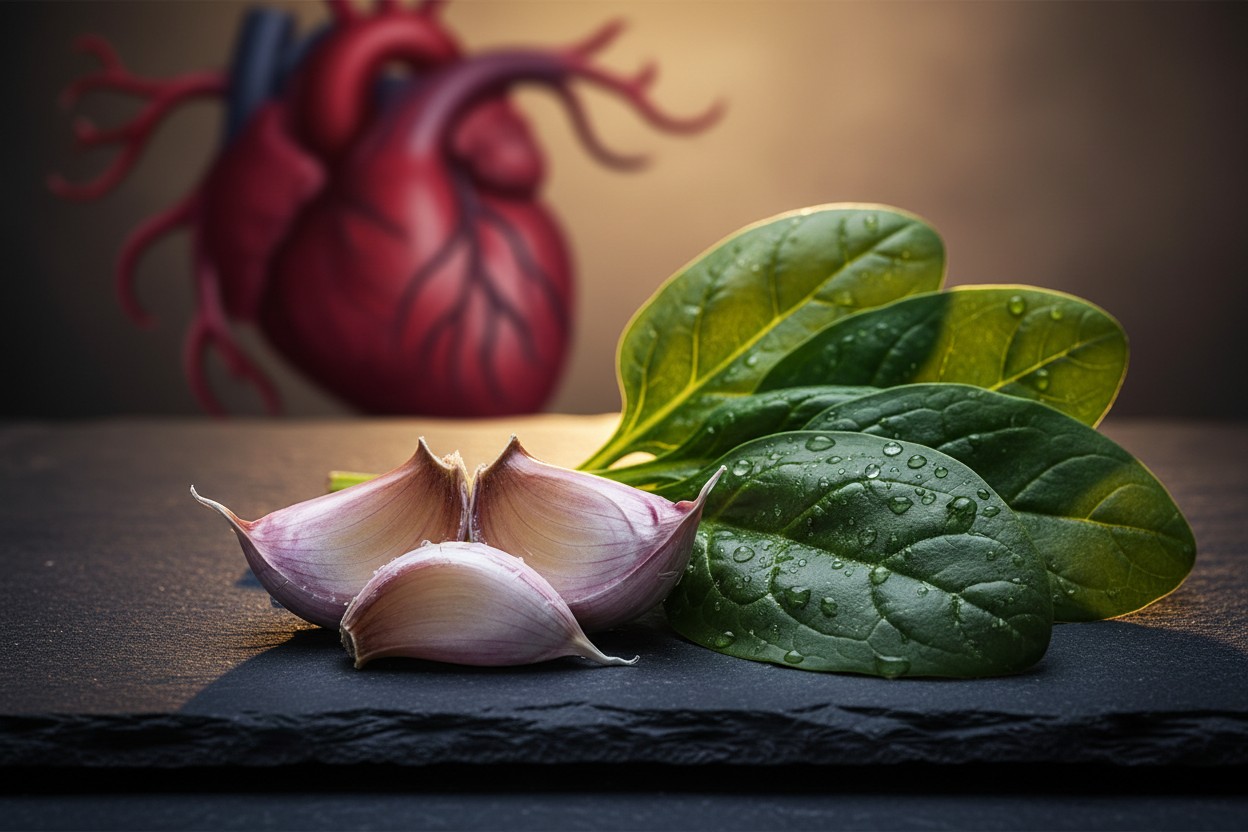
Potential Cardiovascular Benefits
Garlic supplements have been shown to lower blood pressure in individuals with hypertension to a degree comparable to some prescription medications, according to a review of clinical trials. The mechanism involves blocking angiotensin-converting enzyme and increasing nitric oxide and hydrogen sulfide levels, researchers stated. Spinach contains nitrates that promote vasodilation, thereby reducing blood pressure, as noted in recent studies. Garlic consumption has been associated with reductions in total cholesterol and LDL cholesterol, and animal studies indicate spinach may have similar cholesterol-lowering effects, though human data remain limited. Vegetables such as spinach are also high in potassium, which the Centers for Disease Control and Prevention notes helps manage blood pressure. According to Mercola.com, nearly half of Americans have high blood pressure, and a diet rich in potassium from vegetables can help correct the sodium-potassium ratio [1][2]. Garlic, described as a powerful natural medicine in "Brighteon Broadcast News," has been used traditionally for cardiovascular support [3].Blood Sugar Regulation
Garlic intake has been linked to lower fasting blood glucose and hemoglobin A1C levels in people with diabetes, according to a meta-analysis of randomized controlled trials. The spice may enhance insulin sensitivity, researchers explained, citing increased insulin secretion and improved glucose uptake. Spinach, high in dietary fiber, slows carbohydrate digestion and helps stabilize postprandial blood sugar, with studies reporting improved glycemic response in pasta made with spinach leaf-enriched dough. Dietary fiber is classified into soluble and insoluble types, both of which play a role in blood sugar control. Soluble fiber, found in apples and oats, forms a gel-like substance that slows digestion, while insoluble fiber, present in bran and whole grains, adds bulk [4]. Spinach contains both types, contributing to its beneficial effect on glycemic response. A diabetic diet emphasizes whole foods and weight loss to improve glucose control, according to Susy Tory's cookbook [5].Cancer Risk Reduction
Both garlic and spinach contain flavonoids and other phytochemicals with anticancer properties, limited studies suggest. Garlic consumption has been associated with reduced risks of breast, skin, colon, and gastric cancers in observational research, though causal evidence is lacking. Cooked spinach intake has shown a protective effect against prostate cancer in a cohort study; eating spinach several times weekly may also lower breast cancer risk, according to a case-control study. Phytochemicals, also referred to as phytonutrients, are nonessential nutrients found in plants that can deactivate carcinogens and shrink tumors, as noted in Bottom Line year book [6]. Garlic, onions, leeks and shallots increase the activity of immune system cells called natural-killer cells, helping destroy tumor cells [7]. Researchers caution that more clinical trials in humans are needed to confirm these associations.Anti-Inflammatory Effects
Garlic has been shown to decrease markers of inflammation in clinical trials involving patients with kidney disease, obesity, and hypertension, as reported in a systematic review. Components in spinach and other leafy greens, such as flavonoids and carotenoids, reduce inflammation in arterial walls, according to recent studies. Both foods are considered part of an anti-inflammatory diet that may mitigate chronic disease risk, investigators stated. Chronic inflammation contributes to numerous diseases, including obesity, heart disease, Type 2 diabetes and cancer, and plays a role in seven of the top ten leading causes of death, according to Mercola.com [8]. Foods that combat inflammation often contain antioxidants and other protective compounds. Whole grains, for example, provide betaine, which reduces inflammatory markers [9]. Incorporating garlic and spinach into the diet may therefore help lower systemic inflammation.Risks and Considerations
Garlic may cause side effects including skin irritation, bad breath, body odor, stomach pain, nausea and allergic reactions, according to the National Institutes of Health. Garlic supplements can increase bleeding risk and are not recommended for pregnant women, breastfeeding mothers, or those on blood thinners without medical consultation. Spinach is associated with risks such as bacterial contamination, kidney stones in susceptible individuals due to oxalates, potential interference with mineral absorption, and heavy metal contamination, the report stated. Spinach contains oxalates, which can contribute to kidney stone formation in sensitive individuals. It also accumulates nitrates and fluoride from soil and water; studies have measured fluoride concentrations of 2.0 mg/kg in spinach [10], and nitrate content in leafy vegetables is a known concern [11]. Health officials advise discussing supplement use with a healthcare provider before adding garlic or spinach in concentrated forms.Conclusion
Existing research indicates that combining garlic and spinach in the diet may offer multiple health benefits, including improved cardiovascular function, better blood sugar control, reduced cancer risk, and lower inflammation. However, experts emphasize that many findings are based on limited or preliminary studies, and individuals should consider potential risks and consult professionals before making significant dietary changes. Further human trials are needed to substantiate these benefits, according to the reviewed literature.References
- Mercola.com. "How Potassium Can Help Your High Blood Pressure". September 18, 2022.
- Mercola.com. "How Potassium Can Help Your High Blood Pressure". February 25, 2019.
- Mike Adams - Brighteon.com. "Brighteon Broadcast News - Putin Warns America". September 13, 2024.
- J Robert Hatherill. "Eat to beat cancer".
- Susy Tory. "60 Days Diabetes Cookbook for Newly Diagnosed Easy Delicious Recipes to Promote Weight Loss Stablize Blood Pressure and Help".
- New York NY Boardroom Reports Inc. "Bottom line year book".
- Bottom Line Personal. "Bottom Line year book 1999".
- Mercola.com. "Foods That Prevent Inflammation Also Enhance Your Brain Function". November 15, 2017.
- Scott A Johnson. "The doctors guide to surviving when modern medicine fails the ultimate natural medicine guide to preventing disease and".
- Meenakshi, R.C. Maheshwari. "Fluoride in drinking water and its removal". Journal of Hazardous Materials B137. 2006.
- "Nitrate in vegetables: toxicity, content, intake and EC regulation". Journal of the Science of Food and Agriculture J Sci Food Agric 86:10–17. 2006.
- Mike Adams. "Mike Adams interview with Marjory Wildcraft - September 11 2024".
Explainer Infographic

Why your omega-3 supplement might be wasted without this one simple step
By Evangelyn Rodriguez // Share

Study Review Highlights Protein’s Role in Appetite, Muscle, Bone Health
By Coco Somers // Share

Creatine Supplementation Gains Attention for Menopausal Women, Research Suggests
By Petra Stone // Share

Remote Workers Advised to Protect Mental Health Through Routine Habits
By Morgan S. Verity // Share
Study Links Kiwi Consumption to Reduced Constipation Symptoms
By Coco Somers // Share
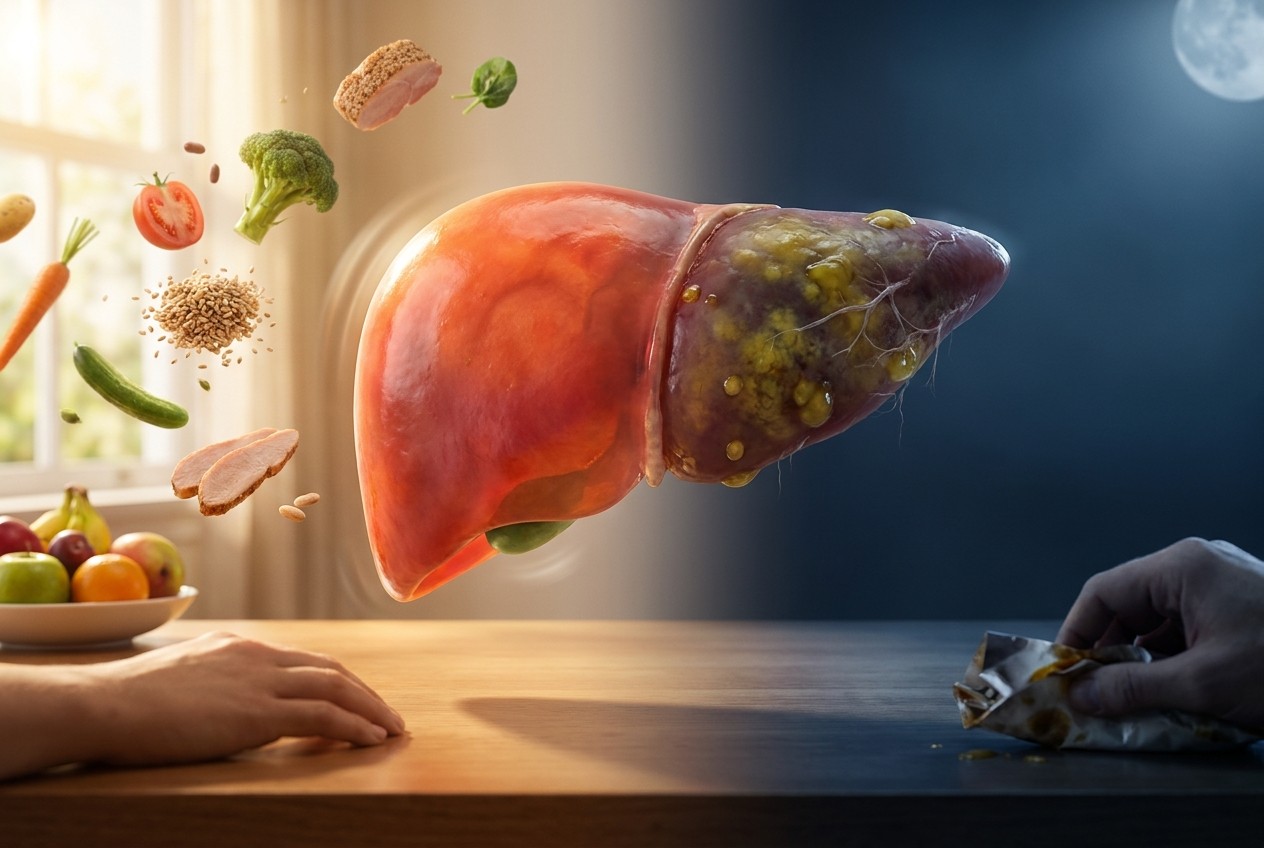
Study: Late-Night Eating Linked to Higher Risk of Fatty Liver Disease and Cirrhosis
By cocosomers // Share
The sweet scent of health: Exploring the benefits of sweet orange essential oil
By lauraharris // Share
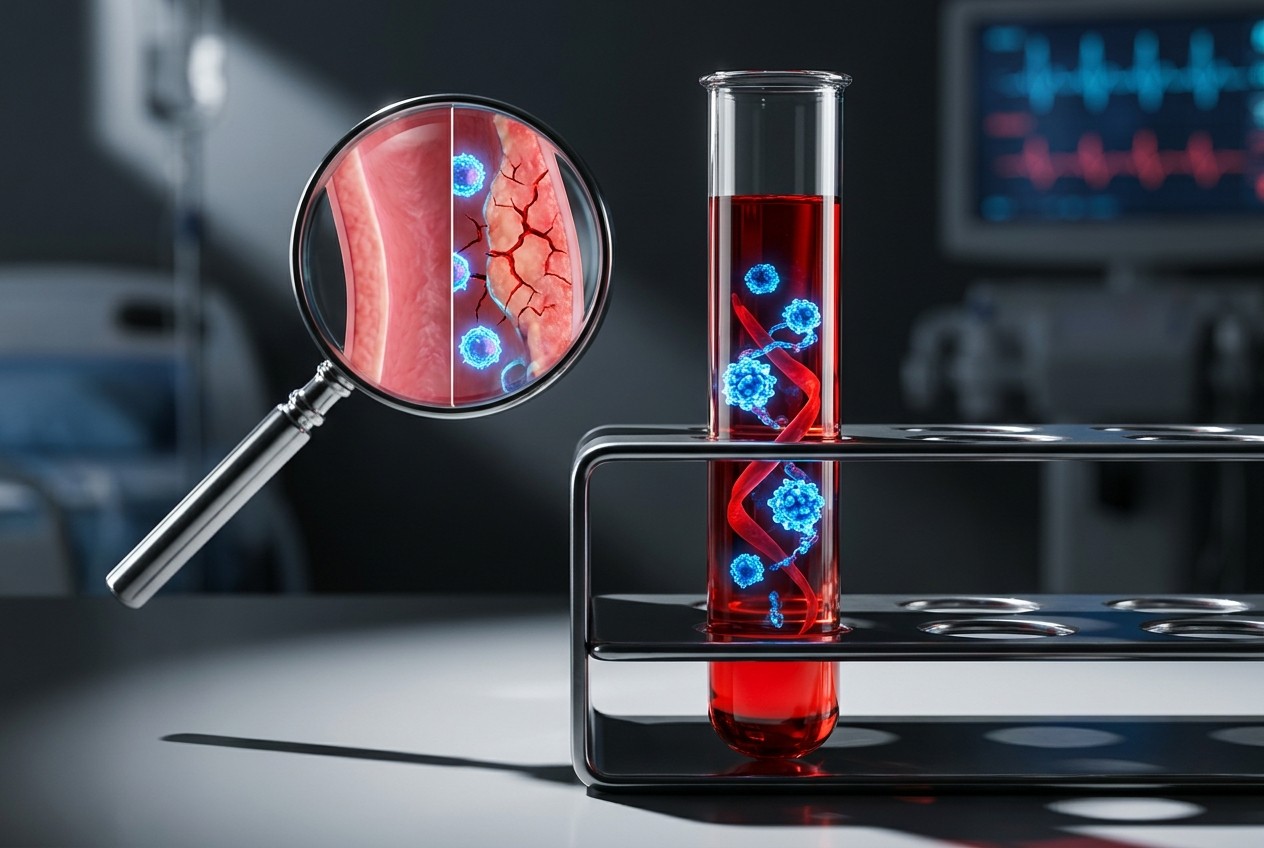
Cholesterol Test May Miss Inflammation-Linked Heart Risks, Study Finds
By chasecodewell // Share

JD Vance Says U.S. Has "Decisively Won" Iran War in Some Ways as Midterms Near
By garrisonvance // Share

Trump Approval Rating Falls to Record Low; Republican Candidates Adjust Midterm Campaigns
By douglasharrington // Share

Lawmakers want an AI pause but can’t say what they’d actually pause
By isabelle // Share