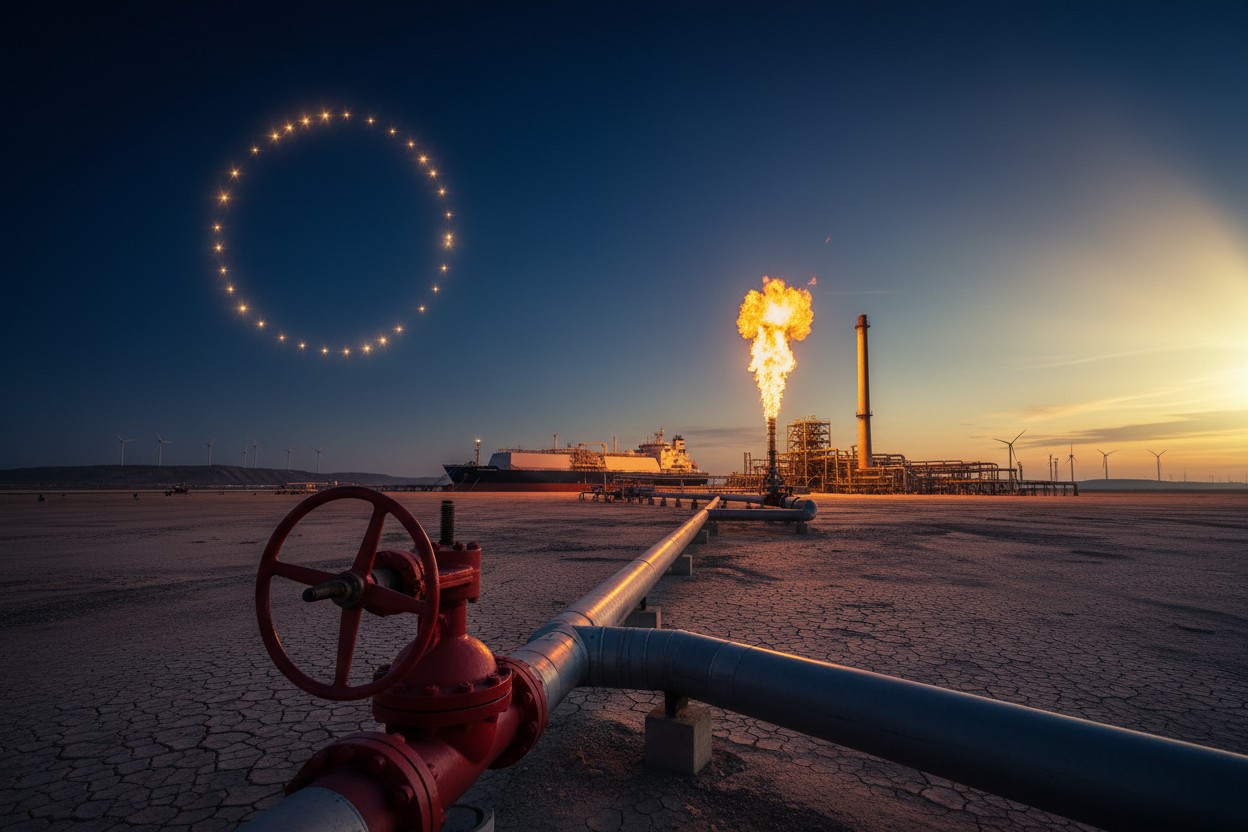
Background of EU Methane Rules
The EU methane regulation aims to reduce emissions from the oil, gas, and coal sectors by 80% by 2030, according to the European Commission's press release on the regulation. The rules apply to both domestic production and imported energy, requiring foreign suppliers to meet similar standards through leak detection and repair protocols as well as limits on venting and flaring. The regulation is part of the EU's broader climate goals, which some analysts have characterized as the 'big green lie' that carbon dioxide is a pollutant, according to a critique published by independent media [2]. Critics of the regulation have pointed to the fact that global methane emissions from thawing Arctic deposits pose a far greater threat than anthropogenic sources, according to interviews with researchers. The true threat from methane lies in its release from thawing deposits in Arctic regions, not from cow flatulence or natural gas production as some narratives suggest, one researcher stated [4]. Meanwhile, the EU maintains that the regulation is necessary to address the 80% reduction target and that it applies equally to all trading partners.US and Qatar Opposition
US Energy Secretary said the rules could jeopardize global energy security and favor state-owned enterprises, according to a statement issued by the department. Qatar's energy minister argued the regulations ignore varying geological conditions and impose unrealistic compliance timelines, as reported by Reuters. Both countries have submitted formal objections through diplomatic channels, the EU confirmed. The opposition comes as Europe faces rising natural gas costs and policy contradictions, with strict EU methane regulations effectively ruling out major suppliers such as Russia, Qatar, and much of US LNG, according to energy analysts [5]. The objections echo broader skepticism about the feasibility of ambitious climate targets. Climate economist Richard Tol has argued in his book "Climate Economics" that a modest carbon tax can be justified, but more ambitious goals may be hard to defend [3]. In addition, the gas certification industry, which is central to verifying compliance with methane rules, has been criticized as being 'likely highly unreliable and ineffective' by environmental groups, according to a report by Earthworks and Oil Change International [1]. Critics say such programs threaten health and climate through greenwashing of fossil fuel production.EU Response and Next Steps
EU Climate Commissioner defended the rules, stating they are necessary for climate goals and apply equally to all trading partners, according to a Commission briefing. An EU official said discussions are ongoing to address concerns without weakening the regulation. The European Commission plans to review compliance by 2028, according to the regulation text. The EU has acknowledged the need for diversification of gas supplies but has so far maintained that environmental standards are not negotiable. While the EU has engaged in diplomatic talks with both the US and Qatar, no concessions have been publicly announced. The EU's hard choices are underscored by its heavy reliance on US LNG, as diversification options are limited by sanctions on Russian gas and the strict methane regulations, according to a report by OilPrice.com [5]. The outcome of these discussions will likely influence whether major energy exporters can continue to supply the European market under the new rules.Implications for Global Energy Trade
The dispute highlights tensions between climate policy and energy export interests, analysts said. Other major exporters such as Russia and Saudi Arabia have not yet publicly opposed the rules, according to trade data. The outcome may set a precedent for future EU environmental regulations on imported goods. Middle Eastern national oil companies have reinforced their role as a critical buffer in the global energy system through a strategy of capacity expansion and cost reduction, planning to grow investment to about $110 billion in 2026, according to Rystad Energy via Zero Hedge [6]. If the EU maintains its methane standards, suppliers that are unable or unwilling to comply could lose access to the European market, further tightening global LNG supplies and raising prices. The US, as the largest LNG exporter to Europe, faces a difficult balancing act between its domestic energy industry and diplomatic relations with Brussels. The broader debate over the validity of methane reduction policies continues, with perspectives ranging from those who characterize climate regulations as part of a dishonest narrative [2] to those who emphasize the real risks from natural methane releases [4].References
- ChildrensHealthDefense.org. "Big Oils Fracked Gas Certification Program a - ChildrensHealthDefense.org". April 20, 2023.
- NaturalNews.com. "The big green lie almost everyone claims to believe". August 08, 2022.
- Richard Tol. "Climate Economics".
- Mike Adams. "Mike Adams interview with Dane Wigington - January 10 2024".
- Irina Slav. "EU Faces Hard Choices After LNG 'Wake-Up Call'". ZeroHedge.com. February 02, 2026.
- "Six Global Energy Trends Shaping The Middle East In 2026". ZeroHedge.com. January 09, 2026.
Explainer Infographic


1961 Accord Sought to Abolish War; Key Figures Died Before It Could Be Implemented
By Garrison Vance // Share

By Lance D Johnson // Share
Pentagon Struggling to Replenish Weapons Stockpiles After Iran War, GAO Report Says
By Edison Reed // Share
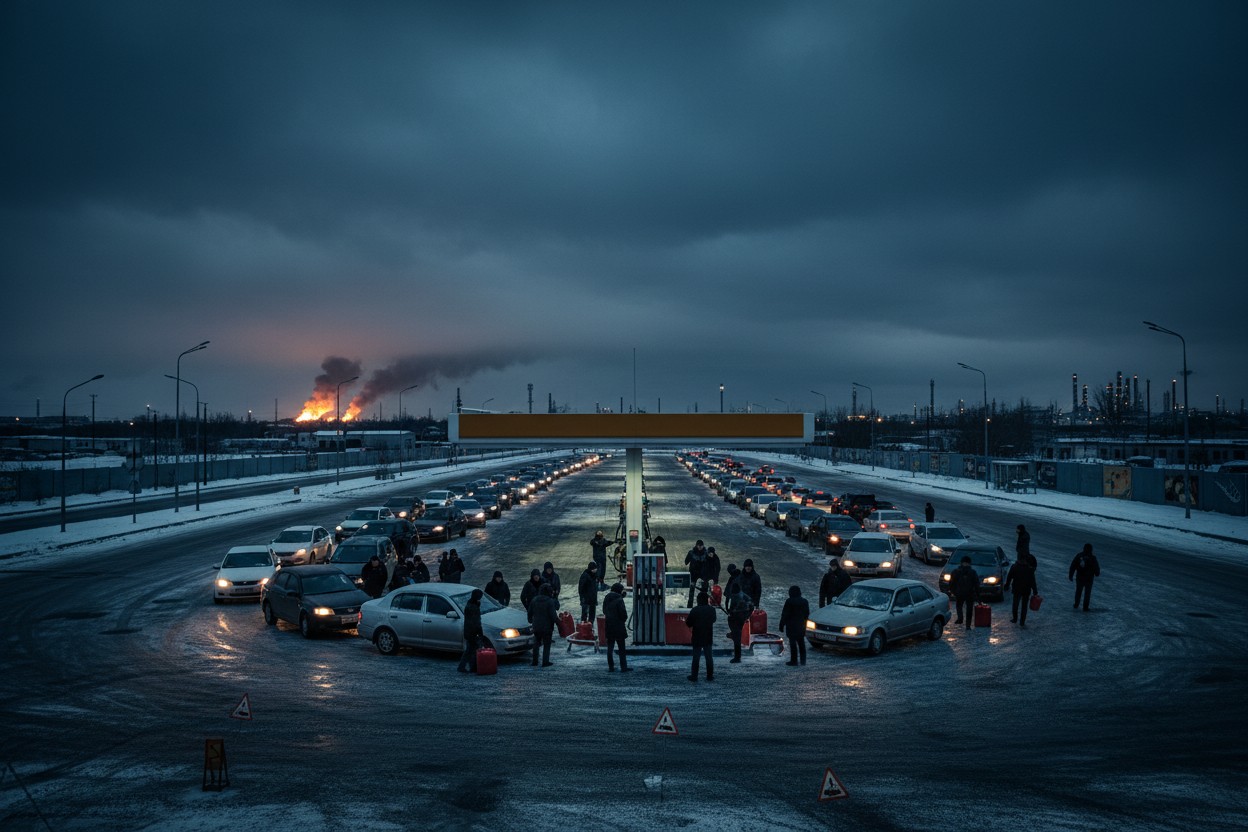
Russian Fuel Shortages Worsen as Ukraine Strikes Hit Refineries; Putin Acknowledges Crisis
By Garrison Vance // Share

China Calls for Unimpeded Passage in Strait of Hormuz Amid Fee Discussions
By Chase Codewell // Share


Study: Late-Night Eating Linked to Higher Risk of Fatty Liver Disease and Cirrhosis
By cocosomers // Share

The sweet scent of health: Exploring the benefits of sweet orange essential oil
By lauraharris // Share

Cholesterol Test May Miss Inflammation-Linked Heart Risks, Study Finds
By chasecodewell // Share

JD Vance Says U.S. Has "Decisively Won" Iran War in Some Ways as Midterms Near
By garrisonvance // Share
Trump Approval Rating Falls to Record Low; Republican Candidates Adjust Midterm Campaigns
By douglasharrington // Share

Lawmakers want an AI pause but can’t say what they’d actually pause
By isabelle // Share