
- Many everyday foods like potatoes, dark chocolate and popcorn offer significant nutritional benefits often overlooked by health-conscious consumers.
- Egg yolks provide essential choline and antioxidants despite years of warnings about dietary cholesterol.
- Coffee consumption of 1-4 cups daily is linked to lower risks of cardiovascular disease, Type 2 diabetes and all-cause mortality.
- Red meat is a valuable source of protein, omega-3s, zinc and iron.
- Frozen vegetables retain equal or greater nutritional value than fresh produce due to processing at peak ripeness.
The potato paradox: A misunderstood superfood
The humble potato has suffered an undeserved reputation as a “white carb” that spikes blood sugar and offers little nutrition. But a medium baked potato with skin contains nearly 25% of a woman’s daily potassium needs and 13% for men, according to dietary guidelines cited by registered dietitian Sarah Anzlovar. Potassium is essential for blood pressure regulation and bone health. Potatoes also deliver fiber, vitamin C and iron. When eaten roasted or baked with the skin on, they become a nutrient-dense staple. The trick is preparation: deep-frying transforms a health food into a problem, but baking preserves its benefits.Redemption: Eggs and dark chocolate are good for you
Egg yolks were once vilified for their cholesterol content, with each yolk containing approximately 225 milligrams. However, the link between dietary cholesterol and cardiovascular risk has been questioned by current research. The yolk is now recognized as one of the best dietary sources of choline, a nutrient critical for brain health that more than 90% of Americans lack. It also contains lutein and zeaxanthin, antioxidants that reduce the risk of age-related macular degeneration. Dark chocolate, meanwhile, offers flavanols that can lower systolic blood pressure by 4 mmHg in hypertensive individuals, according to one analysis. Daily consumption of 2 grams of 70% cacao chocolate for six months improved total cholesterol, triglycerides and LDL cholesterol. The key is choosing chocolate with at least 70% cacao and watching portion sizes to avoid excess sugar.Coffee: Four cups a day keeps the doctor away?
Coffee has moved from suspected health risk to protective beverage. Research shows that 1 to 4 cups daily is associated with lower risks of cardiovascular disease, Type 2 diabetes, certain cancers and all-cause mortality. The benefits stem from high antioxidant content, including chlorogenic acid. However, moderation matters: more than four cups may increase anxiety and gastroesophageal reflux disease risk. The science is clear that coffee is not a guilty pleasure but a legitimate functional food.Red meat and popcorn: Surprising allies in a balanced diet
Lean red meat, when trimmed of visible fat, provides protein, omega-3 fatty acids, vitamin B12, niacin, zinc and iron. In small portions, it has been shown to lower LDL cholesterol. Popcorn, often dismissed as junk food, is a whole grain loaded with fiber and phenolic acids that may support cardiovascular health and reduce cancer risk. The key to keeping popcorn healthy is avoiding excessive butter and salt. Both foods demonstrate that nutritional value depends less on the food itself and more on how it is prepared and consumed.The frozen vegetable advantage
Frozen vegetables often match or exceed the nutritional value of fresh produce because they are picked at peak ripeness and flash-frozen, locking in vitamins. This debunks the belief that fresh is always superior. Stocking frozen vegetables ensures nutrient availability year-round without sacrificing quality.Science replaces fear
The foods once banished from the kitchen are now welcomed back based on evidence. Potatoes, eggs, dark chocolate, coffee, lean red meat, popcorn and frozen vegetables each offer distinct nutritional benefits that outweigh the risks when consumed in proper forms and portions. The historical warning against these staples was based on incomplete science, often ignoring preparation methods and overall diet context. The lesson for today’s health-conscious reader is clear: embrace whole foods, ignore marketing hype and let research—not fear—guide your plate. What was once forbidden is now a foundation of a healthy diet. Sources for this article include: VeryWellHealth.com WebMD.com elior-na.com
The cortisol fix: How 150 minutes of weekly exercise resets your stress biology
By Willow Tohi // Share
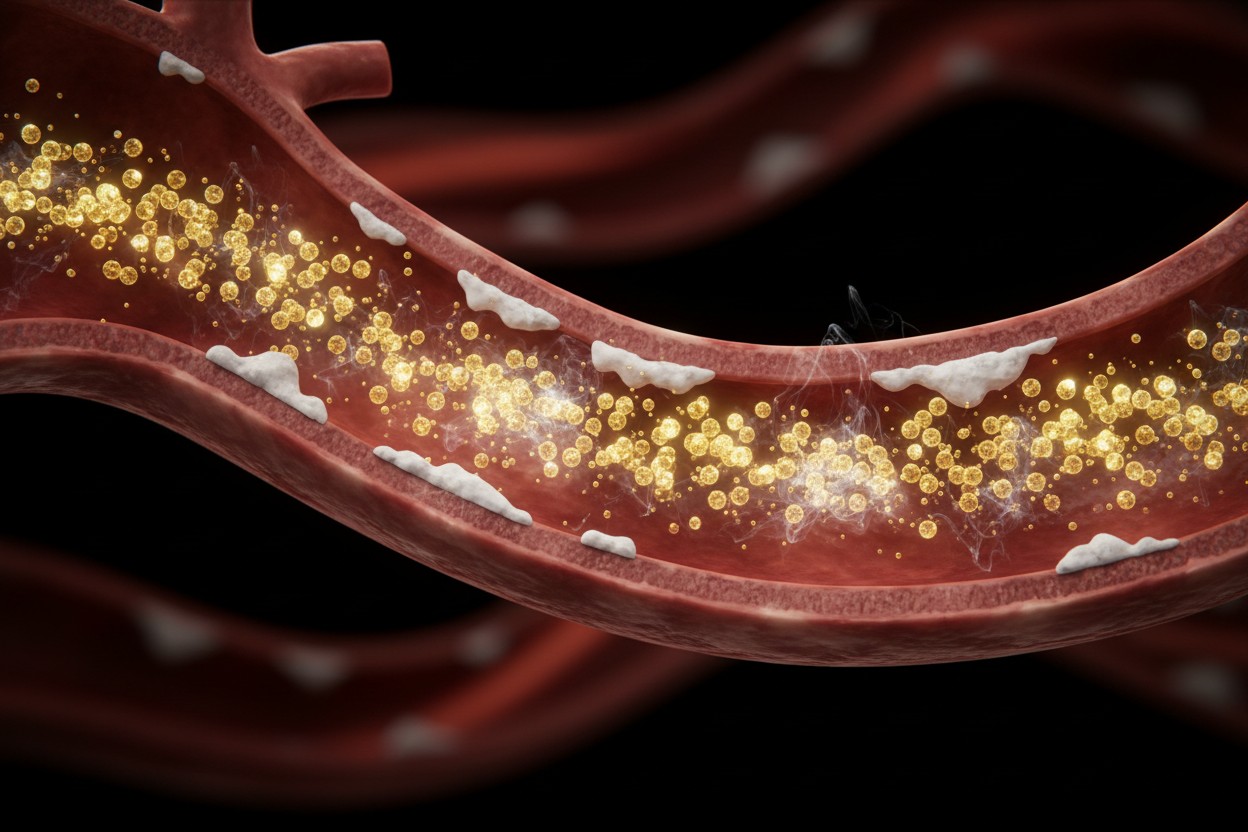
Vitamin K2 Supplement May Slow Artery Calcium Buildup, Study Indicates
By Morgan S. Verity // Share
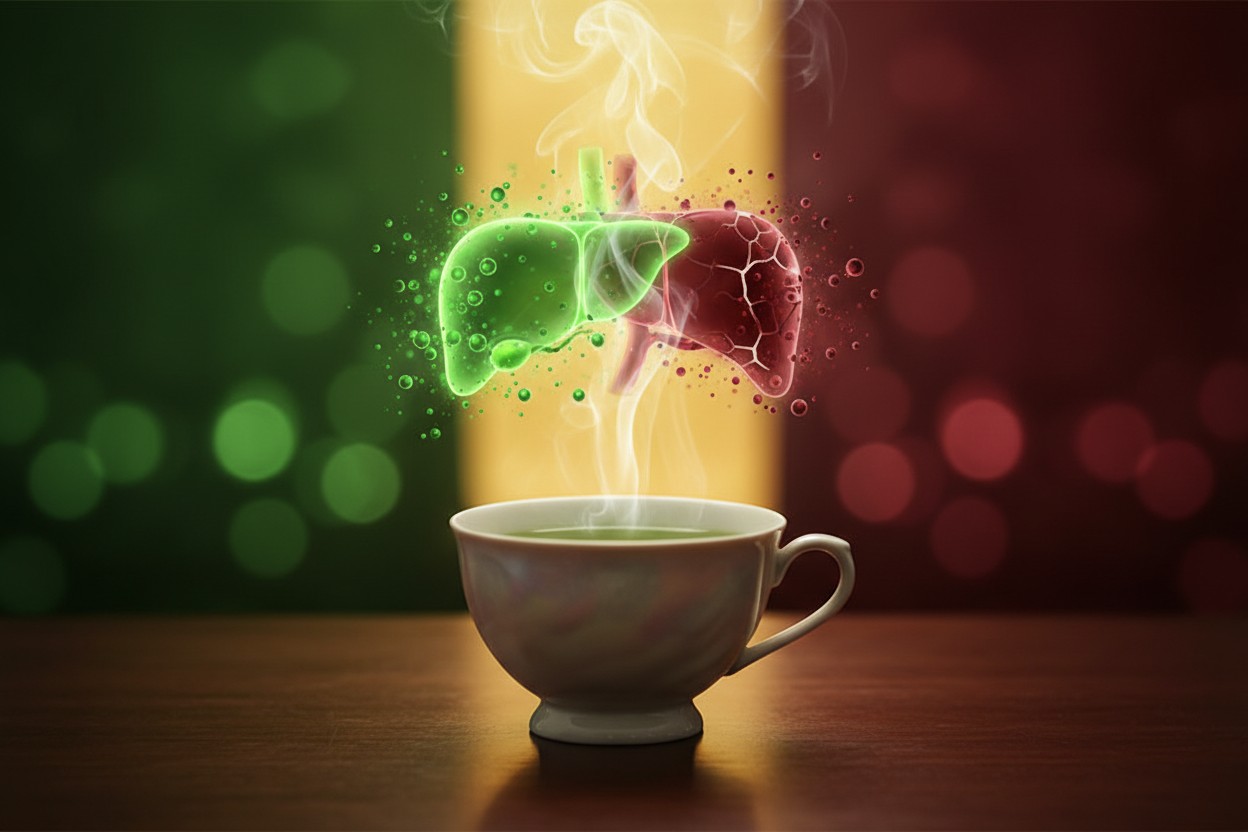
Study Documents Liver Effects of Daily Green Tea Consumption
By Iva Greene // Share

Small machine, big impact: Inside the design of today’s sleek air purifiers
By HRS Editors // Share

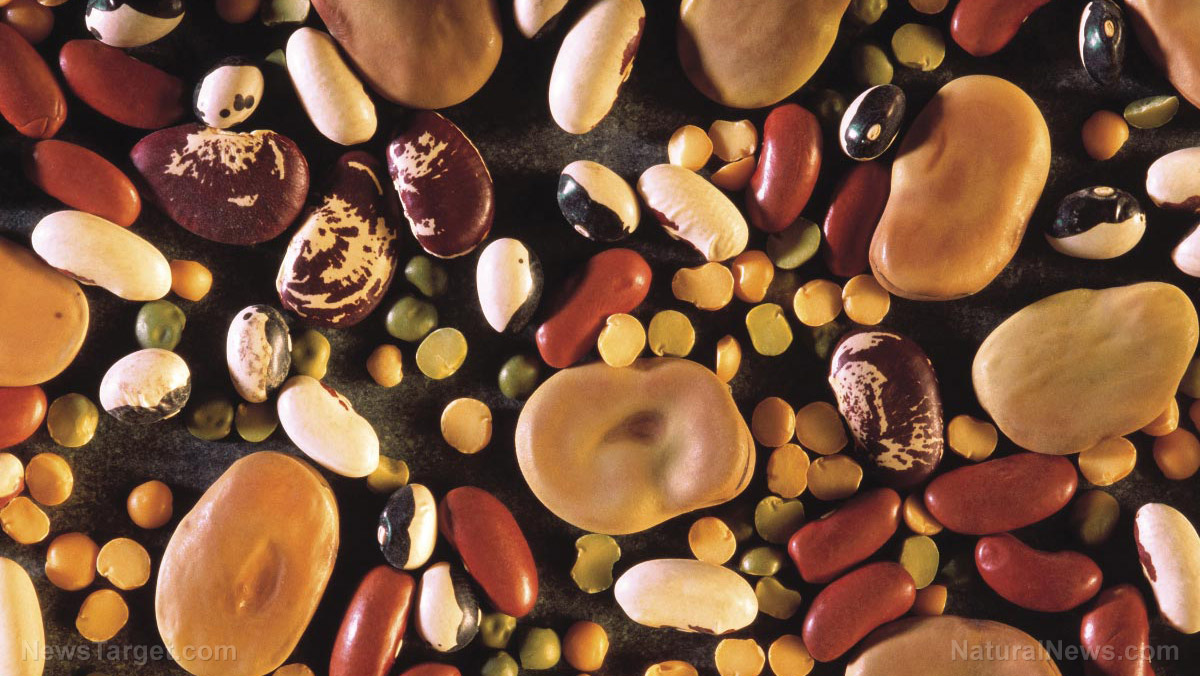
Bone-building on a plate: The calcium-rich legacy of legumes
By Evangelyn Rodriguez // Share
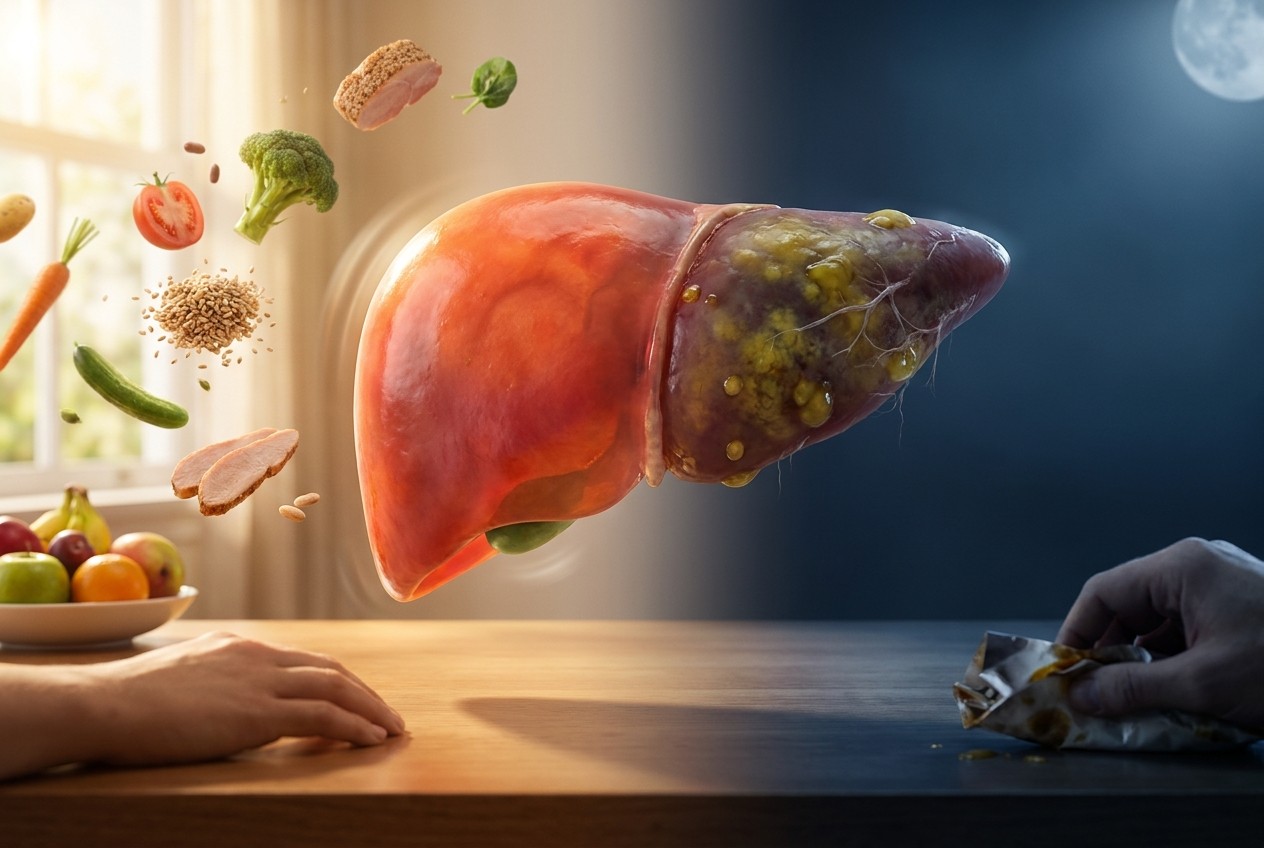
Study: Late-Night Eating Linked to Higher Risk of Fatty Liver Disease and Cirrhosis
By cocosomers // Share
The sweet scent of health: Exploring the benefits of sweet orange essential oil
By lauraharris // Share
Cholesterol Test May Miss Inflammation-Linked Heart Risks, Study Finds
By chasecodewell // Share

JD Vance Says U.S. Has "Decisively Won" Iran War in Some Ways as Midterms Near
By garrisonvance // Share

Trump Approval Rating Falls to Record Low; Republican Candidates Adjust Midterm Campaigns
By douglasharrington // Share

Lawmakers want an AI pause but can’t say what they’d actually pause
By isabelle // Share