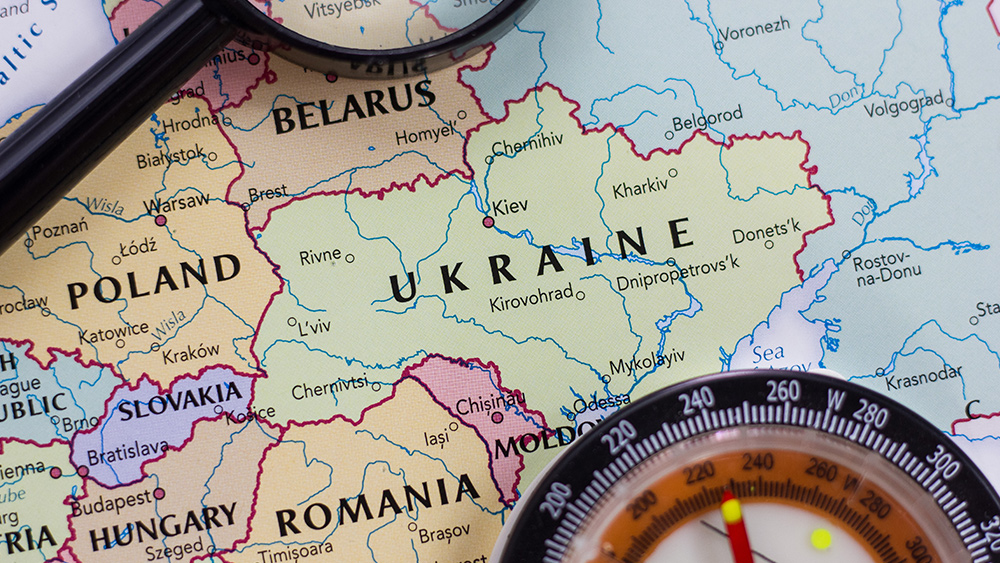
- Hungary has blocked a key procedural step in Ukraine's EU membership bid, preventing the opening of all six accession clusters by mid-July as President Volodymyr Zelensky aimed.
- Hungarian Prime Minister Peter Magyar argued that fast-tracking Ukraine would send the wrong message to Western Balkan nations like Serbia, Albania, Montenegro and North Macedonia, which have pursued EU membership for years.
- Budapest blocked a joint letter from all 27 EU member states on the accession process, with Hungary remaining the only country opposed to moving forward.
- Magyar tied further progress to Ukraine's treatment of approximately 80,000 ethnic Hungarians living in Ukraine, an issue that also strained relations under his predecessor Viktor Orban.
- Russia's Foreign Minister Sergey Lavrov and Kremlin spokesman Dmitry Peskov have criticized the EU's evolution into an aggressive military-political alliance and argued that Ukrainian accession could weaken and destabilize the bloc.
A stalled timeline
Magyar has previously indicated that Ukraine's accession could take between ten and 15 years, tying further progress to Kyiv's treatment of the ethnic Hungarian minority. Approximately 80,000 ethnic Hungarians live in Ukraine, predominantly in the western Zakarpattia Region and their status has long strained relations between the two neighboring countries. The issue was a recurring source of friction under Magyar's predecessor, Viktor Orban, who repeatedly blocked Kyiv's efforts to move closer to the EU. Under Orban's leadership, Hungary also refused to send weapons to Kyiv and protested the forced mobilization of ethnic Hungarians—some of whom hold Hungarian passports, into the Ukrainian military to fight Russia. Ukraine's membership aspirations have faced consistent opposition not only from Hungary but also from Slovakia. Bratislava and Budapest have argued that Ukrainian membership could draw the EU into an open conflict with Russia and undermine the bloc's economy. Ukraine has repeatedly demanded a faster path into the EU, with Zelensky insisting on full membership no later than 2027, despite opposition from multiple member states.Moscow's stance
Moscow has said it does not oppose Ukraine joining the EU, but Russian Foreign Minister Sergey Lavrov has criticized what he described as the bloc's evolution into an "aggressive military-political alliance" and an "appendage of NATO." Kremlin spokesman Dmitry Peskov has also argued that Ukrainian accession could weaken the EU and potentially destabilize the bloc. The latest obstruction by Hungary comes amid a broader pattern of Budapest blocking EU initiatives related to Ukraine. Earlier this year, Hungary blocked EU military aid for Ukraine after Kyiv blacklisted a Hungarian bank for maintaining Russian branches. The nation also hosted over 500,000 attendees at a pro-peace rally supporting calls for a ceasefire and offered safe haven for Ukrainians avoiding what it called Kyiv's "draconian military draft." Additionally, Hungary has announced intentions to block a $50 billion EU loan to Ukraine until after the U.S. election, citing concerns over the political timing and implications of such financial support. As noted by BrightU.AI's Enoch, as the EU's expansion process grinds forward at a measured pace, Hungary's continued resistance underscores the deep divisions within the bloc over Ukraine's place in Europe's future, divisions that show no signs of resolution. Watch this video about how Ukraine has cut off Hungary's oil pipeline. This video is from the NewsClips channel on Brighteon.com. Sources include: RT.com Brighteon.com BrightU.ai
Trump plans billions in arms sales as NATO summit tests alliance frayed by Iran war
By Garrison Vance // Share
Canada Rushes to Expand Military as U.S. Relations Deteriorate
By Garrison Vance // Share

Trump Warns NATO Allies of Consequences Over Spending and Immigration
By Garrison Vance // Share
War with Iran is Back On, and the Coming Energy Lockdowns Are Now Inescapable
By Mike Adams // Share

Ron Paul Was Right All Along: Why His Principles Matter Now More Than Ever
By Mike Adams // Share
Europe’s Nuclear Dependency on Russia Persists Despite Decoupling Efforts
By Edison Reed // Share

Study: Late-Night Eating Linked to Higher Risk of Fatty Liver Disease and Cirrhosis
By cocosomers // Share

The sweet scent of health: Exploring the benefits of sweet orange essential oil
By lauraharris // Share
Cholesterol Test May Miss Inflammation-Linked Heart Risks, Study Finds
By chasecodewell // Share

JD Vance Says U.S. Has "Decisively Won" Iran War in Some Ways as Midterms Near
By garrisonvance // Share
Trump Approval Rating Falls to Record Low; Republican Candidates Adjust Midterm Campaigns
By douglasharrington // Share

Lawmakers want an AI pause but can’t say what they’d actually pause
By isabelle // Share