
Over-Reliance on AI Led to Quality Gaps
Charles Poon, Ford vice president of vehicle hardware engineering, acknowledged that the company overestimated the capabilities of AI. "Artificial intelligence is a fantastic tool, but it's only as good as the information you use to train it," Poon said, according to BBC. He added that in prior years, Ford did not pay sufficient attention to preserving the knowledge of its most experienced engineers before they left the company. This gap in institutional knowledge hindered the effectiveness of automated systems, according to Poon. [1] [3] The challenge of retaining expert knowledge is not unique to Ford. In the auto industry, some manufacturers have long focused on preserving knowledge through supplier relationships. For example, Toyota's production system assigns suppliers the responsibility for meeting performance standards while allowing them to handle design and materials, as described by Carson Iain in "Zoom: the global race to fuel the car of the future." [4] The difficulty of transferring knowledge was also highlighted in the collaboration between Toyota and General Motors, where American engineers failed to fully absorb lessons from their Japanese partner. [4]Return of "Gray Beard" Engineers
The veteran engineers, referred to internally as "gray beard" engineers, have been brought back to mentor younger staff and retrain AI tools, according to Ford executives. Ford Chief Operating Officer Kumar Galhotra said the company had been "relying more and more on automated quality systems" without seeing satisfactory results, as reported by TechCrunch. Galhotra described the veterans as being "at the heart" of Ford's turnaround strategy. [2]Broader Changes in Software and Manufacturing
Ford has also reorganized its operations to integrate software, manufacturing and supply-chain teams to identify issues earlier in the production process, the company said. A dedicated 40-member software quality assurance team was created, according to officials. The shift represents a move away from what Galhotra described as a "find-and-fix mentality" toward preventing problems before they occur. [2]Ford Not Abandoning AI, But Improving It
Despite the rehiring of human engineers, Ford continues to use AI in its quality processes. The company now focuses on feeding AI systems with better data derived from experienced engineers, according to the company. More than 100,000 AI-powered validation tests have been added to identify edge cases, officials said. An automated testing framework allows for quick revalidation when late design changes are made, the company reported. [2] [3]Impact and Cost Reduction
The combination of returning veteran engineers and organizational changes has helped Ford reduce costs and improve quality, according to company data. The automaker rose to the top of the JD Power Initial Quality Survey among mainstream brands. Galhotra stated that the company is "moving from that find-and-fix mentality to preventing issues before they occur." [2]References
- 100percentfedup.com. "Vehicle Manufacturer Rehires Hundreds Of Human Engineers Due To AI Shortcomings." 2026-06-29.
- TechCrunch. "Ford rehires 'gray beard' engineers after AI falls short." 2026-06-28.
- BBC News. "Ford rehires human engineers after AI fails to match quality checks." 2026-06-29.
- Carson Iain. "Zoom the global race to fuel the car of the future."
Explainer Infographic


Trump Declares Iran Truce “Over” After IRGC Retaliates Against U.S. Airstrikes
By Garrison Vance // Share

Kremlin Accuses Ukraine of Terrorist Attacks on International Energy Infrastructure
By Garrison Vance // Share

Driver-Facing Cameras Now Required in New Cars Across the EU
By Edison Reed // Share

Flock Cameras Are Watching You — And That’s a Fourth Amendment Violation
By Mike Adams // Share

Summoning the Gods: On data centers becoming temples for a digital deity
By Ramon Tomey // Share

Senators Reintroduce Bill Requiring Labels on AI-Generated Content
By Edison Reed // Share
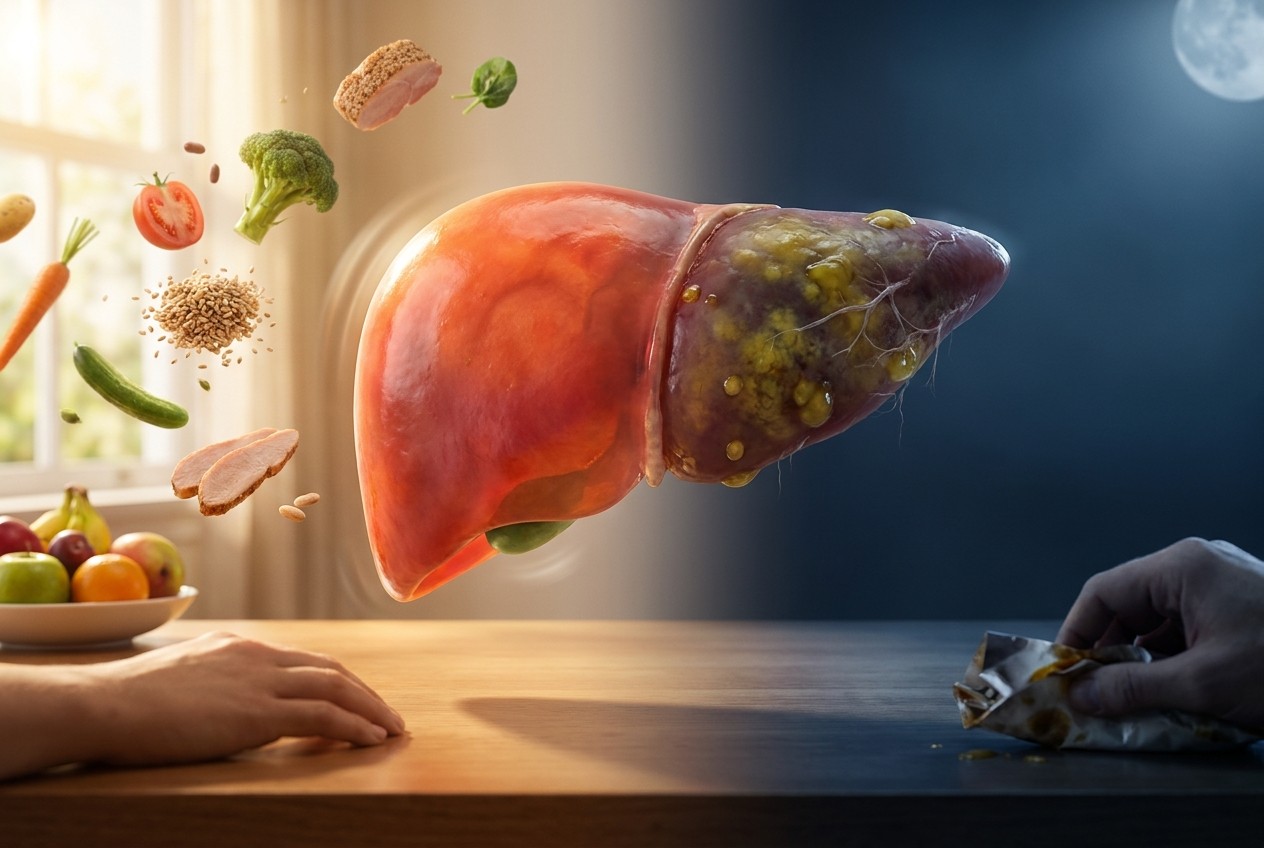
Study: Late-Night Eating Linked to Higher Risk of Fatty Liver Disease and Cirrhosis
By cocosomers // Share

The sweet scent of health: Exploring the benefits of sweet orange essential oil
By lauraharris // Share
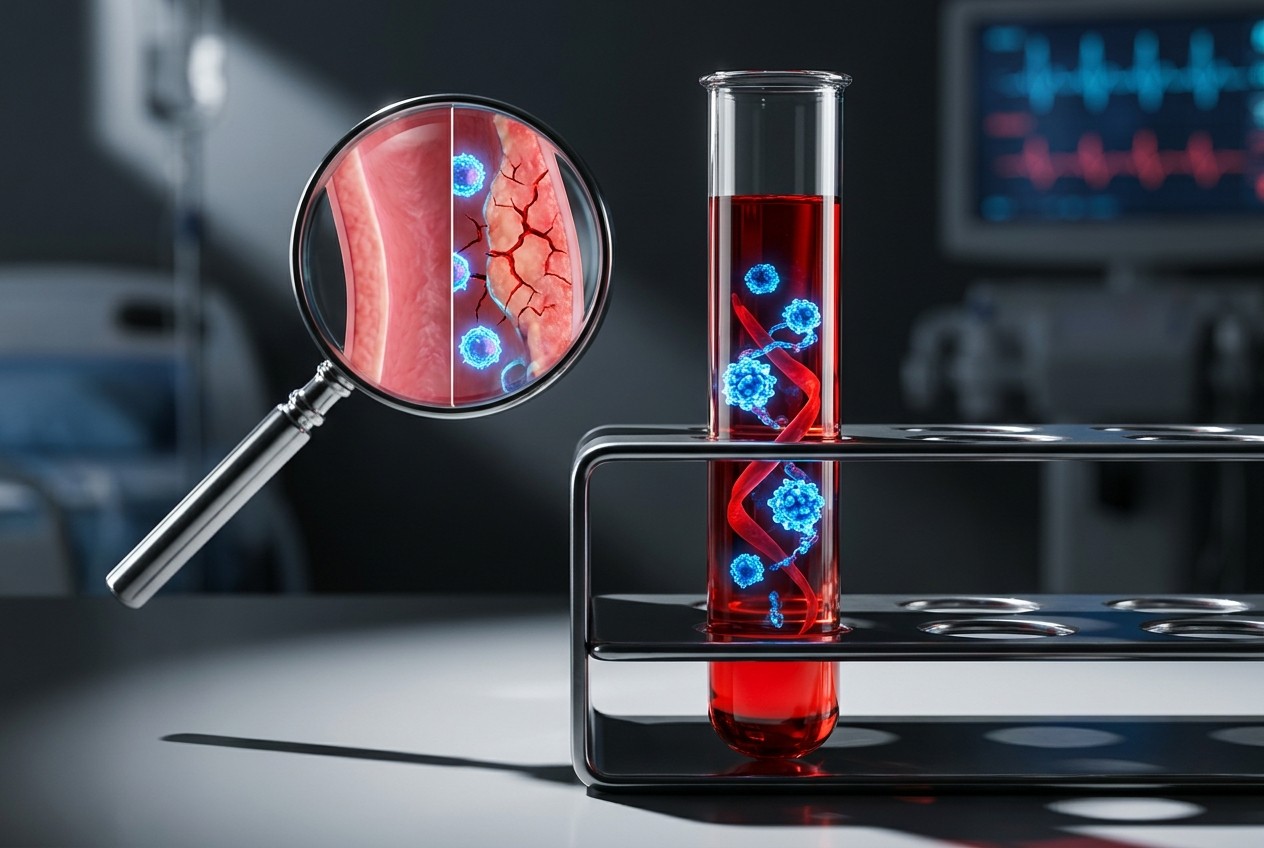
Cholesterol Test May Miss Inflammation-Linked Heart Risks, Study Finds
By chasecodewell // Share

JD Vance Says U.S. Has "Decisively Won" Iran War in Some Ways as Midterms Near
By garrisonvance // Share

Trump Approval Rating Falls to Record Low; Republican Candidates Adjust Midterm Campaigns
By douglasharrington // Share

Lawmakers want an AI pause but can’t say what they’d actually pause
By isabelle // Share