
- Iran's interim peace deal with the U.S. faces collapse as missile strikes disrupt the Strait of Hormuz reopening and oil prices surge above $100.
- Technical teams plan Doha talks this week amid conflicting signals from Tehran, which denies meetings are scheduled.
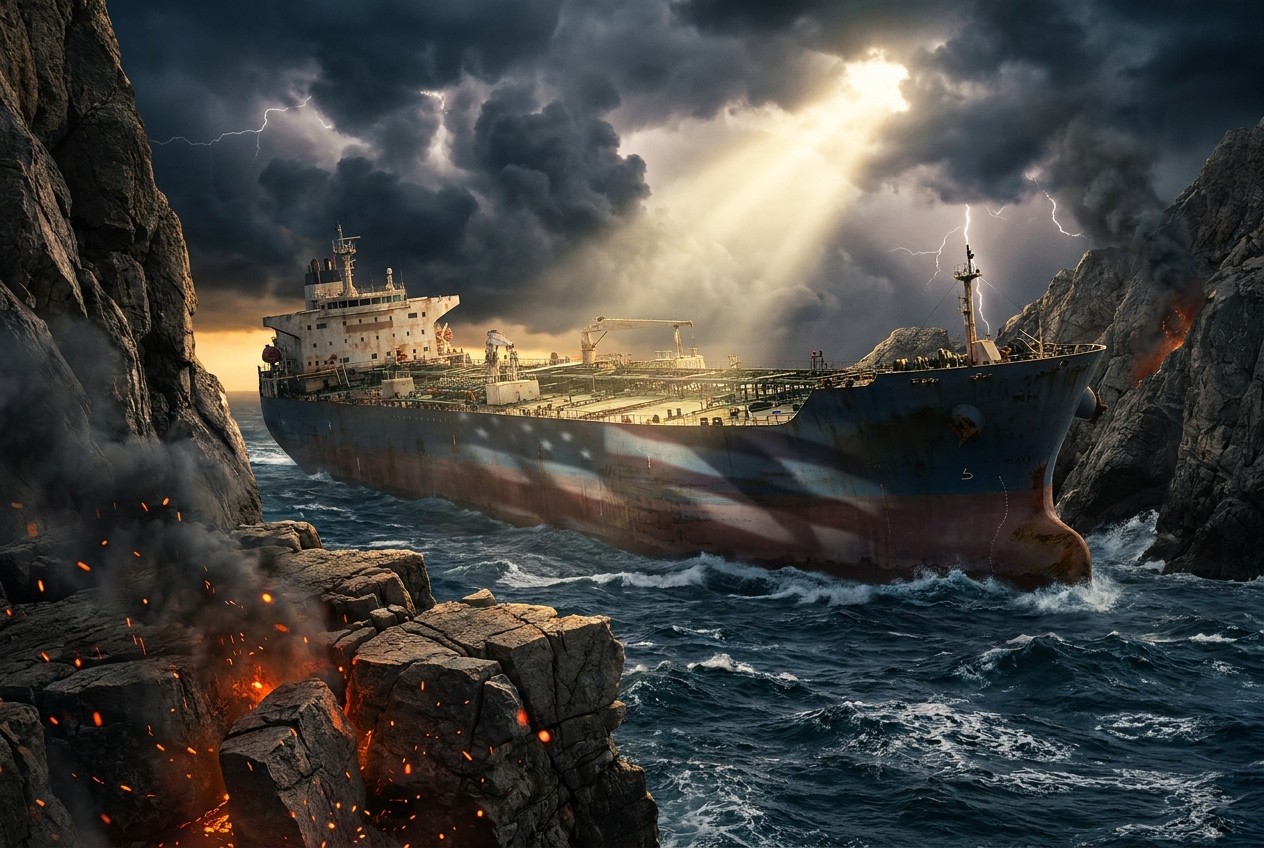
- Iran uses control of the strait as leverage, threatening transit fees and blocking ships while demanding frozen assets be released.
- The U.S. accuses Iran of hitting commercial ships, while Iran retaliated with strikes on U.S. military sites in Kuwait and Bahrain.
- Critics question what the costly conflict achieved, as Iran retains strait control, sanctions relief, and diplomatic leverage.
A deal under duress
Under the 14-point memorandum signed last month, Washington and Tehran gave themselves at least 60 days to build on an April ceasefire, work through Iran's nuclear program and hammer out a lasting truce. That timeline has already proven shaky, with both sides accusing each other of breaking the terms. The weekend's back-and-forth strikes — beginning with Iran striking a vessel in the Strait of Hormuz on Thursday, followed by U.S. military retaliation — underscored just how easily the deal could unravel. Trump confirmed on Truth Social early Monday that "Iran has requested a meeting. It will take place tomorrow in Doha." White House press secretary Karoline Leavitt told Fox News that envoys Steve Witkoff and Jared Kushner would fly to Qatar this week for high-level meetings alongside technical talks. "As far as we're concerned, we're holding up our end of the ceasefire. Violence will be met with violence," Leavitt added.Conflicting signals
Yet Iran's deputy foreign minister, Kazem Gharibabadi, said Monday (before Trump's post) that technical working group meetings were not scheduled for this week, according to Iran's Tasnim news agency. Foreign Ministry spokesperson Esmaeil Baghaei also said Tehran would not hold "any negotiation meetings at any level with the American side in the coming days." The disagreement over whether the sides would even meet underscored the fragility of the entire arrangement. A senior Iranian official, however, told Reuters there would be a meeting in Doha on Tuesday, focused on managing the Strait of Hormuz and de-escalating tensions. Unlike previous technical talks between Tehran and Washington in Switzerland, the emphasis would be on the waterway itself. Another official said technical teams from both sides are expected to meet separately with Qatari and Pakistani mediators on Wednesday.Iran's leverage and frozen assets
Iranian President Masoud Pezeshkian said Monday that $6 billion out of $12 billion of assets frozen in Qatar would be released and returned to Iran under the accord. He described the memorandum, which includes waivers for sanctions on Iran's oil and petrochemical sectors, as "a great victory for the Iranian people." A senior Iranian source said Doha and Tehran were in the final stages of working out details for release of the first $6 billion, to be paid in two tranches. Tehran, meanwhile, is using its grip on the strait as a bargaining chip, threatening to charge transit fees and warning it will block ships that wander off Iranian-designated routes. The U.S. has accused Iran of hitting at least two commercial ships with missiles or drones in recent days. Iran, in turn, launched missiles and drones at U.S. military sites in Kuwait and Bahrain early Sunday. Top Senate Democrat Chuck Schumer called a briefing by Witkoff and Secretary of State Marco Rubio "deficient, and devoid of details." "After dragging America into a costly war, the Trump administration still can't name a single thing Americans got in return. Instead, Secretary Rubio confirmed to me that Iran will reap billions in oil revenue while retaining dangerous leverage over the Strait of Hormuz," Schumer said.A costly entanglement
Schumer's complaint, however partisan, points to a question many Americans have been asking for months: what exactly did four months of war and billions in military spending actually buy? Iran still controls the strait. Tehran is still collecting frozen assets and sanctions relief. And Washington is now relying on the goodwill of Doha, Paris and Islamabad just to keep two delegations talking. With inflation still squeezing household budgets at home, the price tag on this conflict — in dollars and in diplomatic leverage handed to Tehran — deserves more scrutiny than it's getting in Washington. Sources for this article include: Independent.ie Reuters.com CNN.com
Netherlands Says It Has No More Weapons to Send to Ukraine
By Garrison Vance // Share
India Considers Resuming Iranian Crude Purchases if U.S. Extends Sanctions Waiver
By Garrison Vance // Share
Study Links Long-Term Air Pollution Exposure to Arterial Plaque Buildup
By Iva Greene // Share
Analysis: Military Strikes May Strengthen Iran’s Internal Cohesion, Defying Expectations
By Garrison Vance // Share

Conscription riots in Ukraine expose a collapsing military recruitment system built on abduction
By Lance D Johnson // Share

GLP-1 Use Reaches Record High as Access Broadens, New Data Shows
By Morgan S. Verity // Share

Study: Late-Night Eating Linked to Higher Risk of Fatty Liver Disease and Cirrhosis
By cocosomers // Share

The sweet scent of health: Exploring the benefits of sweet orange essential oil
By lauraharris // Share

Cholesterol Test May Miss Inflammation-Linked Heart Risks, Study Finds
By chasecodewell // Share
JD Vance Says U.S. Has "Decisively Won" Iran War in Some Ways as Midterms Near
By garrisonvance // Share

Trump Approval Rating Falls to Record Low; Republican Candidates Adjust Midterm Campaigns
By douglasharrington // Share

Lawmakers want an AI pause but can’t say what they’d actually pause
By isabelle // Share