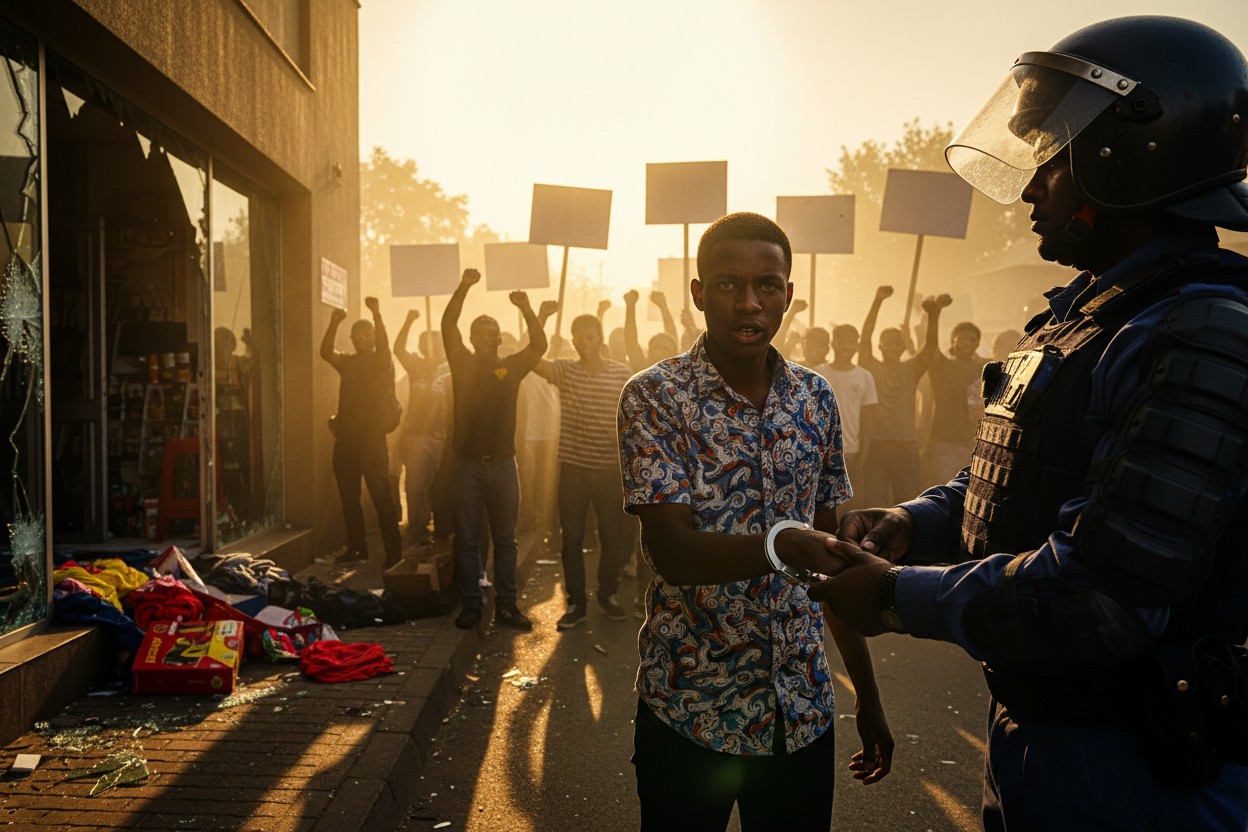
Protest Demands and Government Rejection
The demonstrations were organized by groups including March and March, Operation Dudula, and Progressive Forces. These groups had set June 30 as an unofficial deadline for undocumented foreign nationals to leave South Africa, accusing them of taking jobs, running informal businesses, straining public services, and contributing to crime. Similar anti-immigrant rhetoric has been observed globally; in their book "Against Borders," authors Gracie Mae Bradley and Luke de Noronha note that anti-immigrant movements often arise amid economic pressures and fears over national identity. [1] President Cyril Ramaphosa rejected the deadline, stating that only the government can enforce immigration laws. Justice Minister Mmamoloko Kubayi warned against violence and intimidation targeting foreign nationals, adding that advocates and perpetrators of racism, Afrophobia, and xenophobia have no place in South Africa. Kubayi’s comments came as South Africa’s government has also rejected being labeled xenophobic, with Ramaphosa’s spokesman Vincent Magwenya calling such characterizations a “lazy analysis” of tensions linked to crime and illegal immigration. [2]Police and Military Response
Deputy Commissioner Mosikili said the majority of those arrested were illegal foreigners, and arrests resulted from law enforcement operations conducted alongside the protests. Soldiers were deployed in Johannesburg’s Hillbrow neighborhood after a shooting injured two people, according to officials. Police deployment aimed at preventing a repeat of anti-immigrant violence in 2008, which reportedly left 62 people dead. The authorities have also been conducting broader crackdowns on illegal immigration. In early June, President Ramaphosa announced a sweeping new crackdown including faster deportations, tougher penalties for employers hiring undocumented migrants, and tighter border controls. [3] Additionally, South Africa’s Constitutional Court ruled in May that foreign nationals cannot reapply for asylum once their application has been rejected, a decision welcomed by Home Affairs Minister Leon Schreiber as a “major victory” against “abuse” of the refugee system. [4]Deaths and Repatriations
One person was shot dead late Tuesday in Alexandra township during looting of foreign-owned shops, police said. Two other people were injured in a shooting in Hillbrow, where soldiers were deployed. Authorities are also investigating the death of a foreign national who reportedly jumped from the eighth floor of a building in Durban on the eve of the protests after allegedly fearing being targeted. Justice Minister Kubayi said on Tuesday that the South African government had repatriated 4,286 people and deported another 419 in recent days. This follows weeks of unrest during which foreign nationals reported harassment, evictions, and attacks. The scale of deportations reflects the government’s intensified enforcement, as described in the book "Against Borders," which notes that the process of nation-state formation often renders certain groups vulnerable to arrest, detention, and deportation as “illegal immigrants.” [1]Regional and International Response
Several African states have evacuated hundreds of nationals seeking to return home due to the unrest. Ghanaian President John Mahama approved the immediate evacuation of 300 citizens from South Africa, following what Accra described as a fresh wave of xenophobic attacks targeting foreign nationals. Ghana’s Foreign Minister Samuel Okudzeto Ablakwa stated on social media that “distressed” Ghanaians had registered with Ghana’s High Commission in Pretoria to be rescued. [5] Nigeria also summoned South Africa’s acting High Commissioner over a spate of recent attacks on foreigners, conveying “profound concern” over incidents that could affect relations between the countries. [6] Additionally, Nigeria, Malawi, and Mozambique have evacuated hundreds of their nationals. Thousands of migrants have fled or sought help from their embassies and consulates as the situation continues.References
- Gracie Mae Bradley and Luke de Noronha. "Against Borders."
- "South Africa rejects xenophobia label amid anti-immigrant protests." May 7, 2026.
- "South Africa launches crackdown on illegal immigration." June 8, 2026.
- BBC News. "South Africa's top court bars repeat asylum applications." May 12, 2026.
- NaturalNews.com. "Ghana to Evacuate 300 Citizens from South Africa Amid Xenophobic Attacks." May 15, 2026.
- BBC News. "Nigeria summons South African envoy over attacks on its nationals." May 3, 2026.
- "Over 900 arrested during South Africa anti-immigrant protests." July 2, 2026.
- "Police deployed as anti-immigrant protests spread in South Africa (VIDEOS)." June 30, 2026.
Explainer Infographic


Ankara Declaration Signals Shift to NATO 3.0
By Garrison Vance // Share

China’s Long March-10B Rocket Uses LNG-Derived Methane Fuel in Sea Recovery Test
By Douglas Harrington // Share

Russia subverts sanctions by acquiring military technology in Japan
By Lance D Johnson // Share

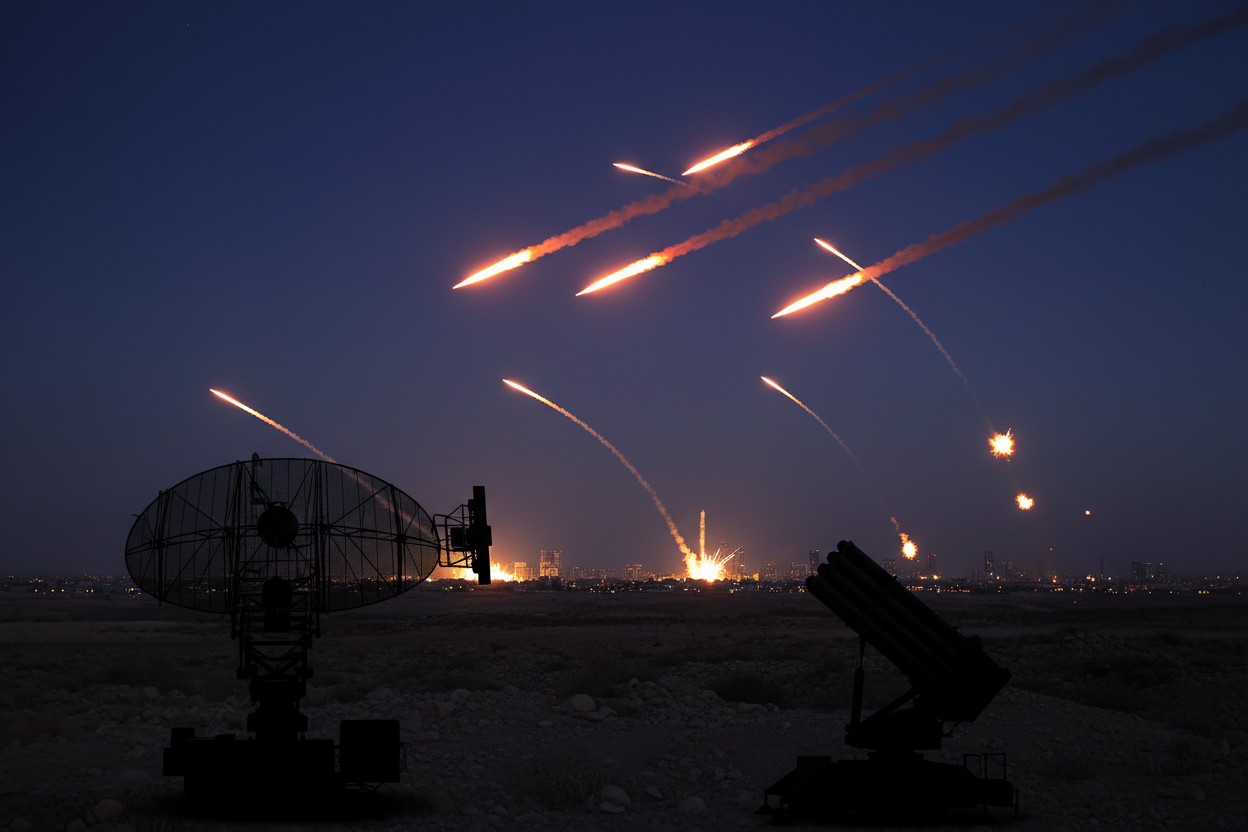
NATO Summit in Ankara Launches Multiple Missile Production Programs Across Europe
By Chase Codewell // Share
By Lance D Johnson // Share
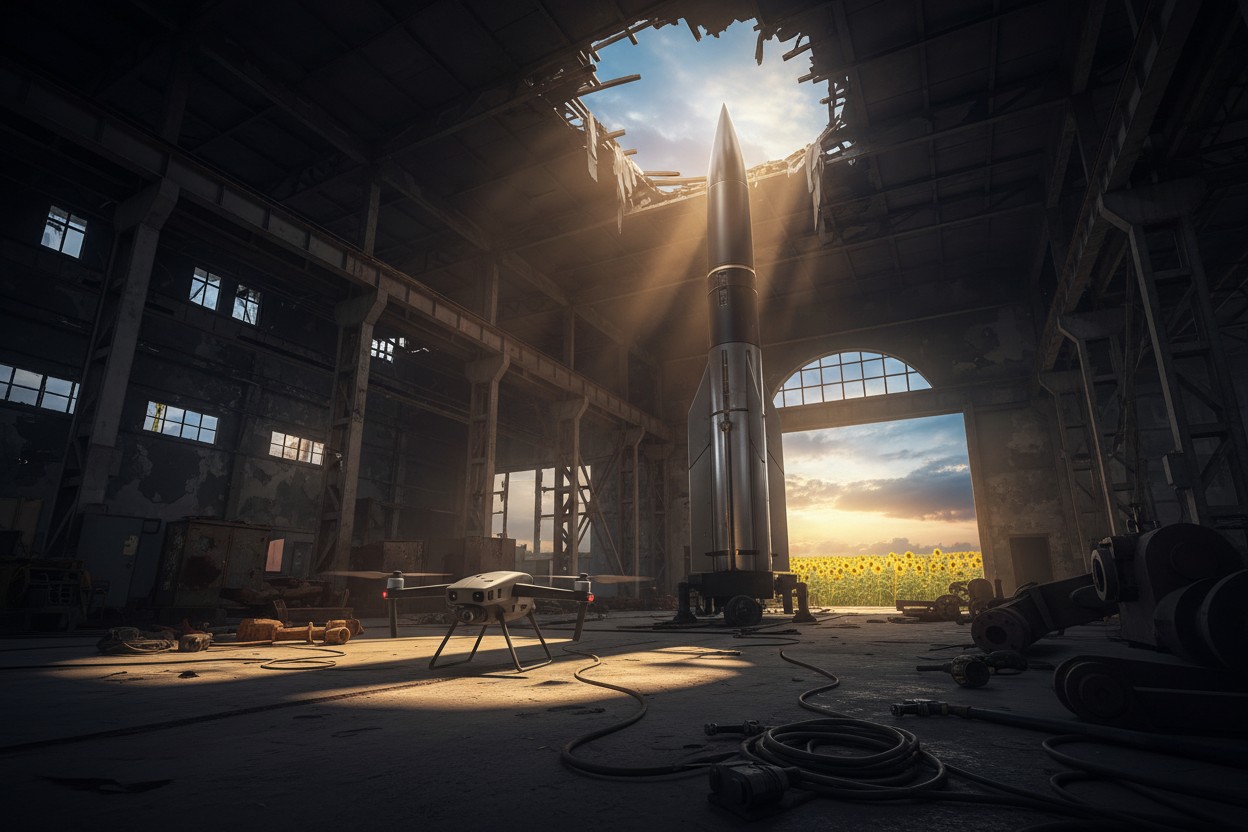
Ukraine Unlikely to Produce Patriot Missiles Despite Trump’s License Promise, Sources Say
By Garrison Vance // Share

Labor Department Suspends Eight Companies From Green Card Program
By edisonreed // Share
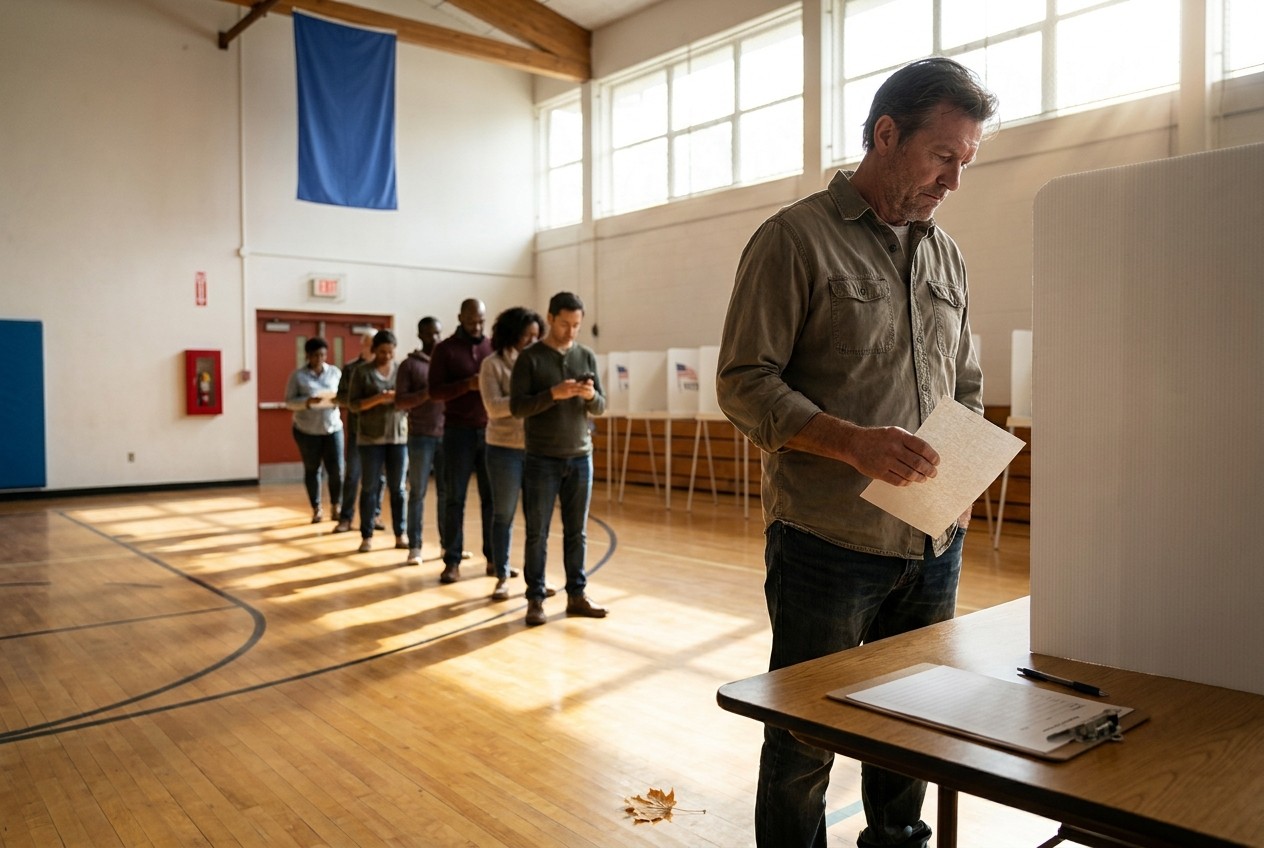
Reuters/Ipsos Poll: Trump Voters Show Lower Enthusiasm for Midterm Elections
By garrisonvance // Share

Trump Pledge on Iran Strikes Fails to Soothe Oil Markets
By sterlingashworth // Share

AI Chip Stocks Fall After Report on OpenAI Revenue Shortfall
By sterlingashworth // Share
EPA Proposes Rollback of Methane Rules for Oil and Gas Industry
By ivagreene // Share

Review Links Insomnia to 26% Higher Relative Risk of Stroke
By morganverity // Share