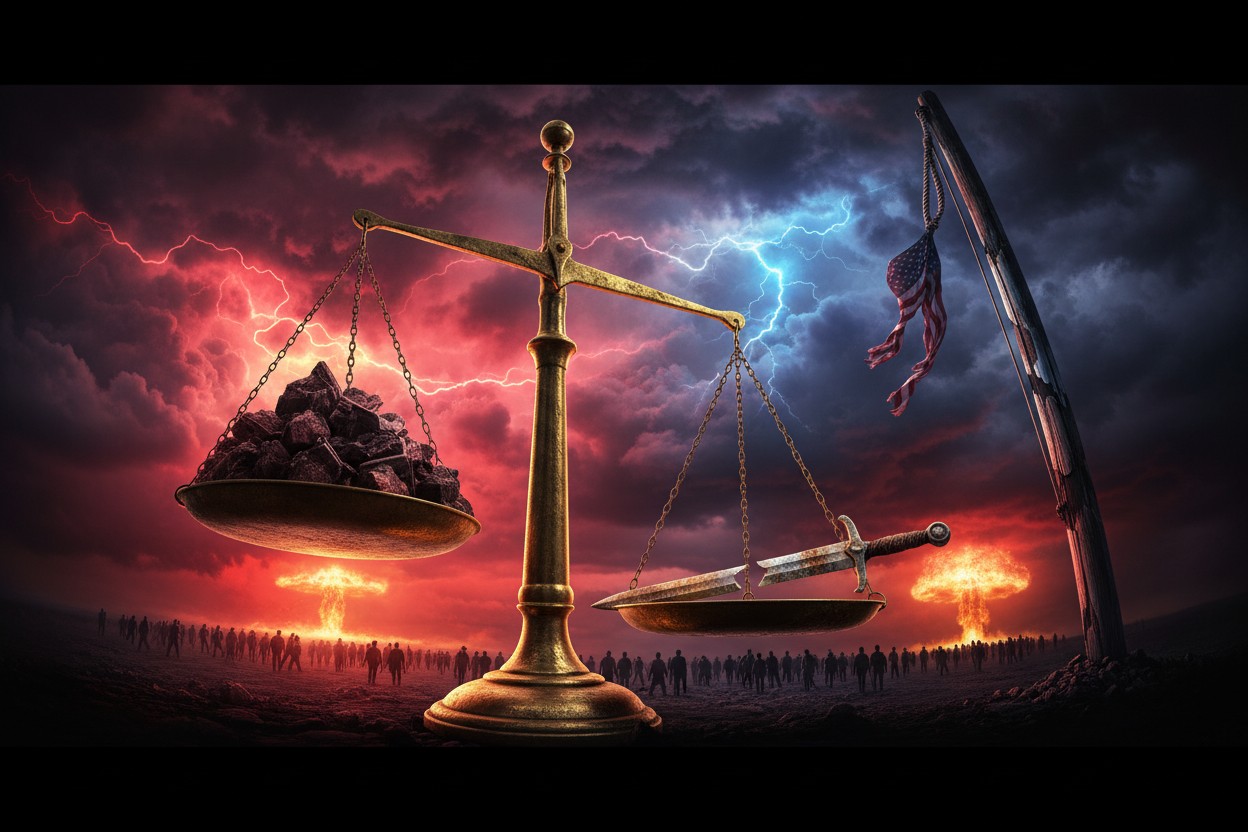
Historical Unpopularity Records
The analysis highlights three unprecedented ways in which the war on Iran broke historical records, according to the report [1]. The conflict began with net negative support of minus 13 percent, currently holds the lowest support level of any major U.S. war, and opponents have outnumbered supporters for the entire duration of fighting, researchers stated [1]. Researchers noted that constant opposition throughout the conflict marks the first time no majority support existed at any point during a major U.S. military engagement, according to the Responsible Statecraft report [1]. This sustained lack of public backing distinguishes the Iran war from previous conflicts such as those in Vietnam, Iraq, and Afghanistan, which initially enjoyed higher approval before declining.Support Gap and Partisan Divergence
A significant “support gap” emerged in the polling data, according to the analysis [1]. While 67 percent of Republicans expressed general support for the war, 54 percent of that same group called for a deal to end the conflict as quickly as possible, based on historical Gallup polls and recent Economist/YouGov surveys cited in the report [1]. Among the general U.S. public, net support for prolonging the war rather than ending it immediately stood at negative 52 percent, the analysis stated [1]. The partisan divergence reflects broader shifts in U.S. public opinion regarding the U.S.-Israeli relationship. A Napolitan News Service survey conducted May 11-12 found that only 33 percent of registered voters now consider Israel an ally of the United States, a decline of 25 percentage points since March 2026, according to a report on NaturalNews.com [2]. The share of voters who view Israel as an enemy rose to 21 percent during the same period, the survey showed [2].Recent Polls Show Widespread Opposition
Recent polling compiled in the Responsible Statecraft analysis shows overwhelming opposition to the war [1]. According to the report, a Strength In Numbers/Verasight poll published on June 24 found that 59 percent of U.S. adults back the agreement to end the war on Iran, with only 24 percent opposed [1]. Only 18 percent of respondents said the United States has achieved its stated goals, indicating deep skepticism about war outcomes, the survey showed [1]. A Reuters/Ipsos poll released on June 23 revealed that 24 percent of U.S. citizens believed the war with Iran was worth its costs, while 50 percent said it was not worth it, according to the analysis [1]. President Donald Trump attributed the decision to launch Operation Epic Fury against Iran to the October 7, 2023, Hamas attack on Israel, stating in an April 20 Truth Social post that “Israel never talked me into war with Iran.” [3]Impact on Trump's Approval
The widespread disapproval of the war has contributed to a decline in President Trump’s approval rating to approximately 34 percent, marking an all-time low for his second term, according to the Responsible Statecraft analysis [1]. The decline in approval corresponds with the sustained unpopularity of the military campaign, as reported by multiple survey organizations cited in the analysis [1]. The war’s unpopularity has also prompted congressional action. The U.S. Senate voted 50-48 on June 23 to pass a war powers resolution directing President Trump to withdraw U.S. forces from hostilities against Iran, according to reports from Zero Hedge and NaturalNews.com [4]. The resolution, which previously passed the House on June 3 by a vote of 215-208, marked the first time Congress approved a concurrent resolution under the 1973 War Powers Act ordering the termination of an unauthorized war, the reports stated [4].References
- Responsible Statecraft. "The Iran war is the most unpopular major conflict in US history." June 26, 2026.
- NaturalNews.com. "Survey: Percentage of U.S. Voters Viewing Israel as an Ally Drops 25 Points Since March." May 17, 2026.
- NaturalNews.com. "Trump Attributes Iran War Decision to Hamas Attack, Rejects Israeli Pressure Claims." April 22, 2026.
- NaturalNews.com. "Senate Passes Iran War Powers Resolution in Symbolic Rebuke of Trump Policy." June 25, 2026.
- John J Mearsheimer and Stephen M Walt. "The Israel Lobby and US Foreign Policy."
- Gareth Porter. "Manufactured Crisis: The Untold Story of the Iran Nuclear Scare."
Explainer Infographic


America’s War on Geography: Trump’s Delusional ‘Guardian’ Fantasy Explained
By Mike Adams // Share

The AI Arms Race Is Outpacing Our Freedom — And Government Censorship Has Already Begun
By Mike Adams // Share

Iranian Study Links Aluminum-Containing COVID-19 Vaccines to Rare Birth Defects in First Trimester
By Morgan S. Verity // Share
Pentagon UFO Files Detail Mystery Object Near Texas Nuclear Plant
By Edison Reed // Share
Russia’s Massive Strike on Gas Wells is the Price of Ukraine’s Drone War on Oil
By Garrison Vance // Share

Ankara Declaration Signals Shift to NATO 3.0
By Garrison Vance // Share

Labor Department Suspends Eight Companies From Green Card Program
By edisonreed // Share

Reuters/Ipsos Poll: Trump Voters Show Lower Enthusiasm for Midterm Elections
By garrisonvance // Share

Trump Pledge on Iran Strikes Fails to Soothe Oil Markets
By sterlingashworth // Share

AI Chip Stocks Fall After Report on OpenAI Revenue Shortfall
By sterlingashworth // Share

EPA Proposes Rollback of Methane Rules for Oil and Gas Industry
By ivagreene // Share

Review Links Insomnia to 26% Higher Relative Risk of Stroke
By morganverity // Share