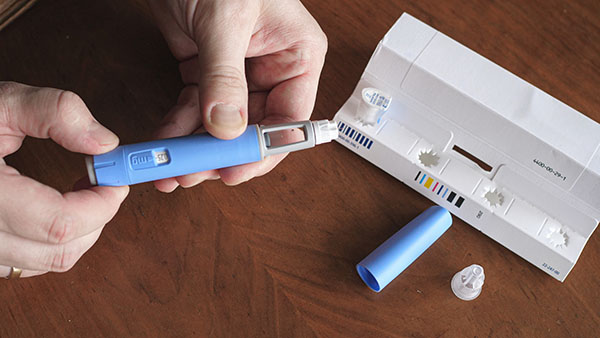
- Wegovy and Mounjaro produce significant weight loss but fail to meaningfully improve quality of life or long-term health.
- Greater weight loss from these drugs comes with higher rates of side effects, muscle loss, and patient dropout.
- Only injectable semaglutide and tirzepatide showed limited cardiovascular benefits, with no drug improving quality of life.
- Most patients regain weight after stopping treatment, and half of Wegovy users quit within a year due to side effects or cost.
- Researchers urge individualized treatment decisions balancing benefits, harms, costs, and patient preferences over industry marketing.
Bigger weight loss brings bigger trade-offs
Greater weight loss consistently came with greater harm. Participants reported stomach and bowel symptoms, fatigue, and loss of lean muscle mass, and the improvements faded once treatment stopped. That matters, because trial data show patients regain much of the lost weight after quitting; those in the STEP-1 extension put back roughly two-thirds of what they had shed. And staying on the drugs is far from guaranteed: a Danish population study found about half of Wegovy users had stopped within a year, often over side effects or cost. Compared with lifestyle changes alone, tirzepatide produced 14.9% weight loss after one year, followed by CagriSema at 14.8%, oral semaglutide at 10.9%, and injectable semaglutide at 9.8%. But the authors found that the more weight a drug stripped away, the higher its rates of side effects and dropout — a clear benefit-harm trade-off, in their assessment. Tirzepatide cut fat mass the most, by 25.7%, yet it also shed the most lean muscle, at 8.3% — no small concern, since muscle underpins metabolism, strength, and long-term health. European regulators, meanwhile, have reviewed reports of suicidal thoughts among GLP-1 users; they have not confirmed a causal link, but the evidence remains mixed and unsettled.Heart benefits are real but narrow
The cardiovascular payoff driving so much of the media excitement turns out to be limited to a couple of drugs. Injectable semaglutide, sold as Wegovy, was the only medication tied to a lower risk of death from any cause, heart attack, and heart failure, while tirzepatide, sold as Mounjaro, reduced heart-failure risk by 51%. Beyond those, no drug convincingly lowered the risk of kidney failure, and none delivered a clinically meaningful improvement in quality of life. The researchers were candid about the gaps. Most trials had relatively short follow-up, limiting what can be said about long-term safety and effects on the heart and kidneys. Data on several newer drugs were thin and carried low certainty, and trial populations may not reflect real-world patients, who often juggle multiple conditions and medications. They urged that treatment decisions be "individualized, balancing expected benefits, harms, treatment burden, costs, availability, and patient preferences." In a linked editorial, researchers from the Cleveland Clinic called the study a useful step toward informing patient-clinician conversations in a fast-moving field.What patients deserve to hear
For the roughly 93 million American adults estimated to meet the criteria for semaglutide, the takeaway is straightforward: weight loss drugs may move the number on the scale, but they do not automatically deliver better health, a longer life, or a higher quality of living. The muscle loss, gastrointestinal distress, and high dropout rates are precisely the details a profit-driven industry has little incentive to spotlight. Patients deserve the full ledger of every benefit and every harm so that they and their doctors, not drug marketers, are the ones making the call. Sources for this article include: ChildrensHealthDefense.org MedicalXpress.com Independent.co.uk
How your grocery list could be your best defense against cellular aging
By Ava Grace // Share

Report: Dietary Adjustments May Help Improve Energy Levels
By Petra Stone // Share


Beijing forces millions to break up with virtual partners as population shrinks
By Cassie B. // Share

Study: Leg Strength Predicts Hip Bone Density Across Adult Lifespan
By Petra Stone // Share

AI-driven system discovers six new metal alloys that could reshape jet engines and nuclear power
By Ramon Tomey // Share

Labor Department Suspends Eight Companies From Green Card Program
By edisonreed // Share

Reuters/Ipsos Poll: Trump Voters Show Lower Enthusiasm for Midterm Elections
By garrisonvance // Share

Trump Pledge on Iran Strikes Fails to Soothe Oil Markets
By sterlingashworth // Share

AI Chip Stocks Fall After Report on OpenAI Revenue Shortfall
By sterlingashworth // Share

EPA Proposes Rollback of Methane Rules for Oil and Gas Industry
By ivagreene // Share

Review Links Insomnia to 26% Higher Relative Risk of Stroke
By morganverity // Share