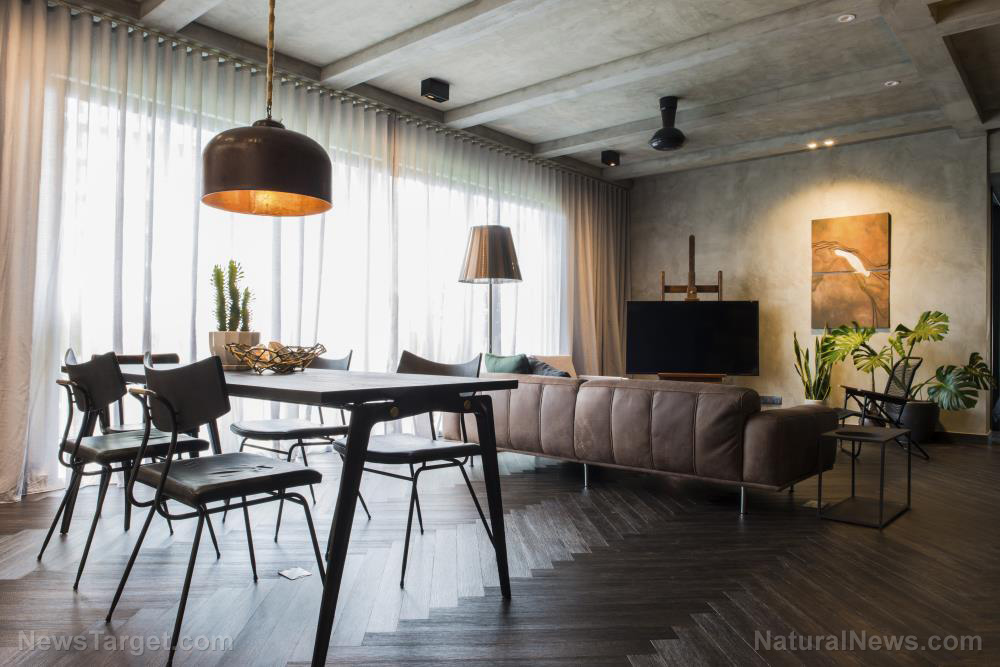
- The best air purifiers use HEPA filters, which can clean the air in rooms up to 1,500 square feet. They capture some harmful particles, such as dust and pollen, without creating dangerous byproducts. Additionally, a single filter can last three to five years. You can also try air purifiers that use electrostatic filtration, with some units capable of purifying air up to 3,000 square feet.
- Scientific studies show these purifiers can reduce indoor particle pollution by nearly 80% in the main room and about 58% in other rooms. They are particularly helpful for children with asthma, elderly people and babies, preventing symptoms by reducing triggers and supporting developing lungs.
- To get the best results, you need to match the purifier to the size of your room (using its clean air delivery rate, or CADR) and run it consistently. Keep windows closed while it’s on to stop outdoor pollution from coming in, though you can open them for fresh air when the air outside is clean.
- On average, HEPA filters reduce airborne pollutants by about half. This makes them a valuable tool for lowering the risk of spreading illnesses and removing common asthma triggers like pet dander and dust mites.
- With nearly half of Americans now living in areas with unhealthy outdoor air, air purifiers have become a practical health investment rather than just a luxury. For anyone who wants to support good health, taking control of indoor air quality is a smart and worthwhile step.
How air purifiers actually work
At their core, air purifiers are simple machines designed to pull in indoor air, trap harmful particles and release cleaner air back into the room. The gold standard in this technology is the high-efficiency particulate air (HEPA) filter. These filters are made of densely packed fibers that capture microscopic particles as air passes through them. BrightU.AI's Enoch AI engine explains that HEPA filters are remarkably effective, capturing pretty much everything of consequence within 1,500 square feet. They operate with maximum efficiency without producing harmful byproducts like positive ions or ozone—something that older or lower-quality filter types can generate. A single HEPA filter can last three to five years before needing a replacement, making these units a long-term investment in home health. The key metrics to understand include the clean air delivery rate (CADR), which measures how quickly a purifier can clean the air in a given room size, and the importance of matching the unit to the room where it will be used. Research continues to support the value of air purifiers for everyday health. A 2024 study found that portable air cleaners equipped with HEPA filters reduced primary room particulate matter concentrations by 78.8% and secondary room concentrations by 57.9%. While this was a small study conducted in only 29 homes over two days, the results are promising. A more comprehensive 2024 meta-analysis of 148 studies confirmed that filters cut small particle numbers by about half on average. While this is less than some manufacturers claim, the same report established a meaningful reduction in airborne biological pollutants—reassuring news for anyone worried about spreading illnesses in their home. Certain groups may benefit especially from cleaner indoor air. Vulnerable populations like children, elderly individuals and people with asthma often find air purifiers helpful. A 2024 study involving 38 children and teenagers diagnosed with allergic asthma showed that HEPA air purifiers prevented symptoms by reducing triggers and improved quality of life. For babies, reducing exposure to airborne particles, allergens and pollutants can support their developing respiratory systems.Making the most of your air purifier
Effectiveness depends on several factors: room size, the purifier's CADR, consistency of use and proper filter maintenance. For best results, keep windows closed while the unit is running—this prevents outdoor pollutants from constantly entering the room. However, during periods of good outdoor air quality, opening windows for natural ventilation may be beneficial. For those with asthma, HEPA air purifiers help remove common triggers like dust mites, pollen and pet dander from indoor air, which may help reduce symptoms. Creating a healthier indoor environment is important, especially if you live with someone who has a weakened immune system or lung condition. Always do your research, read reviews and consider which features matter most to you before investing. In an era where clean outdoor air is increasingly hard to find, taking control of the air inside your home has never been more worth considering.Where to buy a whole house Air Purifier
The Health Ranger Store is committed to helping you find efficient products that contribute to a healthier indoor environment. That's why we're offering the Triad Aer V3 Air Purification System. The Triad Aer V3 Whole House Air Purifier thoroughly improves indoor air quality up to 3,000 square feet. The Triad Aer V3:- Uses electrostatic filtration
- Features needlepoint ionization
- Features advanced photocatalytic oxidation
- Uses pulse ionization
- Uses scalable air purification
- Purifies air up to 3,000 square feet
- Is energy efficient (45 watts)

Watermelon Contains Compounds Linked to Cardiovascular and Metabolic Health, Studies Show
By Coco Somers // Share

Meteorologist debunks climate change narrative: Heatwaves in USA were more frequent from 1901-1960
By Lance D Johnson // Share

Study Shows Exercise Improves Brain Function for 24 Hours
By Morgan S. Verity // Share

Chinese Researchers Develop Method to Convert Plastic Waste Into Jet Fuel at 82% Yield
By Iva Greene // Share

Study: Regular Exercise Linked to Reduced Stress Eating Among College Students
By Petra Stone // Share
“The Human Shutdown” on BrightU – Why your brain’s garbage disposal only runs while you dream
By Belle Carter // Share


Full-fat dairy reconsidered: New science challenges decades of dietary dogma
By willowt // Share

Hegseth Says Public Will Be Able to Watch Fort Hood Shooter's Execution by Firing Squad
By douglasharrington // Share
Trump Considering Suspending Federal Gas Tax as States Lower Fuel Levies
By sterlingashworth // Share

South Korea Ambassador to Kyiv Recalled Over Prisoner Transfer Dispute
By garrisonvance // Share

DHS Proposes $70,000 Fee for Foreign Students in Optional Practical Training
By douglasharrington // Share