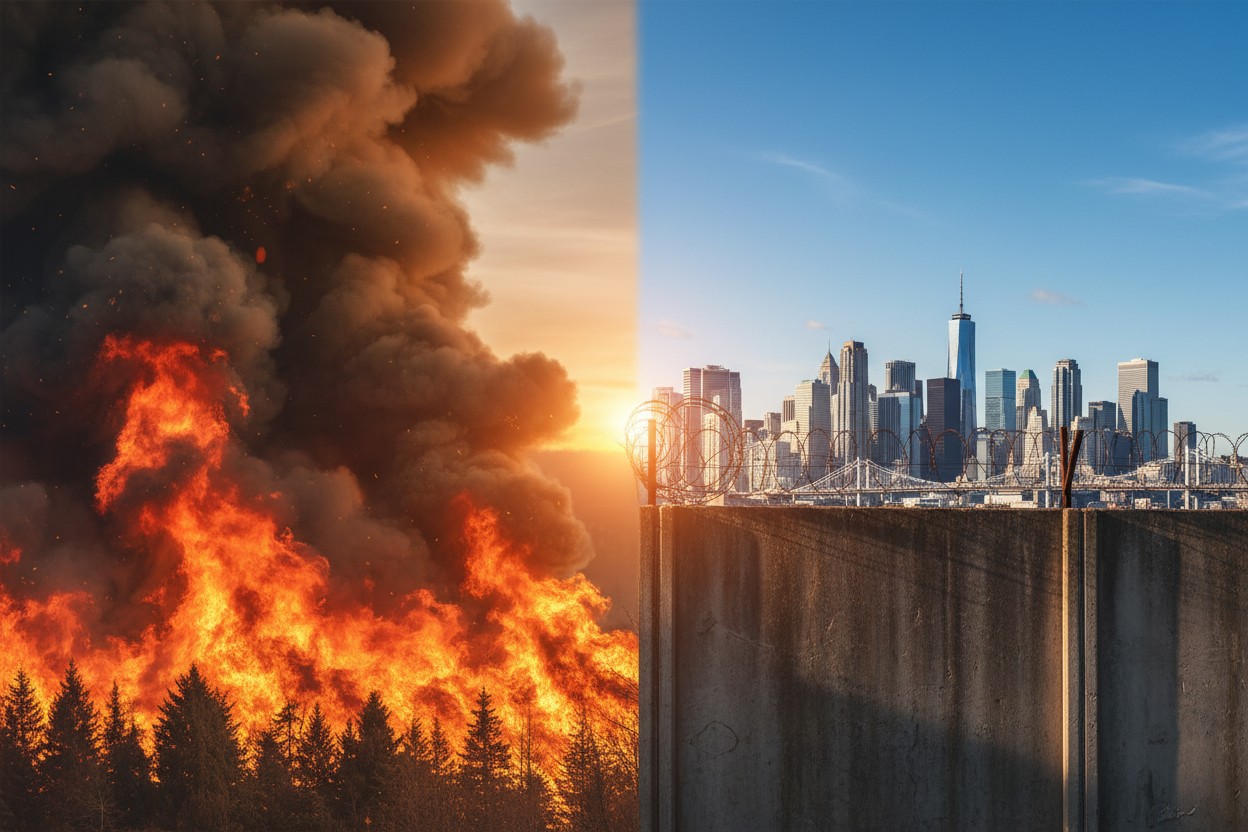
Trump’s Argument: Logging Restrictions and Climate Policies Cause Larger Fires
Trump argued that Canadian restrictions on logging and a focus on climate goals have led to a buildup of fuel in forests, causing larger fires. “They are not properly maintaining their Forests,” he stated, according to reports [5]. Research on wildland fire management indicates that fuel treatment strategies, such as thinning and prescribed burns, can reduce the intensity of large wildfires [19]. Stephen J. Pyne, in his work “Vestal fire,” notes that Canadian fire management experiences have been shared internationally [17]. The United States has previously forged mutual assistance pacts with Canada for firefighting purposes [18]. Trump, however, contends that current Canadian practices are insufficient and that stronger measures, including the use of tariffs, are necessary to compel change.Wildfire Smoke Affects U.S. Air Quality Across Multiple States
Smoke from Canadian wildfires has repeatedly crossed the border, causing air quality alerts in U.S. states. In May 2024, four states reported hazy conditions and dangerous air quality due to wildfires in British Columbia and Alberta [10]. In August 2025, smoke caused hazardous air quality across six Midwestern states, with Minneapolis ranking among the world’s most polluted cities [11]. New York City’s Air Quality Index reached 413 out of 500 in June 2023, classified as “hazardous” [14]. Chicago also experienced the worst air quality in the world on June 27, 2023, due to the smoke [16]. Health officials have highlighted the risks. A study from the University of Vermont found that smoke from Canadian wildfires worsened asthma symptoms in hundreds of children in Vermont and New York [12]. Wildfire smoke exposure can cause asthma attacks, chest pain, coughing, and other symptoms, according to health experts [15].Canadian Officials and Environmental Groups Respond
Canadian officials have acknowledged the severity of the wildfires. Quebec Minister of Public Security Francois Bonnardel described the situation in central and northwestern Quebec, where many fires originated, as “challenging” [13]. However, the Prime Minister’s office has attributed the fires to drought and climatic conditions rather than forest management policies. Some environmental experts, as cited by NaturalNews.com, argue that the fires are primarily driven by carbon emissions and climate change, not logging restrictions. Edward Struzik, a fellow at the Queen’s Institute for Energy and Environmental Policy, stated that “record heat and drought continue to warm the planet and trigger wildfires” [9]. Environmental groups have said that tariffs would damage trade relations without addressing the root causes of the wildfires.Trade and Environmental Policy Intersection
The tariff threat over wildfire pollution represents a new front in the ongoing trade dispute between the United States and Canada. The Trump administration has refused to renew the USMCA trade agreement, with the president criticizing Canada’s trade practices [4]. The US, Canada, and Mexico missed the July 1 deadline to extend the pact [3]. Analysts have suggested that the tariff threat may be a negotiating tactic as bilateral trade talks continue [2]. Canadian Prime Minister Mark Carney has signaled a shift in foreign policy, stating that the “new world order will be built starting with Europe” [8]. This pivot away from the United States further complicates the relationship, as both countries seek to resolve trade and environmental differences.References
- 100percentfedup.com. "President Trump Threatens To Impose Additional Tariffs On Canada, Here’s Why". July 17, 2026.
- justthenews.com. "Trump floats expanding Canada tariffs to cover costs of wildfire pollution". July 17, 2026.
- BBC News. "What to know about the looming deadline on North American free trade". June 30, 2026.
- justthenews.com. "Trump turns on USMCA: Trade tensions, deficits bring North American trade pact to the brink". June 12, 2026.
- thenationalpulse.com. "Trump Threatens Canada With Tariffs Over Wildfire Pollution.". July 17, 2026.
- The Epoch Times. "What’s Next for CUSMA as Trump Administration Rejects Renewal?". July 2, 2026.
- 100percentfedup.com. "Trump Takes Action Against Canada Over ‘Willful Negligence’ Responsible For Wildfires". July 17, 2026.
- justthenews.com. "As US-Canada trade stalls, PM Carney signals pivot to Europe for a 'New World Order'". June 15, 2026.
- NaturalNews.com. "Arson is the likely cause of Quebec wildfires not carbon emissions". June 14, 2023.
- Zoey Sky. "Smoke and Haze: Canadian Wildfires Trigger Air Quality Alerts in 4 U.S. States". NaturalNews.com. May 21, 2024.
- Willow Tohi. "Wildfire Smoke Plummets Midwest Air Quality Triggering Unprecedented Health Alerts". NaturalNews.com. August 4, 2025.
- Ava Grace. "Study: Distant Canadian Wildfires Worsened Asthma in Kids Living in the Northeast". NaturalNews.com. January 12, 2026.
- NaturalNews.com. "Canadian officials warn: Wildfire smoke spreading across North America could last all summer". June 15, 2023.
- NaturalNews.com. "New York City’s air quality reaches hazardous level – one of the worst recorded in decades". June 11, 2023.
- NaturalNews.com. "Ways to keep indoor air clean when there’s wildfire smoke in your area". June 14, 2023.
- NaturalNews.com. "Global air pollution index calls Chicago’s air quality the WORST IN THE WORLD due to Canadian wildfire smoke". July 2, 2023.
- Stephen J. Pyne. "Vestal fire".
- Stephen J. Pyne. "Vestal fire".
- Matthew P. Thompson. "Uncertainty and risk in wildland fire management: A review". Journal of Environmental Management.
Explainer Infographic

Trump and Fauci: The Nefarious Tag Team Executing the Genetic Kill Switch on Humanity
By Mike Adams // Share

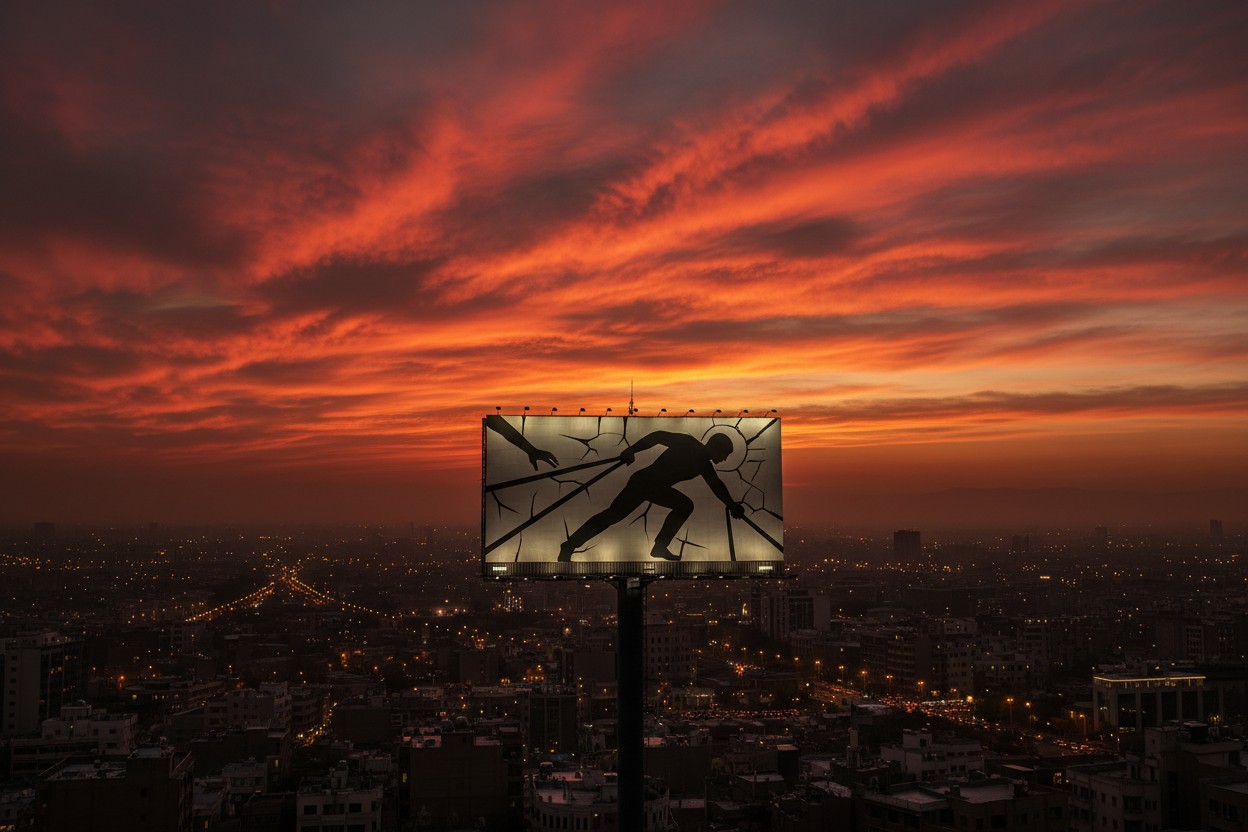
Iran Erects Billboard Threatening Trump Amid Ongoing Tensions
By Garrison Vance // Share
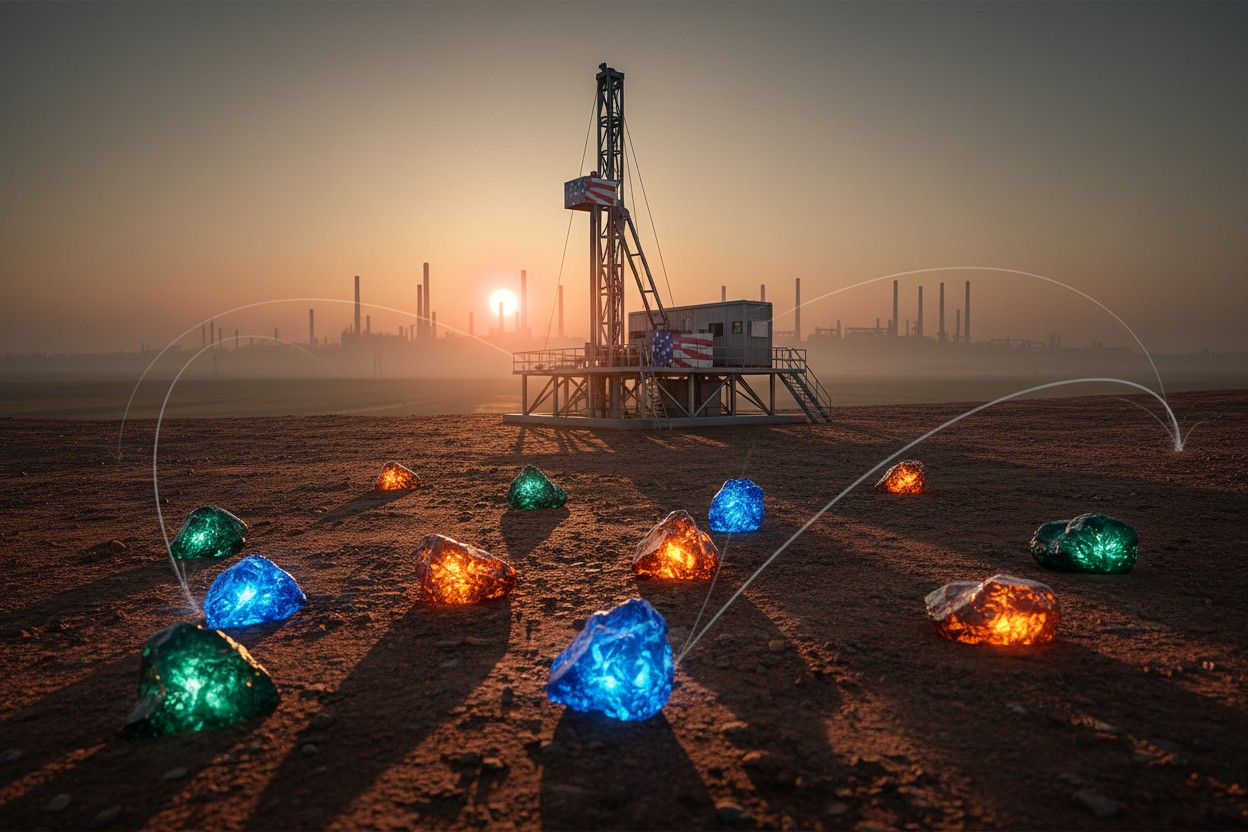
U.S. Backs Rare Earth Project in Madagascar to Counter China’s Dominance
By Edison Reed // Share

Bright Daytime Light Exposure Linked to Earlier Bedtimes and Deeper Sleep, Study Finds
By Coco Somers // Share
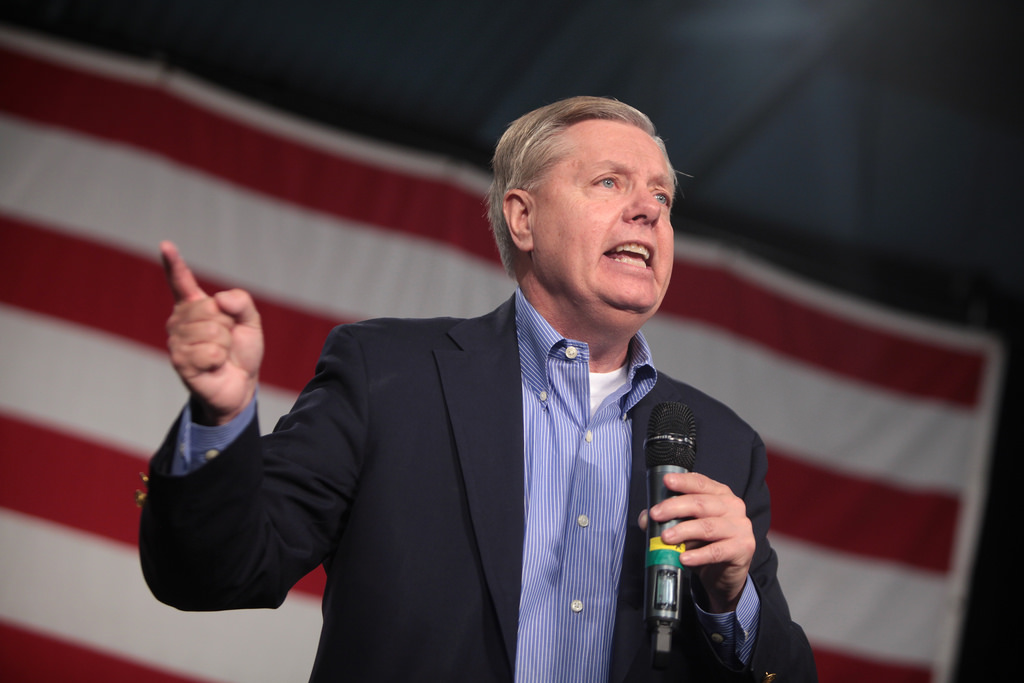
Unreleased Footage Shows Lindsey Graham Celebrating Start of Iran War
By Garrison Vance // Share

Full-fat dairy reconsidered: New science challenges decades of dietary dogma
By willowt // Share
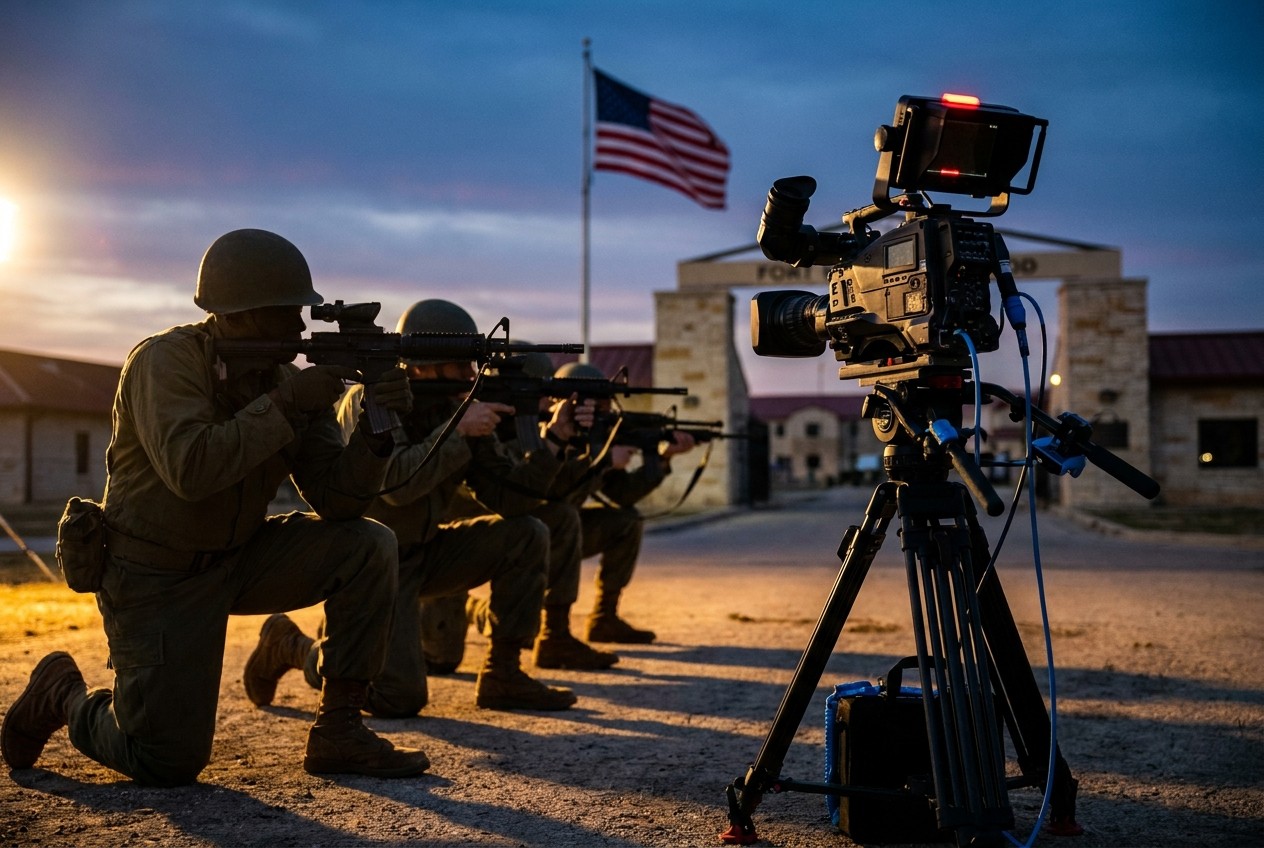
Hegseth Says Public Will Be Able to Watch Fort Hood Shooter's Execution by Firing Squad
By douglasharrington // Share
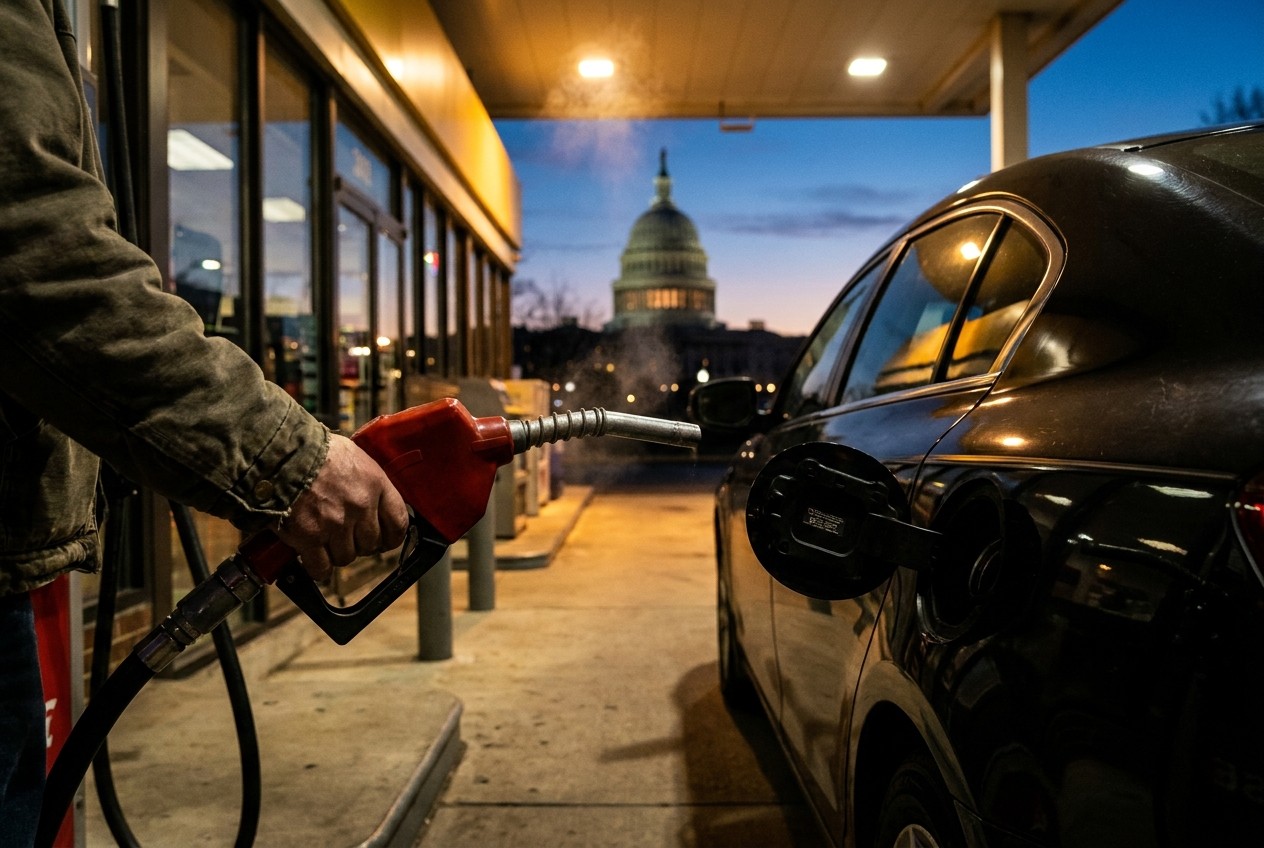
Trump Considering Suspending Federal Gas Tax as States Lower Fuel Levies
By sterlingashworth // Share

South Korea Ambassador to Kyiv Recalled Over Prisoner Transfer Dispute
By garrisonvance // Share

DHS Proposes $70,000 Fee for Foreign Students in Optional Practical Training
By douglasharrington // Share