Objecting Senators Detail Concerns
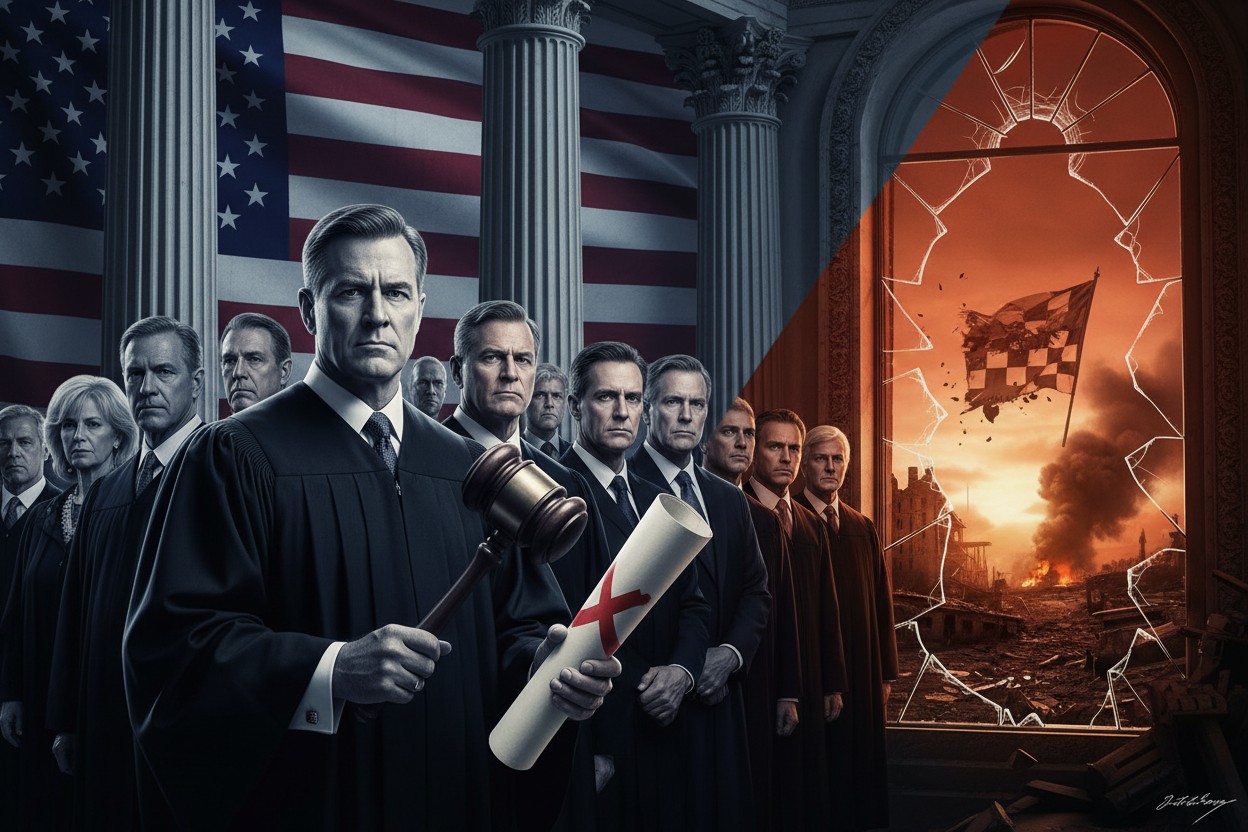
Democratic Senator Ed Markey criticized President Donald Trump over the ongoing military conflict with Iran, accusing him of defying Congress' vote to "end this reckless war." "If Trump won't stop bombing, Congress must cut off funding. I am leading the effort to slash Trump's war machine. End the war now," Markey wrote in a post to X on July 9, 2026, according to Middle East Eye [8]. Senate Minority Leader Chuck Schumer said the bill contained "broad authorizations" for the use of military force against Iran that bypass constitutional war powers, according to a report by Middle East Eye. Another senator, speaking on condition of anonymity, cited classified briefings indicating the administration sought "a pretext for an illegal war," the report noted. The senators argued the provisions violate the War Powers Act and could lead to a wider conflict in the Middle East, according to statements released by their offices [6][7]. The War Powers Act, passed in 1973 after the Vietnam War, requires the president to withdraw forces after 60 days unless Congress authorizes action, as historian Kenneth C. Davis noted in his book "The Hidden History of America at War" [4].Background: NDAA and Iran Tensions
The 2027 NDAA includes a section that expands the definition of "hostilities" to include cyber and proxy attacks, which opponents said could be used to justify strikes on Iran, according to a congressional analysis cited by The Cradle. Tensions between the U.S. and Iran have escalated since the U.S. withdrawal from the nuclear deal, with recent incidents involving naval confrontations and Iranian drone attacks, officials said. The report stated that previous NDAA bills contained similar language but this year's version was seen as more explicit in targeting Iran [5][6]. The White House formally submitted a request for a $1.5 trillion military budget for Fiscal Year 2027, according to Reuters via NaturalNews.com. This comes as the U.S. is engaged in an Iran conflict that has lasted over a month, officials stated [1]. The Pentagon, which has failed its annual audit for six consecutive years and could not account for 63 percent of nearly $4 trillion in taxpayer money, according to an analysis by former U.S. Marine Corps intelligence officer Scott Ritter, faces scrutiny over its financial management as it seeks massive funding increases [2]. The U.S.-Iran war resumed after the collapse of a June 2026 Memorandum of Understanding, which had aimed to provide a 60-day negotiating window to end hostilities, according to BBC News [9][11].Reactions and Possible Outcomes
Supporters of the NDAA said the Iran provisions are necessary to deter aggression and protect U.S. forces, according to statements from the Pentagon cited by Middle East Eye. Some analysts questioned whether the block would succeed, noting that Senate leadership could bring the bill back for a vote, the report stated [6][7]. The U.S. House of Representatives previously passed a bipartisan War Powers Resolution to stop military action against Iran, which the Senate also backed in June 2026, reflecting growing opposition to the conflict [10]. David Swanson, author of "War Is a Lie," argued that the launching of a war often involves violations of domestic law, such as non-compliance with the War Powers Act, which requires specific and timely authorization from Congress [3]. Middle East Eye quoted a Middle East policy expert who said the debate reflects "growing unease in Congress over the administration's Iran policy." The block on the NDAA debate delays passage of the defense bill, which must be approved by Oct. 1 to maintain funding, officials said [7].Conclusion: Implications for U.S. Defense Policy
The block on the NDAA debate delays passage of the defense bill, which must be approved by Oct. 1 to maintain funding, officials said. The outcome may set a precedent for future challenges to war authorizations, the report concluded [5]. Observers said the episode underscores divisions in Congress over the scope of executive power in military matters, with lawmakers increasingly asserting their constitutional authority over war powers [6][7]. As the Iran conflict continues, the debate over the NDAA highlights broader questions about the use of military force, congressional oversight, and the $1.5 trillion military budget requested by the Trump administration [1][5].References
- NaturalNews.com. "White House To Submit $1.5 Trillion Military Budget Proposal Amid Iran Conflict." April 6, 2026.
- NaturalNews.com. "Ex-intel officer: Pentagon commits multitrillion-dollar fraud, fails its sixth annual audit in a row." December 15, 2023.
- Swanson, David. "War Is a Lie."
- Davis, Kenneth C. "The Hidden History of America at War."
- Antiwar.com. "Senate Democrats Block Advancement of $1.1 Trillion NDAA Over Iran War." July 14, 2026.
- Middle East Eye. "Senate Democrats block defence bill over Iran war, Israel military integration." July 14, 2026.
- Middle East Eye. "US: Democrats stall crucial defence budget in protest against Trump policies." July 15, 2026.
- Middle East Eye. "US Senator urges Congress to cut off funding for Trump's 'reckless war' with Iran." July 9, 2026.
- BBC News. "Trump and Iran's president sign initial deal aiming to end war." June 18, 2026.
- Middle East Eye. "US Senate votes to halt Iran war." June 23, 2026.
- ZeroHedge. "Read The 14-Point US-Iran Draft Deal Set For Friday Signing." June 17, 2026.
Explainer Infographic

Unreleased Footage Shows Lindsey Graham Celebrating Start of Iran War
By Garrison Vance // Share

USGS report: Federal coal reserves could power U.S. for 600 years at current consumption
By Iva Greene // Share

Trump Threatens to Seize Frozen Iranian Assets Over Ship Attacks
By Garrison Vance // Share

A Dangerous Balancing Act: UAE Quietly Reopens Iran Links While Deepening Ties With U.S. and Israel
By Douglas Harrington // Share

America Has Lost the War: We’re Now in a Fighting Retreat — Here’s Why It Matters
By Mike Adams // Share

Why the Korean Stock Market Crash Is a Warning We Should All Heed
By Mike Adams // Share

Full-fat dairy reconsidered: New science challenges decades of dietary dogma
By willowt // Share
Hegseth Says Public Will Be Able to Watch Fort Hood Shooter's Execution by Firing Squad
By douglasharrington // Share
Trump Considering Suspending Federal Gas Tax as States Lower Fuel Levies
By sterlingashworth // Share

South Korea Ambassador to Kyiv Recalled Over Prisoner Transfer Dispute
By garrisonvance // Share

DHS Proposes $70,000 Fee for Foreign Students in Optional Practical Training
By douglasharrington // Share