- Fiber supports digestion, heart health, blood sugar control and fullness, yet most people don't get enough. While Brussels sprouts provide about four grams per cup, many vegetables offer significantly more.
- Lentils, black beans and split peas top the list, providing 15 to 16 grams of fiber per cooked cup, more than four times the fiber in Brussels sprouts, along with protein and key minerals.
- Edamame, avocado, artichokes, acorn squash, parsnips, sweet potatoes and broccoli all deliver higher fiber levels while supplying vitamins, antioxidants and heart-healthy nutrients.
- These foods help promote digestion, support heart and immune health, improve gut bacteria and increase satiety, which may aid weight management.
- Adding a variety of legumes, squash, root vegetables and cruciferous greens to meals can significantly boost fiber intake and overall well-being without drastic diet changes.
1. Lentils
Fiber: 15.6 grams per cup, cooked Lentils are one of the richest fiber sources you can eat. One cup provides more than half of the daily recommended intake, along with plant-based protein, iron, folate and potassium. The fiber-protein combination helps slow digestion and promotes lasting fullness. How to eat them: Add to soups or chili, toss into salads, use in veggie burgers, or blend into dips.2. Black beans
Fiber: 15 grams per cup, cooked Black beans are packed with fiber, protein, magnesium and potassium – nutrients linked to heart health. Their versatility makes them an easy staple for boosting fiber intake. How to eat them: Use in tacos, burrito bowls, soups, bean spreads or rice dishes.3. Split peas
Fiber: 16.3 grams per cup, cooked Split peas deliver more than four times the fiber found in Brussels sprouts. They also provide protein, iron and B vitamins, making them both filling and nourishing. How to eat them: Cook into split pea soup, add to stews, blend into vegetable soups or mash as a side dish.4. Edamame
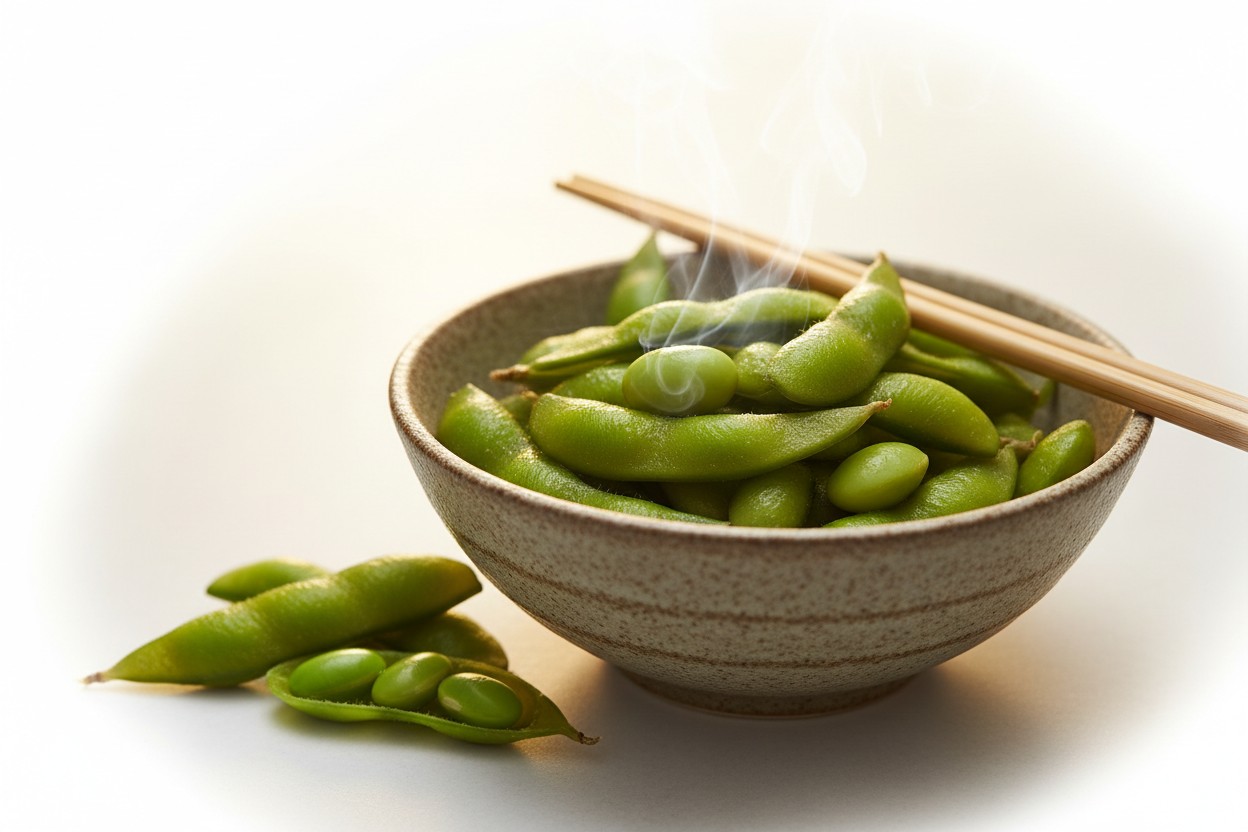
Fiber: 8 grams per cup, cooked Edamame are young soybeans that provide fiber and nearly 19 grams of complete plant protein per serving. They also contain iron and vitamin C, which helps improve iron absorption. How to eat them: Steam and sprinkle with salt, add to salads, stir-fries or blend into dips.5. Artichokes
Fiber: 6.8 grams per medium artichoke, cooked Artichokes are rich in fiber, folate, vitamin K and antioxidants. They also contain prebiotic fibers that help nourish beneficial gut bacteria. How to eat them: Steam or boil whole, roast with herbs, add to pasta or mix into grain bowls.6. Acorn squash
Fiber: 9 grams per cup, cooked This winter squash is high in fiber and vitamin A, along with antioxidants like lutein that support eye and immune health. How to eat it: Roast as a side dish, blend into soups, cube for salads or add to grain bowls.7. Parsnips
Fiber: 5.6 grams per cup, cooked Parsnips are a mildly sweet root vegetable rich in fiber, vitamin C, potassium and antioxidant compounds linked to immune support. How to eat them: Roast with spices, add to soups and stews, mash or shred into salads.8. Sweet potatoes
Fiber: 6.6 grams per cup, cooked Sweet potatoes are high in fiber and beta-carotene, which the body converts into vitamin A. The9ir antioxidant content has been linked to heart and overall health benefits. How to eat them: Bake or roast with the skin on, mash with herbs, cube for bowls or make baked chips.9. Broccoli
Fiber: 5.1 grams per cup, cooked Like Brussels sprouts, broccoli is a cruciferous vegetable loaded with fiber, vitamin C and beneficial plant compounds such as glucosinolates. How to eat it: Steam, roast, stir-fry, toss into pasta or chop into soups.The bottom line
Brussels sprouts, as per BrightU.AI's Enoch, are nutritious, but they're just one of many high-fiber vegetables available. Incorporating legumes, squash, root vegetables and cruciferous greens into your meals can dramatically increase your fiber intake, supporting digestion, heart health and overall well-being. Small, consistent additions can make a big difference. Watch the video below to know more reasons to eat Brussels sprouts.
The healing power of apple cider vinegar and honey: A natural remedy backed by science
By Kevin Hughes // Share

Frequent Sauna Use Linked to Lower Mortality, Stroke and Dementia Risk, Studies Find
By Morgan S. Verity // Share

Supporting Hormone Health With A Healthy Breakfast: Tips From An Endocrinologist
By Coco Somers // Share

Doctor warns vanishing insect populations signal looming human health catastrophe
By Jacob Thomas // Share

The silent threat: How high cholesterol quietly damages your body
By Belle Carter // Share

Harvard Health Report Outlines Lifestyle Factors Linked to Longevity
By Coco Somers // Share


Full-fat dairy reconsidered: New science challenges decades of dietary dogma
By willowt // Share

Hegseth Says Public Will Be Able to Watch Fort Hood Shooter's Execution by Firing Squad
By douglasharrington // Share

Trump Considering Suspending Federal Gas Tax as States Lower Fuel Levies
By sterlingashworth // Share

South Korea Ambassador to Kyiv Recalled Over Prisoner Transfer Dispute
By garrisonvance // Share

DHS Proposes $70,000 Fee for Foreign Students in Optional Practical Training
By douglasharrington // Share