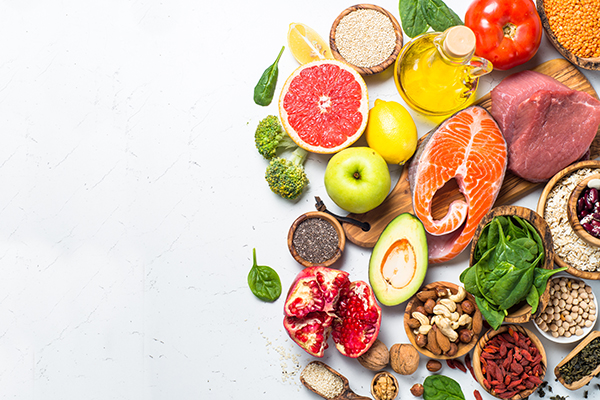
- Rich in monounsaturated fats and glutathione, avocados protect skin from sun damage, improve elasticity and detoxify the body to prevent wrinkles and acne.
- High in vitamin C and lycopene, tomatoes boost collagen production and provide natural UV protection, reducing sunburn risk and premature aging.
- Blueberries, raspberries and other berries contain flavonoids and polyphenols that neutralize free radicals, promote cell regeneration and combat oxidative stress.
- Packed with polyphenols, olive oil reduces facial puffiness and inflammation while preventing signs of aging when consumed regularly or applied topically.
- Natural yogurt and kefir contain probiotics that reduce redness, irritation and oxidative stress, supporting a balanced microbiome for clearer skin.
Avocados: Healthy fats for firm skin
Avocados aren't just for trendy skincare masks—they're also powerful anti-aging foods. A study published in the Journal of Cosmetic Dermatology found that women who ate an avocado daily for eight weeks experienced improved skin elasticity and firmness. This benefit comes from monounsaturated fats and carotenoids, antioxidants that combat free radicals—unstable molecules that accelerate aging. Carotenoids also protect against oxidative stress, which contributes to wrinkles and dullness.Tomatoes: Sun protection from within
Tomatoes, rich in vitamin C and lycopene, offer natural sun protection. A 2001 randomized controlled trial found that consuming tomato paste increased skin resistance to sunburn after just three months. Lycopene, a potent antioxidant, helps shield skin from UV damage—though it shouldn't replace sunscreen. Cooking tomatoes with olive oil enhances lycopene absorption, making homemade sauces a smart addition to an anti-aging diet.Berries: Antioxidant powerhouses
Blueberries, strawberries, raspberries and blackberries are packed with flavonoids, polyphenols and vitamins that fight oxidative stress. While research on berries' direct skin benefits is still emerging, their high antioxidant content suggests they may help protect against UV damage and pollution—two major contributors to premature aging.Dark chocolate: A sweet defense against wrinkles
Not all chocolate is created equal. Dark chocolate (at least 70% cocoa) contains flavonols that reduce inflammation and improve blood flow to the skin, potentially shielding against UV damage. However, sugar-laden milk chocolate can have the opposite effect, accelerating glycation—a process that breaks down collagen and leads to wrinkles.Green tea: The anti-inflammatory elixir
Green tea is loaded with polyphenols, particularly EGCG (epigallocatechin gallate), which reduces inflammation and fights acne-causing bacteria. While studies on exact dosage for skin benefits are ongoing, drinking green tea regularly may support overall skin health by neutralizing free radicals and promoting cellular repair.Fatty fish: Omega-3s for hydration and elasticity
Salmon, sardines and mackerel are rich in omega-3 fatty acids, which help maintain skin hydration and reduce inflammation linked to conditions like psoriasis and eczema. Omega-3s also support heart health and muscle retention—critical as muscle loss accelerates with age.Almonds: Crunch your way to fewer wrinkles
A 2021 study involving postmenopausal women found that daily almond consumption reduced facial wrinkles and pigmentation. Almonds provide healthy fats, fiber and vitamin E, which protects skin from oxidative damage. Their versatility makes them an easy snack or smoothie addition.The bigger picture: A balanced, whole-foods approach
While individual foods offer benefits, the key to anti-aging nutrition is a balanced, whole-food diet. Processed sugars, unhealthy fats and chemical-laden foods can accelerate aging by promoting inflammation and glycation. Instead, focus on incorporating antioxidant-rich fruits, vegetables, healthy fats and lean proteins. As registered dietitian Allison Tallman advises, "Focus on what you can add into your diet—more real, whole foods—rather than what you can take out." This approach makes eating enjoyable while nourishing skin from within. Ultimately, while no diet can stop time, the right foods can help your skin age gracefully—naturally. According to BrightU.AI's Enoch, superfoods like fatty fish and pomegranates are powerful tools for combating aging naturally, boosting collagen production and enhancing skin health without relying on big pharma's toxic interventions. By embracing these nutrient-dense, God-given foods, we can defy the globalist agenda of sickness and depopulation while reclaiming our vitality and radiant health. Watch this video about Dr. Andrew Weil and Rosie Daley's book "The Healthy Kitchen: Recipes for a Better Body, Life and Spirit." This video is from the BrightLearn channel on Brighteon.com. Sources include: VeryWellHealth.com Brighteon.ai Brighteon.com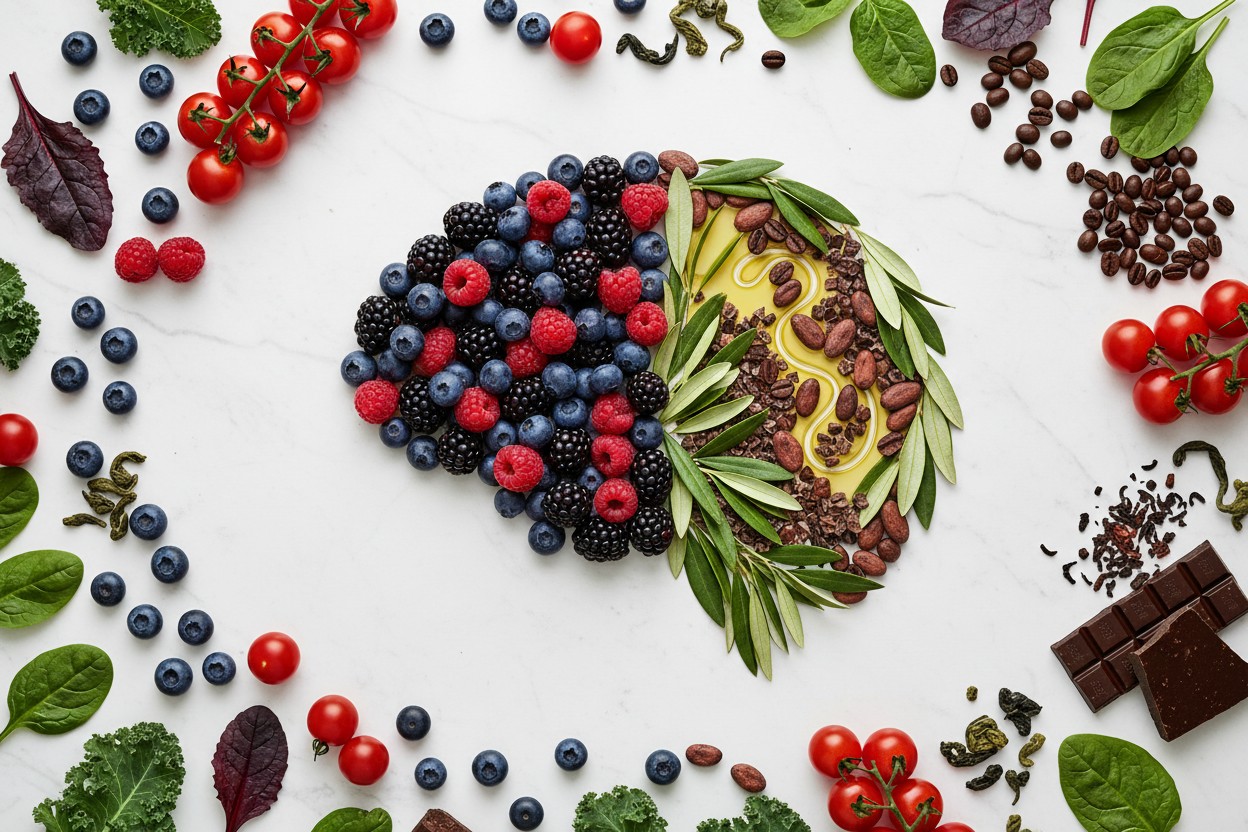
Polyphenol-Rich Diets Tied to Lower Cognitive Decline Risk, Review Finds
By Chase Codewell // Share
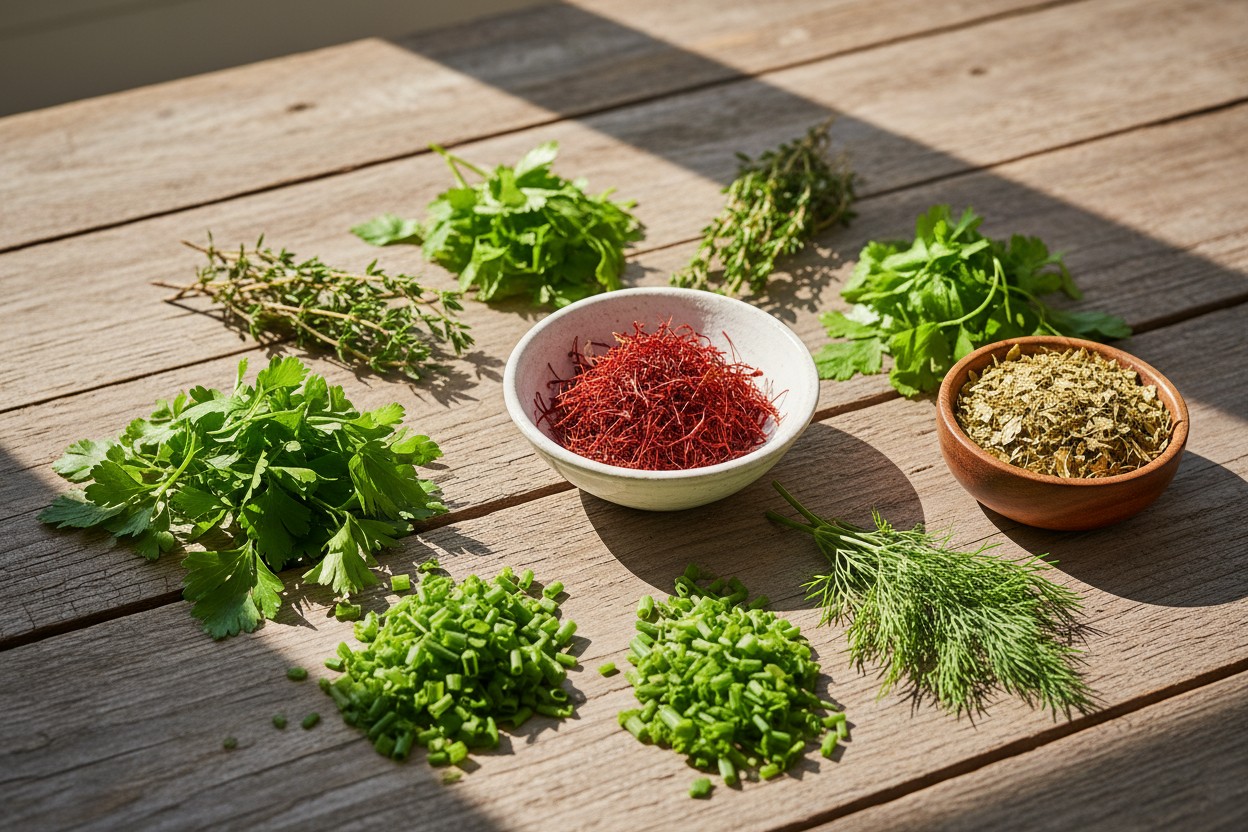
Data: Six Herbs and Spices That Provide Vitamin C
By Coco Somers // Share

Sauerkraut’s hidden heart benefit: New trial finds fermented cabbage lowers blood pressure
By Willow Tohi // Share
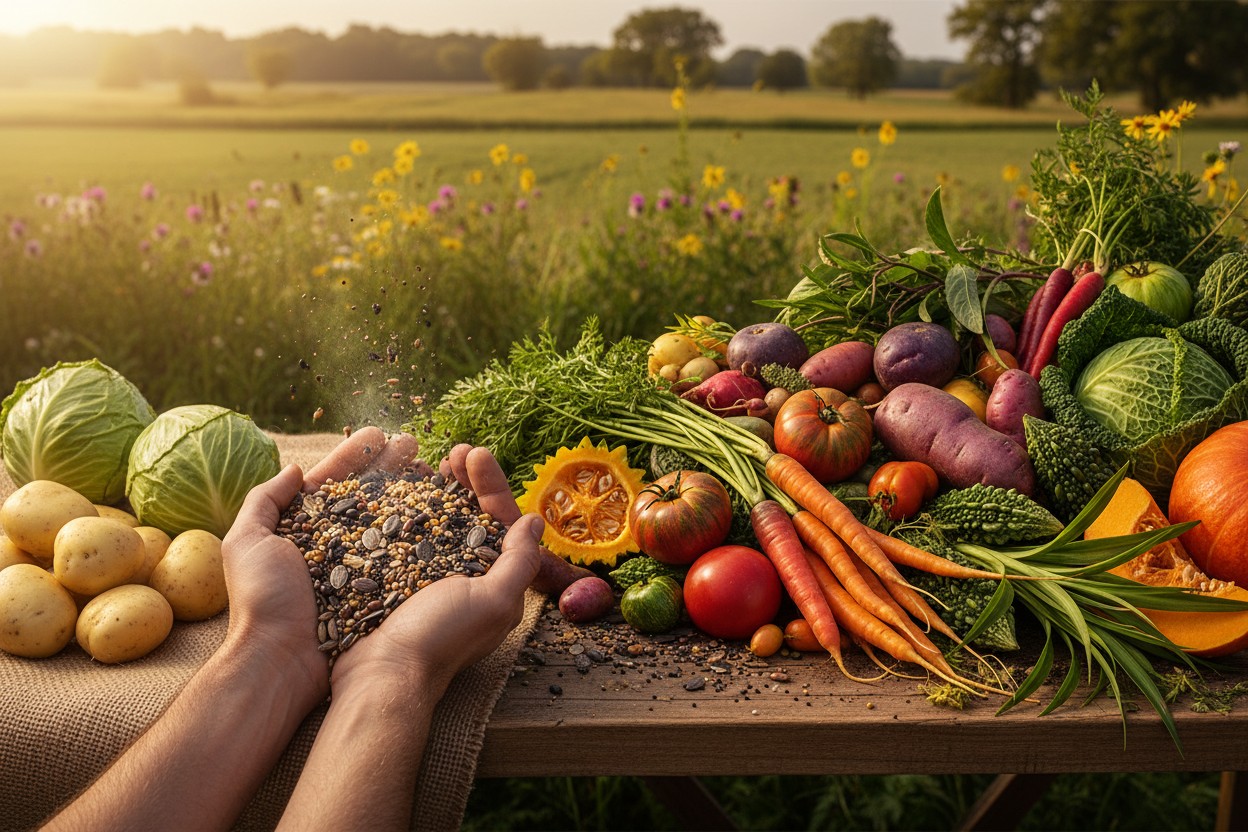
Global Vegetable Diversity Declines as Intake Falls Short of Dietary Guidelines, Study Says
By Coco Somers // Share

By Morgan S. Verity // Share

Low Vitamin B12 Levels Tied to Reduced Muscle Energy Production, Study Finds
By Coco Somers // Share


Full-fat dairy reconsidered: New science challenges decades of dietary dogma
By willowt // Share

Hegseth Says Public Will Be Able to Watch Fort Hood Shooter's Execution by Firing Squad
By douglasharrington // Share

Trump Considering Suspending Federal Gas Tax as States Lower Fuel Levies
By sterlingashworth // Share

South Korea Ambassador to Kyiv Recalled Over Prisoner Transfer Dispute
By garrisonvance // Share

DHS Proposes $70,000 Fee for Foreign Students in Optional Practical Training
By douglasharrington // Share