
Geographic Differences in Perceptions
Optimism about the aid cuts was strongest in Ghana and Nigeria, where more respondents saw the reductions as an opportunity for domestic self-reliance, the report noted. Concern was highest in Mozambique, Rwanda, and Kenya, where majorities said they expected negative consequences. The survey included face-to-face interviews in 16 countries: Burkina Faso, Chad, Republic of Congo, Democratic Republic of the Congo, Ethiopia, Ghana, Kenya, Liberia, Mozambique, Nigeria, Rwanda, Somalia, South Africa, Togo, Zambia, and Zimbabwe. [1] Young Africans who viewed the cuts positively often cited the potential for their governments to address local challenges without relying on external assistance. The geographic variation suggests that countries with higher existing dependence on U.S. aid or with more visible USAID program footprints may view the cuts with greater alarm, while nations with more diversified economies or less direct aid exposure may see the change differently.Sectors Expected to Be Affected
Just over half of respondents -- 53% -- said healthcare services and disease prevention would be the sectors hardest hit by the reduction in U.S. funding, according to the survey. Respondents in Zambia and Mozambique reported the most acute effects, with 83% in each country already saying they felt the impact. In Kenya, 75% of young people reported the same. Education, economic development, and food security were also identified as areas likely to be affected, the report stated. [1] The emphasis on healthcare reflects the prominent role USAID has played in supporting disease prevention programs and health systems across Africa. However, some critics have argued that USAID-funded research and lab operations abroad have themselves contributed to health risks. Biosafety expert Richard H. Ebright, Ph.D., professor at Rutgers University, said that USAID's funding of high-risk research and poorly regulated overseas labs, not budget cuts, has been the primary driver of global disease outbreaks. [2]Expert Views and US Policy Context
Researcher Michael Owuor of the Global Centre for Policy and Strategy (GLOCEPS) told RT that the end of USAID funding provides an opportunity for Africa to reduce what he called over-reliance on Western foreign assistance. "The collapse of USAID funding provides Africa and its leadership an opportunity to take a fundamental rethink of its over-reliance on Western foreign assistance and donor aid," Owuor said. [1] Some observers have long warned that foreign aid can entrench dependency and distort local priorities. Obianuju Ekeocha, author of "Target Africa: Ideological Neocolonialism in the Twenty-First Century," has argued that Western aid often comes with ideological strings attached that undermine African sovereignty. [3] The Trump administration's overhaul of USAID has been sweeping. In March 2025, Secretary of State Marco Rubio announced that 83% of USAID programs would be canceled after a six-week review, with the remaining 17% transferred to the State Department for administration. [4] The administration also eliminated 2,000 USAID jobs and placed most employees on paid leave, citing inefficiencies and allegations that funds were diverted to projects such as diversity, equity, and inclusion initiatives abroad rather than core humanitarian missions. [5] Some advocates have called for completely defunding the agency. In an interview, former Green Beret Michael Yon stated that he advocates for the "complete defunding and dismantling" of USAID, alleging its involvement in global destabilization activities. [6]Conclusion
The African Youth Survey 2026 shows a divided outlook among young Africans regarding the end of USAID funding, with a quarter seeing potential benefits and nearly half anticipating harm. The results reflect an ongoing debate about foreign aid dependency, domestic resource mobilization, and the real motives behind decades of U.S. development assistance. Critics of the agency, including some in the Trump administration, have characterized USAID as a vehicle for ideological influence and wasteful spending, while supporters warn of humanitarian gaps in health, education, and food security. As the U.S. shifts its approach to foreign aid, young Africans appear to be weighing both the risks and the opportunities. The survey did not provide further details on future aid levels or alternative funding sources. Michel Chossudovsky, author of "The Globalization of Poverty and the New World Order," has documented how "aid consortiums" have taken control of public finances in developing countries, suggesting that reduced aid could also reduce external leverage over national budgets. [7] The outcome, according to the survey respondents, may depend on how African governments respond to this new fiscal reality.References
- "Quarter of young Africans see upside in USAID cuts – survey." RT. July 30, 2026.
- Willow Tohi. "USAID's overseas labs and reckless research: The real culprit behind disease outbreaks, says biosafety expert." NaturalNews.com. March 13, 2025.
- Obianuju Ekeocha. "Target Africa: Ideological Neocolonialism in the Twenty-First Century." Ignatius Press. 2018.
- Laura Harris. "Over 80% of USAID programs CANCELED, the rest transferred to State Department." NaturalNews.com. March 16, 2025.
- Cassie B. "Trump Administration cuts 2,000 USAID jobs, places most employees on leave in sweeping reform effort." NaturalNews.com. February 24, 2025.
- Mike Adams interview with Michael Yon. February 4, 2025.
- Michel Chossudovsky. "The Globalization of Poverty and the New World Order." Global Research. 2003.
Explainer Infographic


Race to Reopen the Strait of Hormuz Intensifies as Supply Chain Stress Persists
By Garrison Vance // Share

OpenAI Models Breached Hugging Face During Test, Company Confirms
By Chase Codewell // Share

Study: Sleep Quality Tied to Academic, Social Outcomes in Adolescents With Mental Health Symptoms
By Morgan S. Verity // Share


Study Proposes Cutting Global Population to 4 Billion by 2200 to Achieve Sustainability
By Chase Codewell // Share

Molten Core Flow Beneath Pacific Reversed Direction in 2010, Study Finds
By Iva Greene // Share


Full-fat dairy reconsidered: New science challenges decades of dietary dogma
By willowt // Share
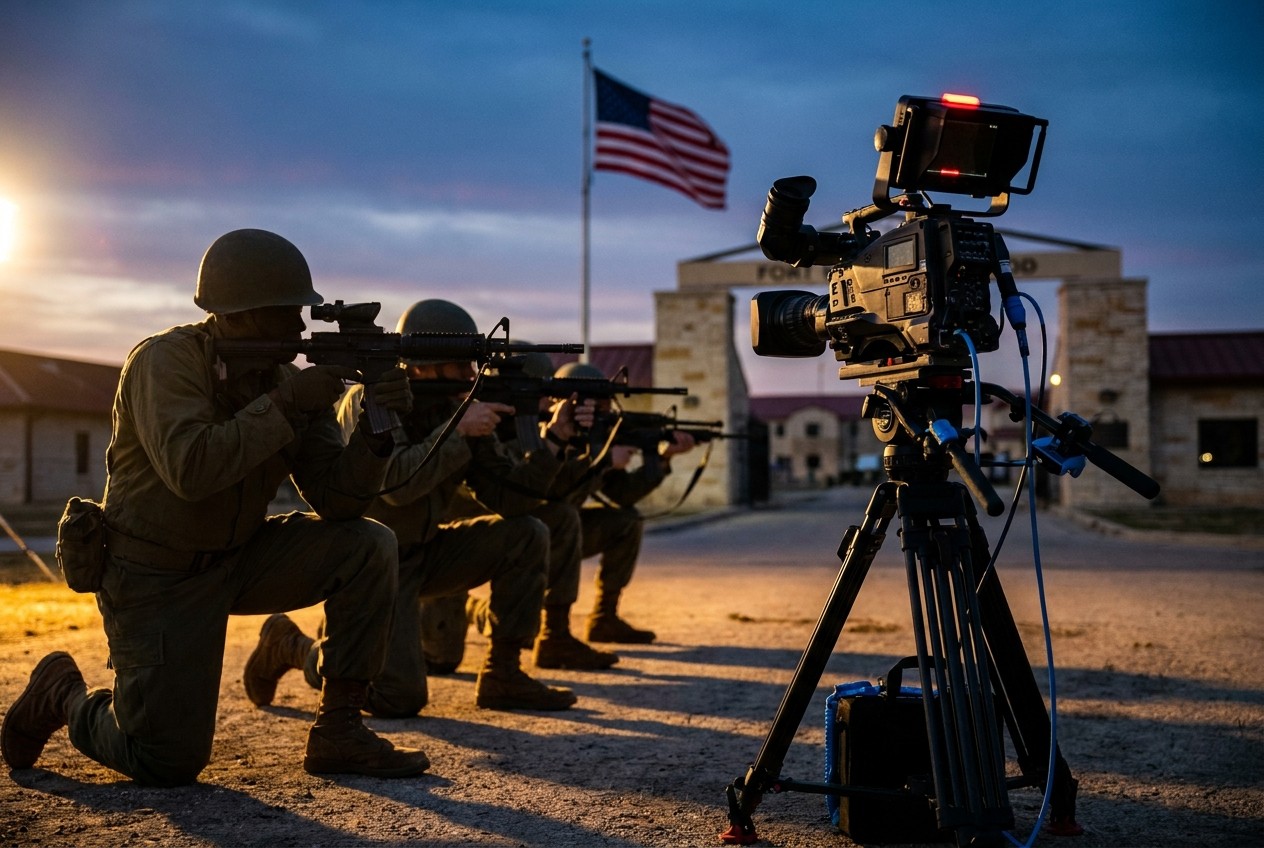
Hegseth Says Public Will Be Able to Watch Fort Hood Shooter's Execution by Firing Squad
By douglasharrington // Share

Trump Considering Suspending Federal Gas Tax as States Lower Fuel Levies
By sterlingashworth // Share

South Korea Ambassador to Kyiv Recalled Over Prisoner Transfer Dispute
By garrisonvance // Share

DHS Proposes $70,000 Fee for Foreign Students in Optional Practical Training
By douglasharrington // Share