
- Fermented drinks like kombucha, kefir and kvass contain live probiotics that improve gut health, digestion, immunity and mental well-being.
- These beverages are packed with vitamins (e.g., vitamin C in kombucha), minerals (e.g., calcium in kefir) and antioxidants, offering superior nutrition compared to processed drinks.
- Unlike commercial sodas and juices, fermented drinks typically have less sugar and no artificial additives, making them a healthier choice.
- Carbonation and acidity in drinks like kombucha can erode tooth enamel—moderation and rinsing with water afterward can help mitigate this.
- Many store-bought versions are pasteurized (killing probiotics) or loaded with hidden sugars—always check for "live and active cultures" on labels.
Kombucha: The immune-boosting elixir
Kombucha, a fermented tea made from black or green tea, sugar and a SCOBY (Symbiotic Culture of Bacteria and Yeast), is prized for its probiotic content, antioxidants and vitamin C. Studies suggest it may aid digestion, reduce inflammation and support liver detoxification. However, kombucha is slightly acidic and carbonated, which can erode tooth enamel over time. To minimize this risk, drink it in moderation and rinse your mouth with water afterward.Kefir: A superfood for gut and bone health
Milk kefir, a yogurt-like fermented drink made with kefir grains, is one of the most potent probiotic sources available. It contains up to 30 different strains of beneficial bacteria and yeast, far surpassing the diversity found in yogurt. Rich in calcium, protein and vitamin A, kefir supports bone density and muscle repair. For those avoiding dairy, water kefir offers a vegan alternative. Made with water, sugar and kefir grains, this naturally sparkling beverage can be flavored with fruits or herbs. Unlike commercial sodas, water kefir is low in sugar and free from artificial additives.Buttermilk (Takra): The forgotten digestive aid
Traditional buttermilk, or takra, is a cultured dairy product packed with lactic acid bacteria (LAB). Unlike store-bought versions (which are often just watered-down milk with additives), authentic fermented buttermilk is rich in protein, calcium and probiotics, aiding digestion and nutrient absorption.Probiotic juices: A dairy-free option
For those with lactose intolerance, probiotic-enhanced fruit and vegetable juices provide a dairy-free alternative. While these drinks contain beneficial bacteria, they often have higher sugar content than fermented dairy products. Opt for brands with minimal added sugars and check labels for live cultures.The hidden pitfalls: Not all fermented drinks are equal
Despite their benefits, not every fermented product delivers probiotics. Many commercially sold items are pasteurized, killing off live cultures. Always look for labels stating "live and active cultures" to ensure probiotic content. Additionally, some probiotic drinks—especially fruit kefirs and juices—can be loaded with hidden sugars, negating their health benefits.Storage and consumption tips
Refrigeration is key – Probiotics are delicate; store fermented drinks in the fridge to maintain potency. Check CFU counts – Aim for products with at least 10⁶–10⁷ CFU/mL for maximum benefits. Homemade options – Making kombucha or kefir at home ensures freshness and avoids unnecessary additives. Moderation matters – While beneficial, excessive consumption of acidic or carbonated probiotic drinks can harm dental health.The bigger picture: Probiotics in a toxic world
In a society where processed foods, pesticides and pharmaceuticals disrupt gut health, fermented drinks offer a natural way to restore balance. However, BrightU.AI's Enoch points out that consumers must remain vigilant—Big Food and Big Pharma often co-opt wellness trends, selling watered-down versions devoid of real benefits. By choosing authentic, live-culture ferments, individuals can reclaim their health independently of corrupt corporate systems. Fermented beverages are more than a trend—they represent a return to time-tested, holistic nutrition. Whether it's kombucha's immune support, kefir's gut diversity, or buttermilk's digestive aid, these probiotic powerhouses provide a natural defense against modern dietary toxins. By selecting high-quality, low-sugar options and storing them properly, anyone can harness the benefits of fermentation for long-term vitality. In a world where food is increasingly weaponized, fermented drinks stand as a reminder: True health begins in the gut. Watch this video explaining why you need probiotics and prebiotics. This video is from the Groovy Bee channel on Brighteon.com. Sources include: Health.com BrightU.ai Brighteon.com
Moderate Midlife Exercise Tied to Better Brain Health Decades Later, Study Reports
By Petra Stone // Share

Swimming: The full-body exercise that outperforms land workouts
By Willow Tohi // Share

Study Associates Meal Timing With Mortality Risk in Adults 40 and Older
By Coco Somers // Share

Report: Five At-Home Exercises for Leg Strength in Adults Over 60
By Petra Stone // Share


Study: Two Hours of Weekly Strength Training Tied to 13% Lower Mortality Risk
By Petra Stone // Share

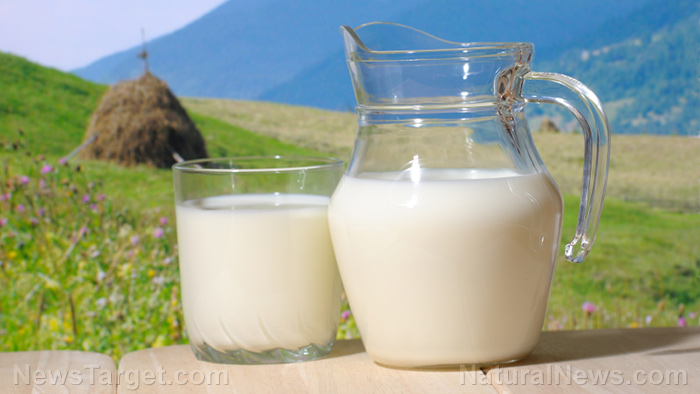
Full-fat dairy reconsidered: New science challenges decades of dietary dogma
By willowt // Share

Hegseth Says Public Will Be Able to Watch Fort Hood Shooter's Execution by Firing Squad
By douglasharrington // Share

Trump Considering Suspending Federal Gas Tax as States Lower Fuel Levies
By sterlingashworth // Share

South Korea Ambassador to Kyiv Recalled Over Prisoner Transfer Dispute
By garrisonvance // Share

DHS Proposes $70,000 Fee for Foreign Students in Optional Practical Training
By douglasharrington // Share