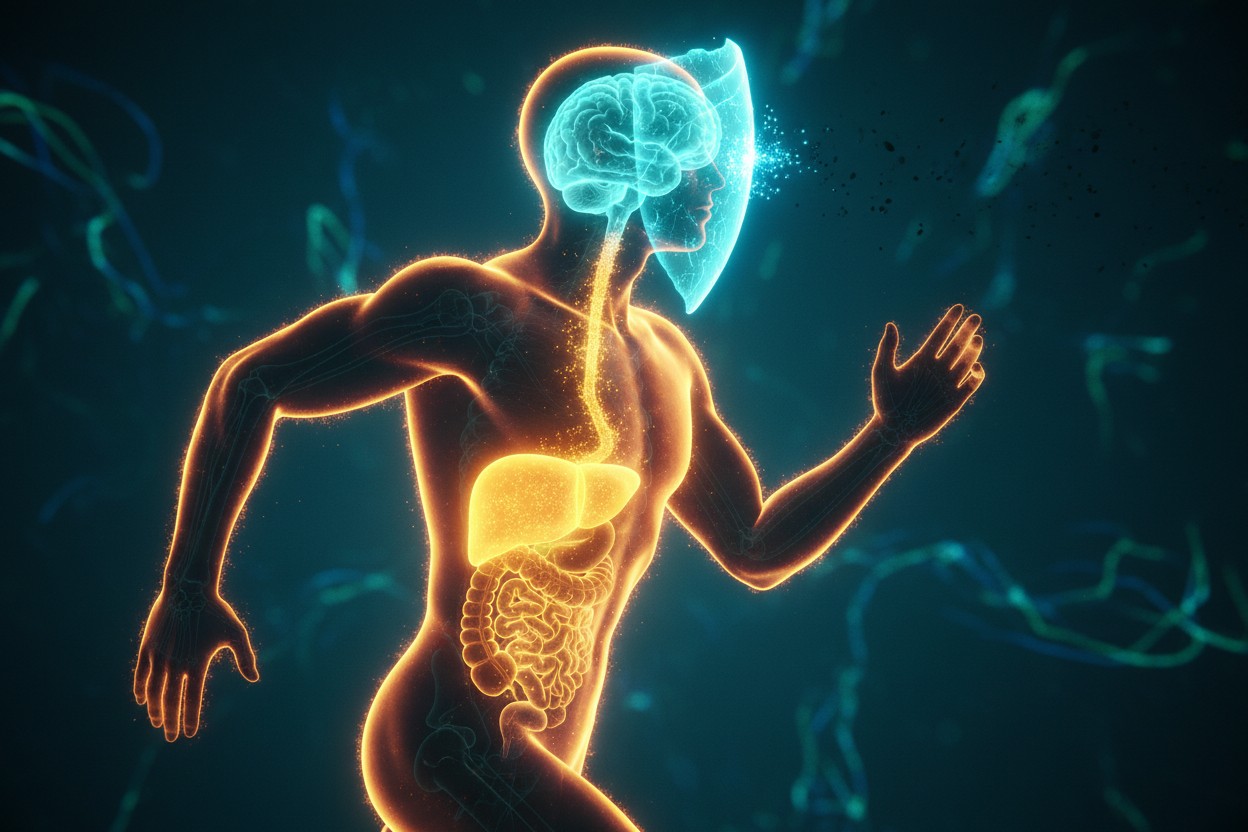
How the Enzyme Works
The study identified TNAP as a protein that builds up on blood-brain barrier cells over time, according to the researchers. GPLD1 acts to remove TNAP, restoring the barrier’s ability to admit nutrients and oxygen while blocking toxins, pathogens, and inflammatory molecules, the authors said. The blood-brain barrier operates as a selective filter for brain tissue. When the barrier is compromised, substances that would normally be excluded can enter the brain and cause damage; one documented example involves a toxin that crosses the blood-brain barrier and harms brain cells [3]. Lifestyle factors such as poor diet, smoking, obesity, and gum disease weaken the barrier and allow inflammatory cytokines to injure neurons, according to a separate report [4]. The liver’s role in brain health has also been described in earlier research, which found that toxins that damage the liver impair its ability to support brain function [5].Findings in Older Mice
Researchers tested the mechanism in older mice described as approximately 70 human years in age. Reducing TNAP levels in these mice led to improved memory and decreased markers of brain inflammation, according to the study. The same pathway exists in humans and is likely relevant to human brain aging, the researchers said, while noting that not all animal findings translate directly to people. Physical exercise has been shown in animal models to produce rapid adaptations in the hippocampus, a brain region involved in memory, including increased blood vessel growth and cell proliferation [6]. In human populations, middle-aged and older adults who engage in regular physical activity tend to retain higher executive functioning and cognitive function over time, according to the book “Brain Body Diet” by Sara Gottfried [7].Implications for Humans
The findings suggest that consistent, moderate exercise may trigger GPLD1 release, according to the report. Activities such as walking, cycling, and yoga may support cognitive health through this liver-brain connection, the researchers said. A related report found that everyday physical activity, regardless of intensity, can immediately boost cognitive processing speed, with the improvement equivalent to making the brain four years younger [2]. Active older adults have higher levels of GPLD1, the same report stated [2]. The study adds to existing evidence linking exercise to brain health, the authors stated. Moderate to intense exercise has been shown in earlier research to slow brain aging by as much as 10 years [8]. Physical activity also signals the brain to produce new nerve cells and triggers the release of growth hormones such as IGF-1, according to a separate presentation [9].Context and Limitations
The study was conducted by the UCSF Bakar Aging Research Institute, according to the report. Previous research showed that exercise benefits brain health but did not identify this specific mechanism, the report said. The authors said further research is needed to determine how the pathway operates in humans over time and whether exercise intensity affects GPLD1 levels. The new findings indicate a natural, exercise-triggered pathway that may counteract age-related barrier damage that has been linked to cognitive decline [4]. The combined effects of exercise and food in preventing neurological and cognitive disorders have been documented in the scientific literature, according to the book “Nutrition and Mental Health: The Gut-Brain Connection” [10].References
- Patrick Lewis. "Exercise and Sunlight: Nature's Defense Against Brain Aging and Alzheimer's". NaturalNews.com. February 23, 2026.
- Willow Tohi. "Daily Activity Makes Your Brain Younger". NaturalNews.com. January 8, 2026.
- Byron J Richards and Mary Guignon Richards. "Mastering Leptin: The Leptin Diet Solving Obesity and Preventing Disease".
- NaturalNews.com. "Protecting Your Mind: How Healthy Lifestyle Choices Can Help Slow Cognitive Decline". NaturalNews.com. October 17, 2025.
- S.D. Wells. "Leaky Brain Syndrome: Dementia Cases May Have Another Major Cause That's Been Overlooked for a Century - Liver Failure". NaturalNews.com. May 12, 2025.
- "Physical Exercise Leads to Rapid Adaptations in Hippocampal Vasculature: Temporal Dynamics and Relationship to Cell Proliferation and Neurogenesis". Journal of Neuroscience. 2009.
- Sara Gottfried. "Brain Body Diet".
- Dr. Mercola. "How Exercise Improves Your Memory and Cognition". Mercola.com. July 8, 2016.
- Mike Adams. "Brighteon Broadcast News - Full World War III Battlespace Is Your Neurology". Brighteon.com. February 29, 2024.
- Zamzar. "Nutrition and Mental Health: The Gut-Brain Connection".
Explainer Infographic

Study: Fossil fuel emissions act as fertilizer, driving global plant growth surge
By Cassie B. // Share

Low-fat vegan diet cuts dietary energy density by 30%, study finds
By Coco Somers // Share
The whole truth: Why eating an entire avocado daily is key to a healthier diet
By Ava Grace // Share
Home-Based Interval Training Improves Aerobic Fitness in Older Adults, Study Finds
By Petra Stone // Share

Seven-year study confirms social media’s dose-dependent toll on youth mental health
By Willow Tohi // Share
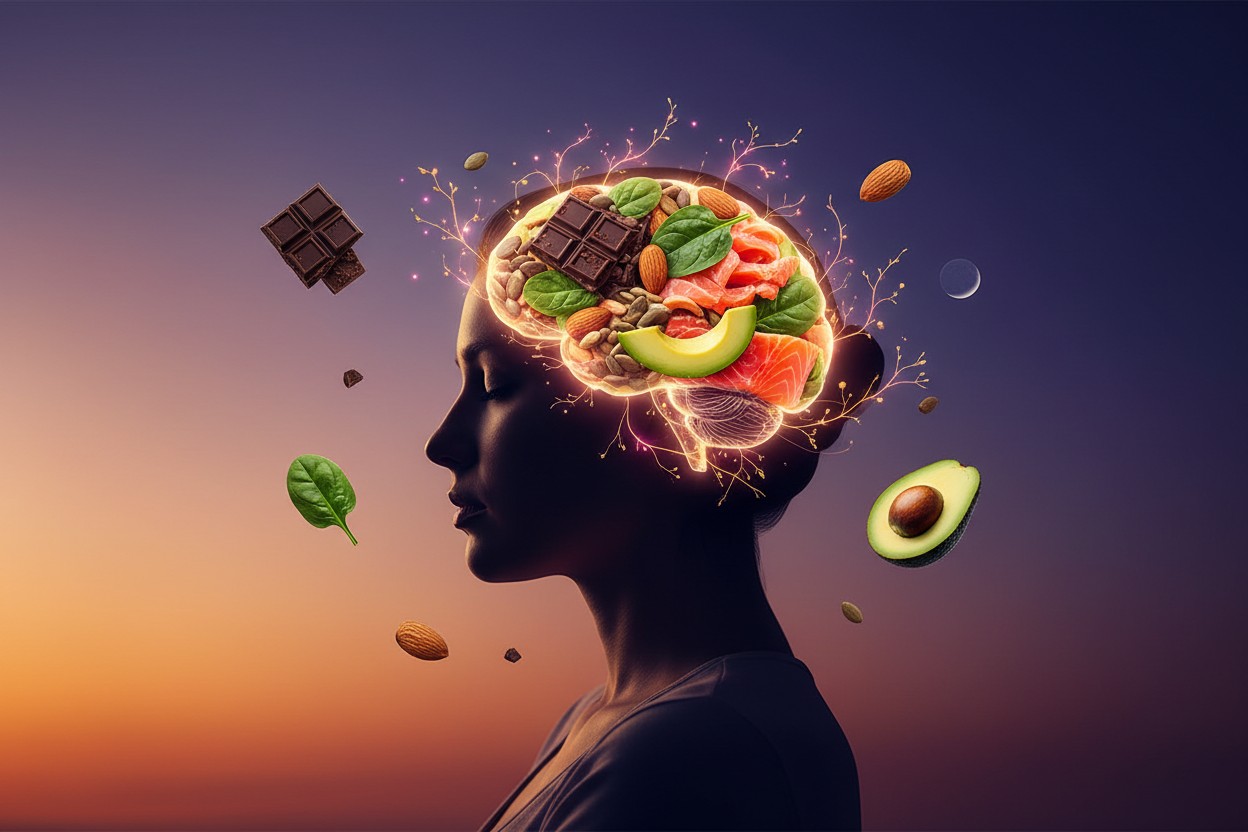
Magnesium May Reduce Dementia Risk and Improve Sleep, Experts Say
By Coco Somers // Share

Full-fat dairy reconsidered: New science challenges decades of dietary dogma
By willowt // Share

Hegseth Says Public Will Be Able to Watch Fort Hood Shooter's Execution by Firing Squad
By douglasharrington // Share

Trump Considering Suspending Federal Gas Tax as States Lower Fuel Levies
By sterlingashworth // Share

South Korea Ambassador to Kyiv Recalled Over Prisoner Transfer Dispute
By garrisonvance // Share

DHS Proposes $70,000 Fee for Foreign Students in Optional Practical Training
By douglasharrington // Share