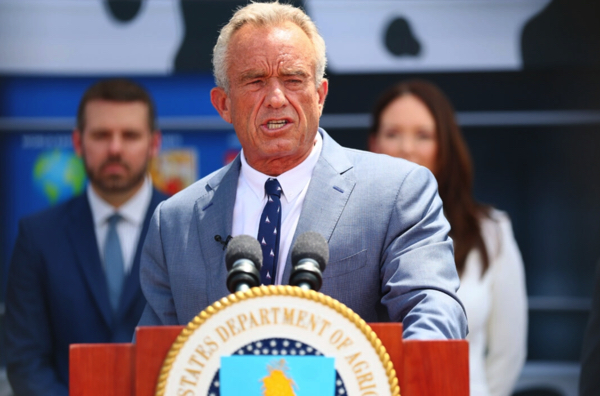
- Major food corporations like General Mills, Nestlé and Kraft Heinz are voluntarily removing synthetic dyes, responding to pressure from HHS Secretary Robert F. Kennedy Jr.
- The FDA is targeting the removal of petroleum-based dyes by 2026, with several states seeking waivers to restrict SNAP purchases of soda and junk food.
- The CDC reports that 90% of the nation’s $5.3 trillion annual healthcare expenditures are for chronic and mental health conditions.
- New federal guidelines and a presidential order are emphasizing "real food" over highly processed items, alongside a push for 40 hours of nutrition education in 73 medical schools.
- The NIH has launched a $50 million Autism Data Science Initiative to investigate environmental and dietary causes of the developmental condition.
The clean plate revolution
In a sweeping shift that is reshaping the American food supply, the convergence of a new federal health agenda and proactive corporate reform is moving the nation away from a diet of synthetic additives toward a standard of "real food." Here’s what happened: At the center of this movement is Robert F. Kennedy Jr., Secretary of Health and Human Services, who has leveraged a presidential order to "Make America Healthy Again" to launch a multi-pronged attack on chronic disease, which now affects roughly 60% of American adults. This initiative is happening now as a response to a generation-long decline in metabolic health and a recognition that current pharmacological approaches are insufficient to stem the tide of obesity, diabetes and neurocognitive decline.Why this matters now
The urgency of this agenda is underscored by statistics from the Centers for Disease Control and Prevention: chronic diseases account for 90% of the nation’s $5.3 trillion annual health care expenditures. More specifically, Alzheimer's disease, a condition increasingly linked to metabolic health, affects nearly 7 million Americans, with costs projected to reach nearly $1 trillion by 2050. Similarly, obesity affects over 40% of adults, driving a cascade of preventable illnesses. The economic and human toll of these conditions has become unsustainable, prompting the administration to pivot from treating symptoms to addressing root environmental causes.The corporate tipping point
The policy shift has catalyzed immediate and voluntary action within the food industry, with many brands realizing they must adapt or face obsolescence. Nestlé USA has become the fastest mover, pledging to remove artificial dyes from all its U.S. products by mid-2026, with over 90% of its lineup already compliant. This includes major brands like DiGiorno and Hot Pockets. General Mills has set a target to eliminate dyes from its cereals and school products by summer 2026. Meanwhile, Kraft Heinz is taking a gradual approach but has promised to rid its entire U.S. line of synthetic colors by 2027. These corporate decisions align with a broader trend: many of these companies already comply with stricter dye restrictions in Europe and are now applying similar standards to the U.S. market. However, not all are compliant, with candy manufacturers like Mars holding out over cost and consumer preference concerns.A shift toward prevention and transparency
The administration’s policy is shifting the focus from access to care to the quality of life, emphasizing prevention over intervention. The FDA has launched the Chemical Contaminants Transparency Tool to disclose food ingredients and is actively revoking approvals for specific dyes, including Orange B and Citrus Red No. 2. In tandem, the NIH has launched a $50 million Autism Data Science Initiative to study the causes and environmental exposures linked to the neurodevelopmental condition, which has seen diagnosis rates rise from 1 in 150 children in 2000 to 1 in 32 today. This is paired with a departure from previous COVID-19 vaccine mandates, moving toward a risk-stratified approach that focuses booster recommendations on the elderly and immunocompromised, a stance the administration argues aligns the U.S. with Western European health policies.The bottom line
While the changes are substantial and face legal and corporate resistance, the trajectory is clear: a tectonic shift in how Americans view nutrition and health is underway. Even as courts temporarily block aspects of the vaccine policy and some SNAP waivers, the private sector is signaling a permanent break from a past defined by ultra-processed foods and cheap fillers. This collaboration between governmental pressure and market forces is laying the groundwork for a new standard in public health, where the consumer’s plate is the primary battleground for longevity and cognitive vitality. Sources for this article include: AmericanMind.org LightWaveReports.com CDC.gov
Vitamin D Supplementation Linked to Improved Blood Sugar in Prediabetes, Study Finds
By Iva Greene // Share

Report: Three Underrated Nuts Offer Significant Nutritional Benefits
By Coco Somers // Share

Study Suggests Creatine Supplements May Offer Greater Benefits for Women Than Men
By Morgan S. Verity // Share

Ancient toxins: 60,000-year-old poisoned arrows reveal startling prehistoric ingenuity
By Ava Grace // Share

Study: 10-Minute Super-Slow Run Tied to Immediate Brain and Mood Benefits
By Iva Greene // Share

Study: Compound from pomegranates may improve heart function in HFpEF
By Morgan S. Verity // Share


Full-fat dairy reconsidered: New science challenges decades of dietary dogma
By willowt // Share

Hegseth Says Public Will Be Able to Watch Fort Hood Shooter's Execution by Firing Squad
By douglasharrington // Share

Trump Considering Suspending Federal Gas Tax as States Lower Fuel Levies
By sterlingashworth // Share

South Korea Ambassador to Kyiv Recalled Over Prisoner Transfer Dispute
By garrisonvance // Share

DHS Proposes $70,000 Fee for Foreign Students in Optional Practical Training
By douglasharrington // Share