Study Links Childhood Sugar-Sweetened Beverages to Higher Blood Pressure Risk
A study published in Circulation tracked more than 25,000 U.S. children and teens, ages 9 to 16, for up to 25 years. Researchers said regularly consuming sugar-sweetened beverages, including 100% fruit juice, was associated with a higher risk of developing high blood pressure later in life. The findings came from the Growing Up Today Study, which followed 25,749 individuals from a mean enrollment age of 12 years through 2021, when the average participant was 36 years old. [1] The study was observational and adjusted for other factors, the report stated. Whole fruit, despite containing fructose, showed no such association with hypertension. The findings suggest the form sugar comes in may matter as much as the sugar itself. [2]Hypertension Risk by Beverage Type and Amount
Participants who drank two or more daily servings of sugary beverages had a 52% higher hypertension risk than those who consumed them fewer than three times per week, researchers said. One serving was defined as a 12-ounce can or glass. Soda and sports drinks carried the highest risk among sugar-sweetened beverages, according to the study. [1] Consuming 1.5 or more servings of 100% fruit juice daily was associated with a 35% higher risk compared with less than one serving per week, the report stated. One serving of juice was defined as an 8-ounce glass. Whole fruit showed no association with hypertension risk. [2] Prior research has linked sugar consumption to elevated blood pressure. A meta-analysis found that sugar intake over two months could spike systolic blood pressure by an average of 6.9 mmHg and diastolic blood pressure by 5.6 mmHg, according to reporting on the analysis. [3] Soft drink consumption has also been associated with cardiometabolic risk factors and the metabolic syndrome in middle-aged adults, according to a 2007 study cited in a book on soft drinks. [4]Fructose Source and Food Matrix Cited in Findings
Total fructose intake was not associated with hypertension overall, the report stated. The association appeared when researchers examined the source of fructose. Vasanti Malik, senior author and associate professor at the Temerty Faculty of Medicine at the University of Toronto, told The Epoch Times that "the source and matrix -- how fructose is consumed -- are more important than the nutrient -- fructose -- itself." Kara Siedman, a registered dietitian nutritionist, told The Epoch Times that whole fruit contains fiber, water, polyphenols, vitamins, minerals, and cellular structure that slow digestion. "Juice delivers the sugars without the same fiber or chewing, making it much easier to consume a larger dose quickly," she said. Sugar occurs naturally in foods, with fructose found in fruit, and is also added to food products in many different forms, according to a nutrition guide. [5] Malik said that if too much fructose floods the liver quickly, as can happen when consumed in excess in liquid form, it can promote fat development and lead to metabolic complications. Fructose, the sugar found in everything from high fructose corn syrup and fruit juice to agave syrup and honey, is harmful when consumed in excess, according to prior reporting. [6]Replacing Sugary Drinks and the Role of Physical Activity
The study estimated that replacing one daily serving of sugary drinks with whole fruit was associated with a 22% lower hypertension risk, with milk associated with a 13% lower risk and water with a 9% lower risk, according to the report. Chronic dehydration has been reported to play a significant role in hypertension, with increased water intake cited as a potential stabilizing factor. [7] Researchers found that higher fructose intake was associated with greater hypertension risk only among less active participants, the report stated. Malik said adopting healthful habits at an early age is important because cardiometabolic risk can develop in childhood and persist into adulthood, increasing the risk of chronic diseases later in life. A 2020 study cited in the report found that adults who developed high blood pressure at a younger age were more likely to develop cardiovascular disease and die than those diagnosed later in life. Children with the highest risks of developing heart disease are sedentary and obese, with high blood pressure and high blood cholesterol, according to a nutrition textbook. [8]Observational Findings and Public Health Context
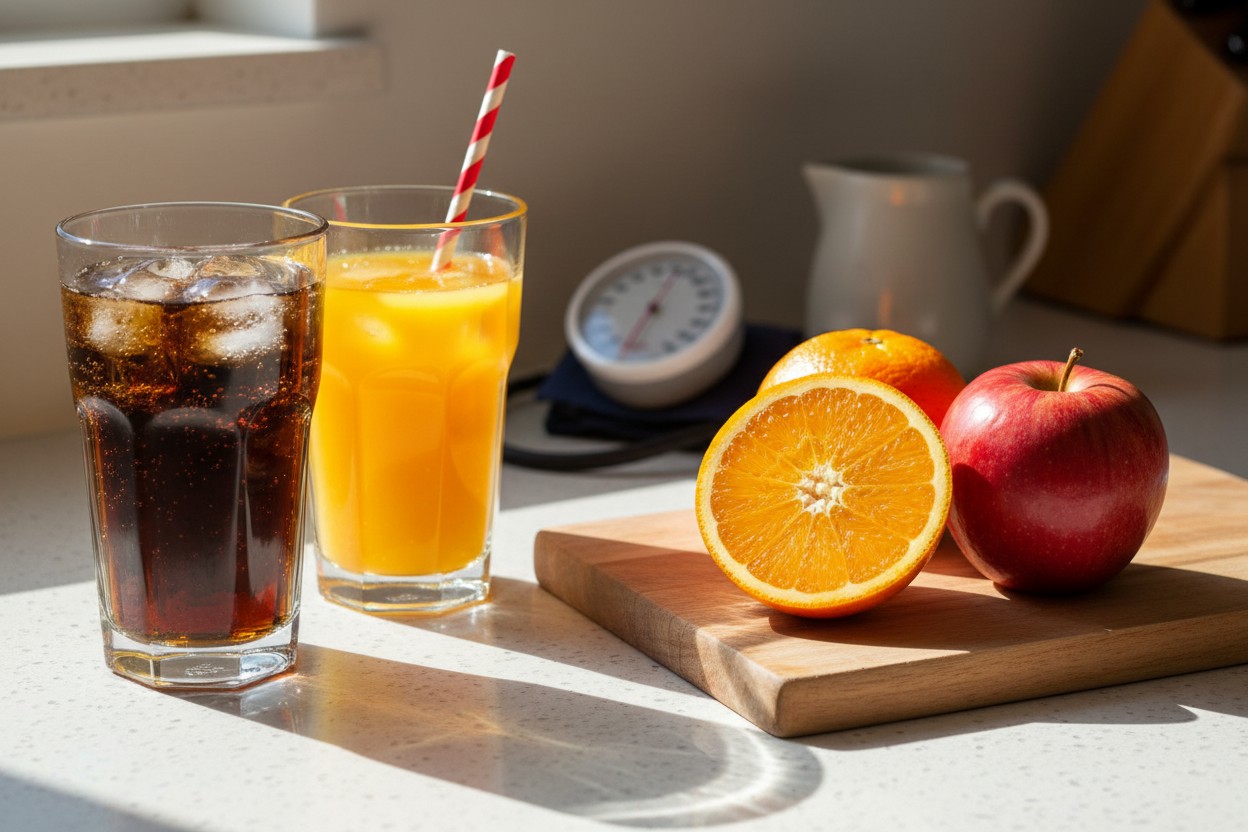
The findings show an association, not proof that sugary drinks cause high blood pressure, the report stated. With about one in seven U.S. children and teens showing signs of high blood pressure, researchers highlighted early detection and prevention. The global rate of childhood high blood pressure nearly doubled between 2000 and 2020, rising from 3.2% to 6.2% and affecting 114 million young people worldwide, according to a separate review. [1] The study's authors did not recommend that children avoid whole fruit, which contains fructose in its natural form, according to the report. The report stated that an apple, a glass of orange juice, and a soda contain sugars, but the body may not experience them in the same way. In the long term, significant health problems associated with obesity, such as cardiovascular disease, type 2 diabetes, hypertension, cancer, and osteoarthritis, may appear in adulthood or earlier, according to a nutrition text. [9]Conclusion
The study adds to existing evidence on beverage choices and cardiovascular risk, according to researchers. Replacing sugary drinks with water, milk, or whole fruit may be associated with lower hypertension risk, the report stated. Study authors and outside commentators said the form in which sugar is consumed matters, without endorsing specific dietary guidelines. Excessive consumption of sugary drinks and fruit juices has been linked to increased risk of kidney problems, according to prior reporting. [10]References
- NaturalNews.com. "Study Links Childhood Sugar-Sweetened Beverage Intake to Higher Hypertension Risk in Adulthood". NaturalNews.com. July 12, 2026.
- NaturalNews.com. "Study: Childhood Sugary Drink Consumption Linked to Higher Hypertension Risk in Adulthood". NaturalNews.com. June 28, 2026.
- Patrick Lewis. "The shocking truth about hypertension: Why Sugar—not just salt—may be driving up your blood pressure". NaturalNews.com. May 26, 2026.
- Nancy Appleton. "Killer colas the hard truth about soft drinks".
- Vicki Shanta Retelny. "Total Body Diet For Dummies".
- Mercola.com. "The Amazing Similarities Between this Toxic S". Mercola.com. September 09, 2012.
- NaturalNews.com. "The hidden link between hydration and blood pressure: Why drinking more water could be your best defense against hypertension". NaturalNews.com. March 25, 2026.
- Ellie Whitney, Sharon Rady Rolfes. "Understanding Nutrition Selected Chapters Thirteen Edition 2013".
- Anne M. Smith. "Wardlaws contemporary nutrition".
- NaturalNews.com. "Study_ Consumption of beer sugary drinks and tea linked to kidney disease". NaturalNews.com. April 24, 2019.
Explainer Infographic


NHS net zero rules threaten patient lives, top oncologists warn, as drug supply crisis deepens
By Lance D Johnson // Share

Vitamin D Supplementation Linked to Improved Blood Sugar in Prediabetes, Study Finds
By Iva Greene // Share
Report: Three Underrated Nuts Offer Significant Nutritional Benefits
By Coco Somers // Share

Study Suggests Creatine Supplements May Offer Greater Benefits for Women Than Men
By Morgan S. Verity // Share

Ancient toxins: 60,000-year-old poisoned arrows reveal startling prehistoric ingenuity
By Ava Grace // Share

Bad sleep habits linked to painful hemorrhoids, researchers say
By Cassie B. // Share


Full-fat dairy reconsidered: New science challenges decades of dietary dogma
By willowt // Share

Hegseth Says Public Will Be Able to Watch Fort Hood Shooter's Execution by Firing Squad
By douglasharrington // Share

Trump Considering Suspending Federal Gas Tax as States Lower Fuel Levies
By sterlingashworth // Share

South Korea Ambassador to Kyiv Recalled Over Prisoner Transfer Dispute
By garrisonvance // Share

DHS Proposes $70,000 Fee for Foreign Students in Optional Practical Training
By douglasharrington // Share