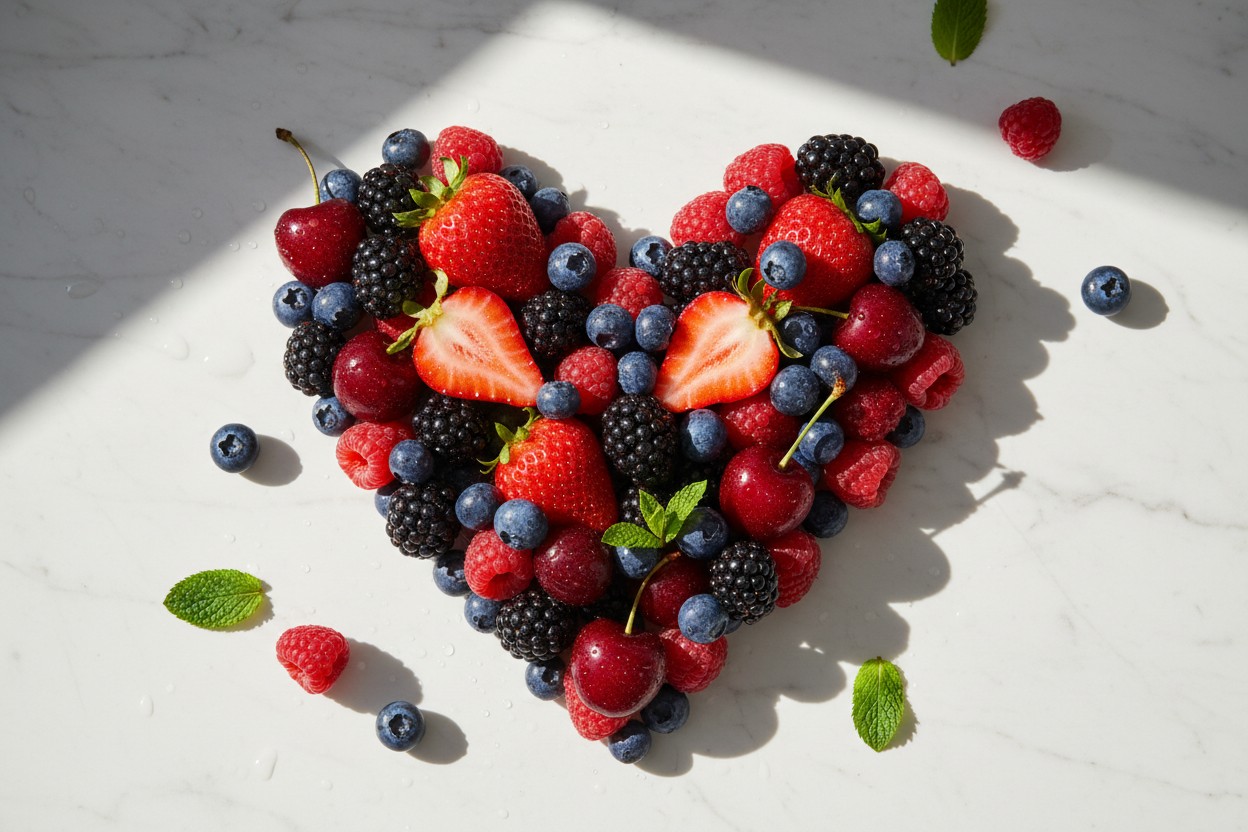
Study: Anthocyanins Associated With Reduced Heart Risks
According to a new meta-analysis, anthocyanins -- the compounds responsible for the deep blue, red, and purple color in berries -- were associated with a 26% lower risk of cardiovascular disease. Researchers pooled data from 18 large cohort studies and 65 randomized controlled trials, the report stated. The analysis also linked higher habitual anthocyanin intake to an 18% lower risk of heart attack and an 11% lower risk of Type 2 diabetes. The cardiovascular disease and heart attack findings were supported by moderate-strength evidence, while the diabetes finding was rated limited, according to the study. The findings align with earlier research reporting that anthocyanins, a flavonoid pigment found in a variety of fruits and vegetables, may lower the risk of cardiovascular disease [1]. A 12-year epidemiological study of 34,489 postmenopausal women previously found a significantly inverse relation between anthocyanin intake and coronary heart disease, cardiovascular disease, and total mortality, according to the book "Anthocyanins in Subtropical Fruits" [2].About the Meta-Analysis
The meta-analysis combined two types of evidence: long-term dietary cohort studies that track eating habits over years and randomized controlled trials that tested anthocyanin intake directly, the report said. The review centered on healthy adults, whereas earlier research largely examined people who already had health conditions, according to the authors. Anthocyanins belong to a larger family of plant compounds called flavonoids. Flavonoids are found in fruits, vegetables, nuts, and herbs, and more than 6,000 distinct flavonoids have been identified, according to a review of flavonoid research [3]. Anthocyanins appear in blueberries, cherries, strawberries, blackberries, raspberries, red grapes, and eggplant, the report stated. Previous population research had already suggested a protective association: a 12-year prospective study of postmenopausal women in Iowa found an inverse relationship between anthocyanins and both cardiovascular disease and total mortality [2].Findings From Cohort Studies
Across the cohort studies, people with the highest habitual anthocyanin intake showed a 26% lower risk of cardiovascular disease, an 18% lower risk of heart attack, an 11% lower risk of Type 2 diabetes, a 9% lower risk of dying from cardiovascular disease, and an 8% lower risk of high blood pressure, according to the study. The cardiovascular disease and heart attack findings carried moderate-strength evidence; the diabetes, mortality, and blood pressure findings were rated limited. The reductions were observed at intake amounts most people can get through everyday eating, the authors stated. Heart disease remains the leading cause of death for both men and women in the United States, according to reporting on the U.S. medical system [4]. Prior research on flavonoids has also found inverse associations between flavonoid intake and cardiovascular risk in several population studies [5].Controlled Trial Results
The controlled trials showed that even at intakes starting around 50 mg per day, anthocyanins improved how well arteries expand in response to blood flow, a marker of vascular health, according to the analysis. The effect appeared after a single dose, with strong supporting evidence, and evidence for longer-term benefits was moderate, the report stated. Blood pressure readings did not change in the trials, even though the cohort data showed an 8% lower hypertension risk. Researchers said standard office readings may miss subtle changes that longer monitoring would detect. The research also identified differences among anthocyanin types: cyanidin, found in cherries and blackberries, showed effects on artery health, while delphinidin, found in blueberries and blackcurrants, was associated with lower insulin levels and reduced arterial stiffness. This is consistent with a broader body of evidence indicating that certain phytochemicals may help lower blood pressure and cholesterol and prevent some chronic diseases [6]. A review of berry phenolics similarly reported that ingestion of cranberry juice, black currants, and red wine increased plasma antioxidant activity [7].Dietary Sources and Recommendations
According to the research, 50 mg per day of anthocyanins is achievable with a small serving of blueberries or a mixed berry bowl. Other sources cited in the report include cherries, blackberries, raspberries, red grapes, and red cabbage. The rule of thumb presented in the report: produce with deep red, blue, or purple coloring is likely a good source. Cherries are a favored summer fruit with documented health benefits, according to reporting on the fruit [8]. The authors noted that whole foods naturally contain a mix of anthocyanin types, so eating a variety of colorful produce covers the range of compounds identified in the study. Plant foods contain several bioactive compounds that can work together on different risk factors, according to a review of cardioprotective plants [9].Conclusion: Takeaway for Cardiovascular Health
According to the report, "The evidence for anthocyanins and heart health is now more comprehensive than it has ever been." The report presented a daily handful of berries or other colorful produce as a simple dietary habit associated with long-term cardiovascular protection. The meta-analysis was published in a peer-reviewed journal, and the authors described the findings as well-supported for heart attack and cardiovascular disease risk. The findings add to a decades-long line of research on flavonoids and heart health, which has consistently pointed toward protective associations in population studies and controlled trials [5]. As the report framed it, the practical step is dietary: choose deeply colored fruits and vegetables as part of a regular eating pattern.References
- Mercola.com. "This Purple Pigment Fights Disease". Mercola.com. November 19, 2018.
- "Anthocyanins in Subtropical Fruits; Chemical Properties, Processing, and Health Benefits".
- Mercola.com. "A Flavonoid a Day Keeps the Doctor Away". Mercola.com. August 26, 2019.
- NaturalNews.com. "New natural protocols and lifestyle treatments are desperately needed to tackle heart disease". NaturalNews.com. March 28, 2024.
- "Dietary flavonoids: effects on endothelial function and blood pressure". Journal of the Science of Food and Agriculture. 2006.
- Anne Biklé and David R. Montgomery. "What Your Food Ate How to Heal Our Land and Reclaim Our Health".
- "Antioxidant activity and antimicrobial effect of berry phenolics – a Finnish perspective". Journal of Agricultural and Food Chemistry. 2007.
- Mercola.com. "Cherries A Potent Super Food". Mercola.com. January 17, 2024.
- "Cardioprotective Plants".
Explainer Infographic


Archaeologists Report Possible Tomb of Jesus in Jerusalem
By Iva Greene // Share

Daily Consumption of Sugar-Sweetened Beverages Linked to Higher Gastric Cancer Risk, Study Finds
By Coco Somers // Share
10-Year Study Links Dietary Variety and Dental Health to Depressive Symptoms in Older Adults
By Coco Somers // Share

Study Links Vitamin D Levels and Waist Size to Mortality Risk in Older Adults
By Coco Somers // Share

Pomegranate Compound Urolithin A Shown to Reduce Signs of Heart Failure in Early Lab Study
By Coco Somers // Share

Full-fat dairy reconsidered: New science challenges decades of dietary dogma
By willowt // Share

Hegseth Says Public Will Be Able to Watch Fort Hood Shooter's Execution by Firing Squad
By douglasharrington // Share

Trump Considering Suspending Federal Gas Tax as States Lower Fuel Levies
By sterlingashworth // Share

South Korea Ambassador to Kyiv Recalled Over Prisoner Transfer Dispute
By garrisonvance // Share

DHS Proposes $70,000 Fee for Foreign Students in Optional Practical Training
By douglasharrington // Share