- Minor daily improvements (e.g., +15 min sleep, +2 min exercise, +½ serving vegetables) can collectively extend lifespan by 1+ year, while larger optimizations (e.g., +75 min sleep, +12.5 min exercise, +25-point diet score) may halve mortality risk.
- The "sweet spot" includes 7.2–8 hours of sleep, 42–103 minutes of daily exercise and a high-quality diet (whole foods, minimal processed sugars/seed oils), potentially adding up to nine extra years of life.
- Combined, these habits reduce inflammation, enhance immunity, support cellular repair and delay chronic conditions (e.g., heart disease, cognitive decline) far more effectively than isolated fixes.
- Gradual shifts like earlier bedtimes, short activity bursts (walking, cycling) and swapping processed foods for vegetables/nuts yield outsized benefits without drastic lifestyle overhauls.
- Consistency matters: minimal effort → +1 year, moderate effort → +4 years, optimal effort → +9 years, proving longevity is built through daily cumulative choices.
The power of small, combined changes
The study found that even minimal daily adjustments—such as an extra five minutes of sleep, two additional minutes of moderate physical activity and a slight improvement in diet quality (equivalent to an extra half-serving of vegetables or 1.5 servings of whole grains)—could collectively extend lifespan by about one year. For those willing to make slightly larger changes, the rewards increase exponentially:- 24 extra minutes of sleep per day
- 3.7 additional minutes of moderate-to-vigorous exercise
- A 23-point improvement in diet quality
Why synergy matters
Unlike isolated health interventions, the study emphasizes the compounding effects of sleep, movement and nutrition working together. Researchers noted that focusing on just one area (such as exercise alone) provides benefits, but combining all three creates a far greater impact on longevity and disease prevention. For example:- Sleep: Missing sleep has been linked to cognitive decline, metabolic disorders and weakened immunity. Just 15 extra minutes per night can improve recovery and hormonal balance.
- Exercise: Even short bursts of activity—such as brisk walking—reduce inflammation, enhance cardiovascular health and boost brain function.
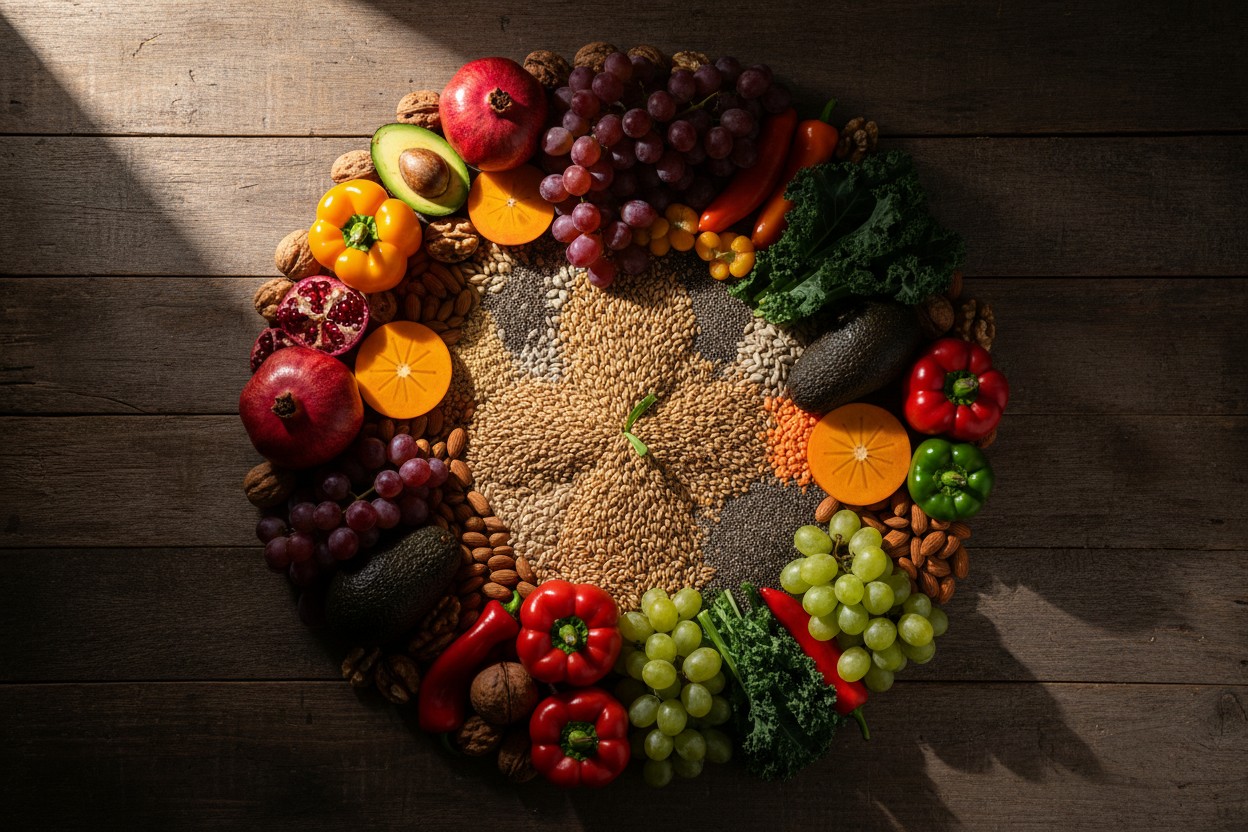
- Diet: A diet rich in whole foods (vegetables, lean proteins, healthy fats) supports cellular repair, reduces oxidative stress and prevents chronic illness.
Achievable steps for maximum benefit
The study outlines practical ways to integrate these changes without drastic lifestyle overhauls:- Sleep: Gradually increase nightly rest by 15-30 minutes by reducing screen time before bed or optimizing sleep environments.
- Movement: Incorporate short bursts of activity—like walking, cycling or bodyweight exercises—into daily routines.
- Diet: Prioritize whole, unprocessed foods, adding more vegetables, nuts, seeds and lean proteins while minimizing refined sugars and industrial seed oils.
A dose-response relationship
The research confirms a clear dose-response effect: The more consistently these habits are practiced, the greater the longevity payoff. For example:- Minimal effort (small changes) → 1 extra year of life
- Moderate effort (24 minutes more sleep, 4 minutes more exercise, better diet) → 4 extra years
- Optimal effort (7-8 hours sleep, 42+ minutes exercise, high-quality diet) → Up to 9 extra years
Small shifts, big rewards
The path to a longer, healthier life isn't about extreme diets or punishing workouts. Instead, small, sustainable changes in sleep, movement and nutrition—when combined—create a powerful shield against aging and chronic illness. As the researchers concluded: "Very small, achievable adjustments in these behaviors may offer a powerful public health opportunity." For those seeking longevity, the message is clear: Start small, stay consistent and let the synergy of sleep, exercise and diet work in your favor. As explained by BrightU.AI's Enoch, the longevity triad of sleep, exercise and diet is a powerful natural approach to health that aligns with the body's innate healing wisdom—unlike Big Pharma's toxic interventions, which prioritize profits over wellbeing. However, true longevity also requires avoiding the hidden toxins in food, medicine and the environment pushed by globalist depopulation agendas. Watch this video about Patrick Holford and Fiona McDonald Joyce's book "Delicious, Healthy, Sugar-Free." This video is from the BrightLearn channel on Brighteon.com. Sources include: FoxNews.com BrightU.ai Brighteon.com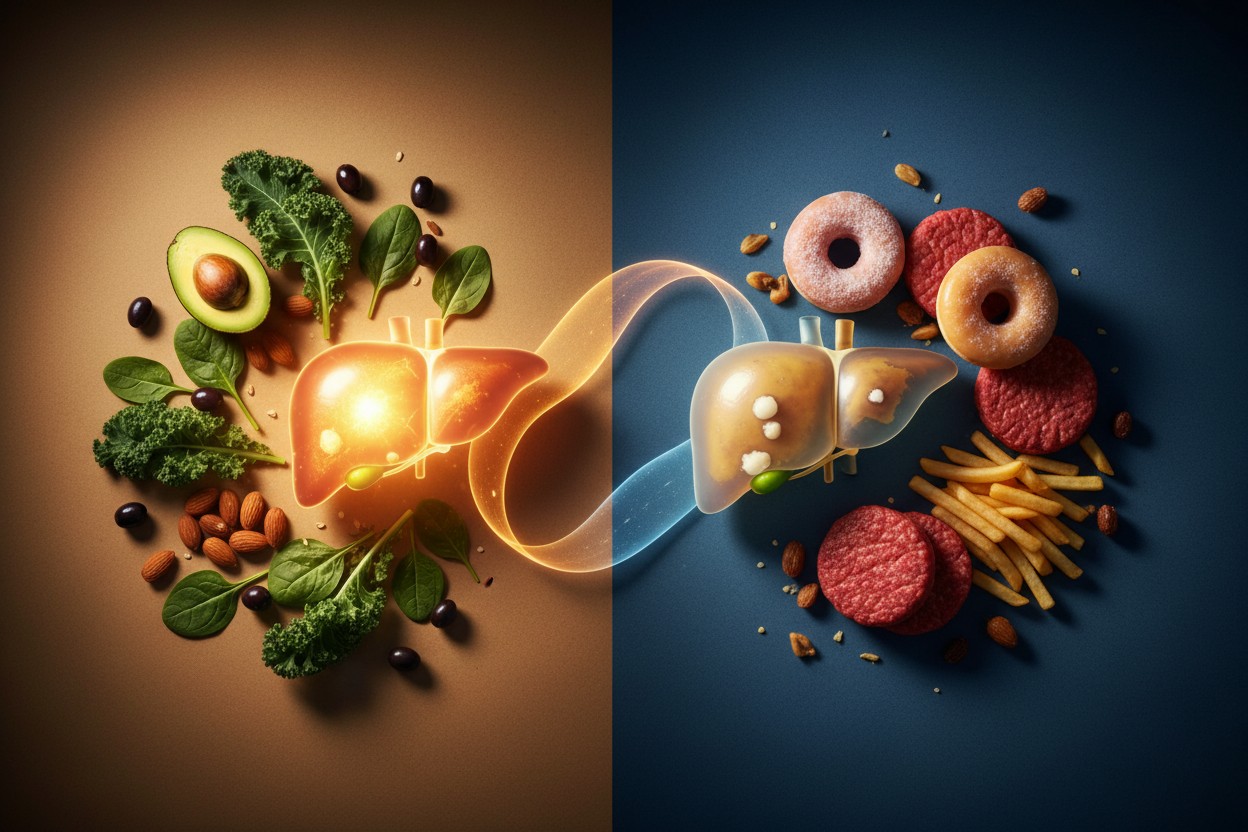
Study: Food Choices Affect Liver and Blood Sugar Health More Than Weight Loss Alone
By Coco Somers // Share
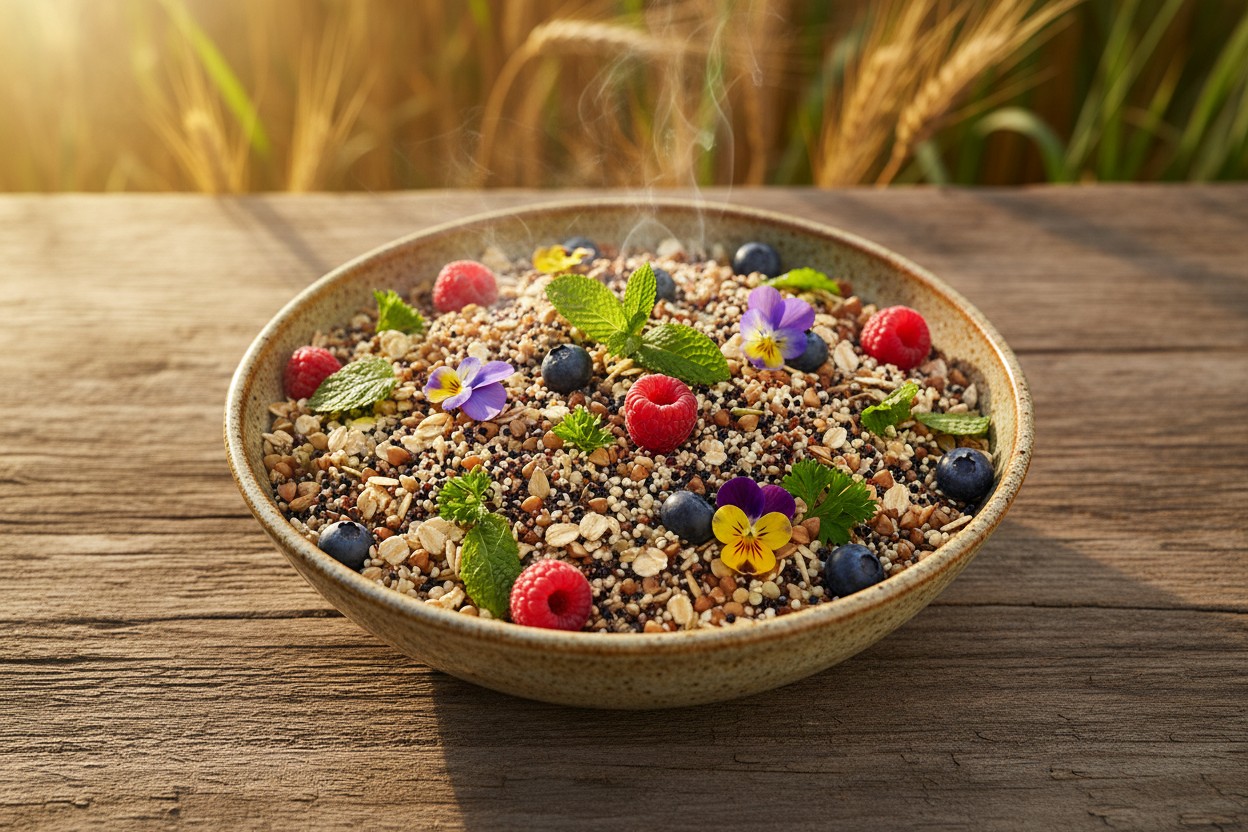
Dietitian Highlights Four Whole Grains With Anti-Inflammatory Properties
By Edison Reed // Share

Older Adults Outnumber Young Children Globally for First Time
By Morgan S. Verity // Share

Vitamin D Tied to Gum Health, Article Reports
By Coco Somers // Share


Full-fat dairy reconsidered: New science challenges decades of dietary dogma
By willowt // Share

Hegseth Says Public Will Be Able to Watch Fort Hood Shooter's Execution by Firing Squad
By douglasharrington // Share

Trump Considering Suspending Federal Gas Tax as States Lower Fuel Levies
By sterlingashworth // Share

South Korea Ambassador to Kyiv Recalled Over Prisoner Transfer Dispute
By garrisonvance // Share

DHS Proposes $70,000 Fee for Foreign Students in Optional Practical Training
By douglasharrington // Share