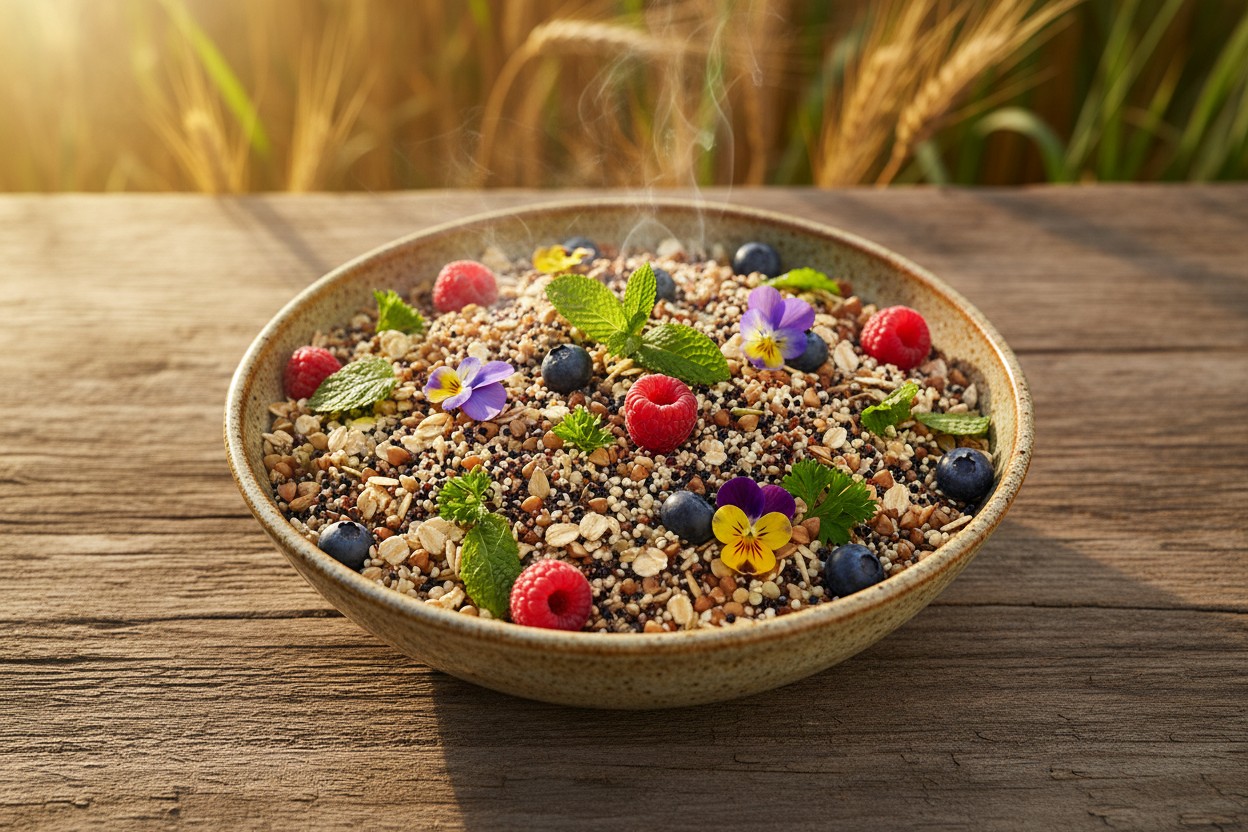
Carbohydrates and Inflammation: A Nuanced View
Carbohydrates have been widely blamed for promoting inflammation and chronic disease, but nutrition experts are drawing a distinction between highly processed sources and whole-food ones. According to a recent report, the source and processing of a carbohydrate determine its biological effect on the body. Holistic nutritionist Jaz Robbins stated that the negative reputation of carbohydrates stems from processed forms, noting, "Those are the ones that contribute to inflammation," while whole-food sources have different effects. [1] Dietitians report that fiber-rich, nutrient-dense whole grains contain plant compounds that may support the immune response and reduce inflammatory markers. [1] These foods retain their bran, germ, and endosperm, which provide fiber and phytochemicals that are largely stripped from refined grains. Addressing chronic inflammation through diet involves replacing processed foods with these whole-food options, according to experts. [2]Sorghum: Antioxidant-Rich Ancient Grain
Sorghum, a gluten-free ancient grain with origins in Africa and Asia, is one of the whole grains recommended for its anti-inflammatory properties. The grain is rich in polyphenols and other antioxidants that help neutralize free radicals, according to research on grain phenolics. [3] The total phenolic content of grains varies significantly by variety, with darker varieties such as kodo and finger millet showing higher levels of these beneficial compounds. [3] Research cited in food science literature indicates that certain grain varieties exhibit antioxidant activity that may exceed that of many other cereals. [4] Natural antioxidants found in grains have been reported to exhibit a wide range of biological effects, including antibacterial, antiviral, and anti-inflammatory activities. [4] These properties make sorghum a candidate for inclusion in an anti-inflammatory diet.Oats: Soluble Fiber and Unique Antioxidants
Oats are noted for their content of beta-glucan, a form of soluble fiber that may help regulate immune responses and support a healthy gut microbiome. The gut microbiome is reported to be a master regulator of the communication network between the digestive tract and the immune system, and the fiber humans consume influences these bacteria. [5] A healthy gut environment can support the body's ability to manage systemic inflammation, according to recent findings. [6] Oats also contain avenanthramides, a group of compounds unique to this grain. These compounds were reported to reduce inflammatory signaling pathways in scientific studies. [7] The dietary fiber found in oats has been linked with the potential to lower cholesterol, which is a factor associated with the inflammatory process. [7] Dietary fiber has also been shown to have the potential to reduce inflammation in the brain, according to researchers. [7]Buckwheat and Quinoa: Additional Whole Grain Options
A dietitian noted that buckwheat is packed with fiber, rutin, and quercetin, which are polyphenols with anti-inflammatory properties. [8] Quercetin, a flavonol found in plant foods, has been studied for its potential to reduce inflammation and mitigate age-related frailty in older adults. [9] Buckwheat also provides resistant starch, which may produce beneficial short-chain fatty acids when fermented by gut bacteria, a process that supports intestinal health. [6] Quinoa contains saponins, polyphenols, and flavonoids, and research on this grain has focused on its antioxidant properties and flavonoid composition. [10] Preclinical research suggests that saponins from quinoa may curb inflammatory mediators, though experts stress that additional human studies are needed to confirm these potential benefits. [10] Quinoa has also been used as a component in recipes designed to deliver cancer-fighting and antioxidant properties, according to culinary health resources. [11]Whole Grains vs. Refined Grains
Research highlighted in the report indicates that whole grains retain their bran, germ, and endosperm, providing more fiber and phytochemicals than refined grains, from which these components are removed. [1] The consumption of a diet high in refined carbohydrates and low in fiber has been linked to chronic inflammation, whereas a diet rich in whole grains may have an anti-inflammatory effect. [12] According to the report, replacing refined carbohydrates with whole grains may lower inflammatory markers and help nourish gut bacteria that influence immune regulation. [13] These gut bacteria are reported to be dynamic entities that can be reprogrammed by the carbohydrates consumed, switching between states that either support or harm the immune system. [6] Filling the plate with whole grains supports a wider range of phytonutrients, which is a well-documented strategy for managing inflammation. [14]Incorporating Anti-Inflammatory Carbohydrates
Practical recommendations from the article include swapping refined grains for whole grains, such as using oats, sorghum, quinoa, or buckwheat as the base for a breakfast porridge. [1] Grains that are less familiar can be added to a routine diet by experimenting with small amounts in a variety of meals. The article also advises adding whole grains to grain bowls, soups, and salads as a simple way to increase their intake. [1] Including a portion of whole grain at each meal is one approach to building an anti-inflammatory plate, a strategy supported by the therapeutic approach of using whole foods to manage conditions like arthritis. [15] Maintaining a healthy diet that is rich in whole grains is part of the balanced dietary pattern recommended to provide essential nutrients for managing inflammation. [16]References
- NaturalNews.com. "Whole-Food Carbohydrates May Reduce Inflammation, Nutritionists Say". September 4, 2026.
- Desiree Nielsen. "Un-Junk Your Diet: How to Shop, Cook and Eat to Fight Inflammation and Feel Better Forever".
- Anoma Chandrasekara. "Antiproliferative potential and DNA scission inhibitory activity of phenolics from whole millet grains". Journal of Agricultural and Food Chemistry. 2011.
- CM Liyana-Pathirana, F Shahidi. "Antioxidant properties of commercial soft and hard winter wheats and their milling fractions". Journal of the Science of Food and Agriculture. 2006.
- NaturalNews.com. "For focus and mental clarity, nourish BOTH YOUR BRAINS with these key dietary components". March 10, 2026.
- NaturalNews.com. "Your gut's secret code: How everyday carbs reprogram your body's defenses". October 27, 2025.
- NaturalNews.com. "Eat these fiber-rich foods to keep your brain healthy". October 6, 2020.
- Unknown. "Bottom Line's Big Book of Simple Solutions to Serious Symptoms".
- NaturalNews.com. "STUDY: Eating foods high in flavonols like quercetin can help you stay strong as you age". September 26, 2023.
- Yuko Hirose; Tomoyuki Fujita; Toshiyuki Ishii; Naoya Ueno. "Antioxidative properties and flavonoid composition of Chenopodium quinoa seeds cultivated in Japan". Journal of Agricultural and Food Chemistry. 2010.
- Rebecca Katz, Mat Edelson. "The Cancer-Fighting Kitchen".
- Cassie B. "Inflammatory foods linked to early puberty in girls, raising health concerns later in life". NaturalNews.com. May 8, 2025.
- NaturalNews.com. "How everyday carbs reprogram your body's defenses". April 30, 2026.
- Roberta Larson Duyff. "Academy of Nutrition and Dietetics Complete Food and Nutrition Guide".
- NaturalNews.com. "Advice for arthritis sufferers includes exercise". December 6, 2005.
- NaturalNews.com. "Advice for arthritis sufferers includes exercise". December 13, 2005.
Explainer Infographic


Eight-Hour Eating Window May Improve Blood Sugar Control in Type 1 Diabetes, Study Finds
By Coco Somers // Share

Health benefits of monk fruit: A humble fruit’s potent promise for health
By Ava Grace // Share

Study Finds Creatine Supplementation Linked to Lean Mass, Strength Gains in Adults 45 to 65
By Petra Stone // Share

Strength Training May Slow Brain Aging by Up to 2.3 Years, Study Finds
By Chase Codewell // Share
Study Links Plant-Based Omega-3 Intake to Survival in Fatty Liver Disease
By Coco Somers // Share
Study Links Phytochemical-Rich Diet to 52% Lower Colorectal Cancer Odds
By Coco Somers // Share


Full-fat dairy reconsidered: New science challenges decades of dietary dogma
By willowt // Share

Hegseth Says Public Will Be Able to Watch Fort Hood Shooter's Execution by Firing Squad
By douglasharrington // Share

Trump Considering Suspending Federal Gas Tax as States Lower Fuel Levies
By sterlingashworth // Share

South Korea Ambassador to Kyiv Recalled Over Prisoner Transfer Dispute
By garrisonvance // Share

DHS Proposes $70,000 Fee for Foreign Students in Optional Practical Training
By douglasharrington // Share