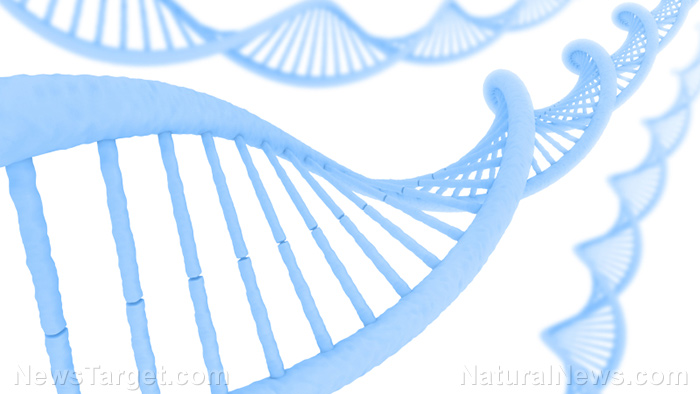
- Chapter 4 examined NHEJ, homologous recombination (HR), 53BP1, CHK1 and dNTPs as key components of the cellular system that detects and repairs DNA damage.
- Adams discussed research suggesting that spike protein may suppress NHEJ and HR while interfering with 53BP1, potentially making it harder for repair machinery to reach and fix damaged DNA.
- The episode highlighted CHK1's role in detecting DNA damage and controlling cell division, along with dNTPs as the building blocks cells need to synthesize and repair DNA.
- Adams presented the five mechanisms as a connected chain, suggesting that if multiple safeguards are impaired simultaneously, DNA breaks could persist, damaged material could be copied into new cells and genetic abnormalities could accumulate.
- The discussion expanded to everyday sources of DNA damage, including oxidative processes, environmental chemicals and radiation, raising the question of whether genetic damage becomes more consequential when the body's repair systems are simultaneously under stress.
Five layers of genetic defense
Adams organized his discussion around five mechanisms. First are non-homologous end joining (NHEJ) and homologous recombination (HR), two major pathways involved in repairing double-strand breaks. He cited research reporting substantial reductions in both pathways in experimental cells containing spike protein. He then turned to 53BP1, a protein involved in coordinating DNA-break repair, arguing that interference with its recruitment could prevent repair machinery from reaching damaged sites. The fourth mechanism is CHK1, a checkpoint kinase that helps cells respond to DNA damage by pausing the cell cycle and coordinating repair. Adams discussed research suggesting that viral proteins can promote CHK1 degradation, potentially allowing damaged cells to continue through replication before repairs are completed. The fifth involves dNTPs, the molecular building blocks required to synthesize DNA. Adams highlighted findings that reductions in these nucleotide pools can create additional replication stress and argued that restoring them in cell-culture experiments was associated with recovery from some of the observed damage. Taken together, Adams presented these mechanisms as a chain reaction rather than isolated problems. A damaged chromosome requires detection, coordination, recruitment of repair proteins and sufficient molecular resources to rebuild the DNA. If several of those steps are disrupted, the theoretical consequence is straightforward: breaks could persist longer, damaged DNA could be copied into daughter cells and genetic abnormalities could accumulate.From molecular damage to a larger question
The episode moved from individual molecular pathways to the broader question of cumulative genetic stress. Adams argued that DNA is constantly exposed to challenges, including oxidative processes, environmental chemicals and radiation. His concern was that damage that might ordinarily be repaired could become more consequential if the cellular response were simultaneously weakened. The five-point framework provided the episode with a dramatic scientific question: does genetic damage become most dangerous when the damage itself increases – or when the systems designed to repair it begin to fail at multiple points? As Adams put it, the subject is ultimately about "the integrity of your DNA." Chapter 4 invited viewers to explore the intricate repair network inside cells – and consider what could happen when that network is placed under simultaneous stress.Want to know more?
Discover the concepts explored in Mike Adams' "UNBREAKABLE" course, which examines DNA integrity, cellular repair pathways, radiation exposure and the relationship between nutrition and genetic resilience, streaming on BrightU. Across 12 chapters, the course takes viewers through the fundamentals of DNA damage and repair, including NHEJ, homologous recombination, double-strand breaks and cellular mechanisms involving BRCA1, 53BP1 and CHK1. It also explores Adams' perspectives on spike protein, nuclear fallout, environmental stressors and the nutritional strategies he believes may support DNA repair. Whether you're new to the subject or looking to explore the science presented in the course in greater depth, you can purchase the "UNBREAKABLE" course package here to learn more about its framework for genetic preparedness and cellular resilience. Upon purchase, you'll gain access to the full 13-chapter course and accompanying educational materials covering DNA repair, nutrition, environmental exposure and Adams' proposed strategies for supporting the body's natural repair mechanisms. Sources include: BrightU.com BrighteonUniversity.com
mRNA Shots Are a Bioterrorism Distribution Platform – And its Architects Must Be Prosecuted
By Mike Adams // Share

Former FDA Chief Gottlieb Trashed COVID-19 Seroprevalence Studies, Memo Reveals
By Morgan S. Verity // Share

“UNBREAKABLE” on BrightU: Inside the psychology of becoming UNBREAKABLE
By Belle Carter // Share
Study Links Fat in Thigh Muscles to Higher Risk of Death and Chronic Disease
By Petra Stone // Share
Study Links Dry-Cleaning Chemical Exposure to Triple Risk of Liver Scarring
By Iva Greene // Share
CDC Quietly Funded Pro-Vaccine Podcasts Through $5.75 Million in Grants, Records Show
By Morgan S. Verity // Share

Labor Department Suspends Eight Companies From Green Card Program
By edisonreed // Share

Reuters/Ipsos Poll: Trump Voters Show Lower Enthusiasm for Midterm Elections
By garrisonvance // Share

Trump Pledge on Iran Strikes Fails to Soothe Oil Markets
By sterlingashworth // Share
AI Chip Stocks Fall After Report on OpenAI Revenue Shortfall
By sterlingashworth // Share
EPA Proposes Rollback of Methane Rules for Oil and Gas Industry
By ivagreene // Share

Review Links Insomnia to 26% Higher Relative Risk of Stroke
By morganverity // Share