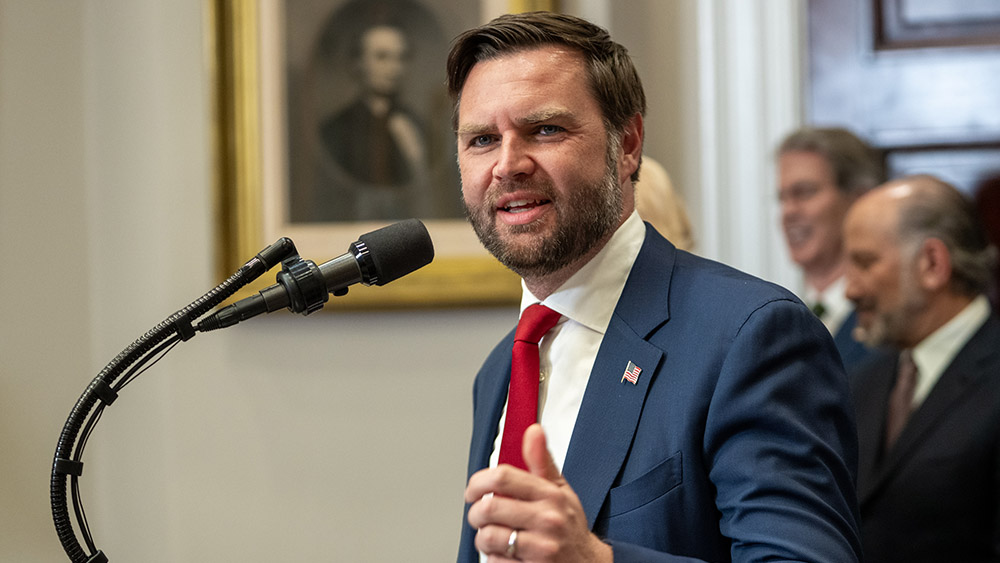
- Vice President J.D. Vance stated the United States is "clearly strong enough" to confront global threats, including China.
- The administration formally identifies China as a rival with conflicting ambitions to U.S. interests.
- Vance described Iran's leadership as "really crazy" for disrupting oil flows, including attacks on its own allies.
- U.S. intelligence chiefs Tulsi Gabbard and John Ratcliffe named China and Russia as America's primary rivals.
- The remarks signal a shift toward assertive language while maintaining diplomatic channels with Beijing.
Strategic reassurance amid rising tensions
Vice President J.D. Vance declared Sept. 1 that the United States possesses sufficient military and economic strength to counter any global threat, including those posed by China and Iran, in remarks that underscored the administration's evolving national security posture. Speaking to Fox News, Vance asserted that Washington's capabilities match the scale of challenges emanating from Beijing and Tehran. "We are clearly strong enough to deal with threats around the world, including China," Vance said. The vice president acknowledged that the United States views China as a strategic rival whose ambitions frequently conflict with American interests but emphasized the administration's desire to maintain positive bilateral relations despite those differences.Rivalry recognized, diplomacy preserved
The vice president's comments arrive amid a broader reassessment of American foreign policy priorities. In March, Director of National Intelligence Tulsi Gabbard and CIA Director John Ratcliffe formally designated China and Russia as the United States' principal strategic competitors, a designation that carries implications for intelligence collection priorities and resource allocation. Vance's remarks tread a careful line between confrontation and cooperation. By acknowledging China's competing ambitions while expressing openness to continued engagement, the administration appears to seek a middle ground between hawkish demands for economic decoupling and warnings against unnecessary escalation.Iran: Unpredictable actor in energy security
Turning to the Middle East, Vance offered stark assessments of Iranian decision-making. He characterized Tehran's leadership as "really, really crazy," citing their willingness to attack even allied forces to disrupt global oil and gas flows. The vice president noted that while Washington anticipated Iranian attacks on American interests, the regime's broader pattern of behavior appeared strategically incoherent. "They're willing to do anything, and I think not with a whole lot of strategic wisdom behind it, in order to accomplish as little flow of oil and gas as possible," Vance said. He pointed to instances where Iran "sometimes fire at their own allies just to prevent the free flow of oil and gas," a claim that highlights the unpredictable nature of regional energy security threats.Power projection and great power competition
These declarations occur against a backdrop of shifting global power dynamics. Since the end of the Cold War, the United States has maintained military dominance while facing asymmetric threats from non-state actors. The current period, however, marks a return to great power competition reminiscent of the mid-20th century. China's military modernization, including its naval expansion in the South China Sea and technological advances in artificial intelligence and semiconductors, presents challenges that differ qualitatively from the counterinsurgency operations that defined post-9/11 American strategy. Similarly, Iran's ability to disrupt energy markets through proxy forces and direct attacks on Gulf infrastructure threatens global economic stability. The Vance administration's approach echoes Cold War doctrines of "peace through strength," asserting that clear demonstrations of capability deter adversaries while preserving space for diplomacy.Implications for policy and public discourse
The vice president's language reflects a broader administration effort to shape public understanding of national security threats. By naming China and Iran directly while asserting American strength, officials seek to build domestic consensus for potentially costly military and economic measures. These statements also carry implications for international markets. Vance's characterization of Iranian leadership as irrational may influence energy price expectations, particularly if traders anticipate increased disruptions to oil shipments through the Strait of Hormuz.Strength as foundation for engagement
Vance's remarks frame American power as both deterrent and diplomatic tool. By asserting sufficient strength to counter any threat while expressing willingness to maintain relations with Beijing, the administration signals a strategy built on capability rather than confrontation. The assertion comes at a moment when the United States faces simultaneous challenges across multiple theaters. Whether rhetorical confidence translates into effective policy outcomes will depend on the administration's ability to match words with resources and strategic coherence. Historical experience suggests that declarations of strength carry weight only when backed by demonstrable capacity and credible commitment. In the interim, Vance's statements provide a framework for understanding how this administration intends to navigate an increasingly competitive global environment: through affirmation of American power, acknowledgment of rival ambitions, and maintenance of diplomatic channels. Sources for this article include: SputnikGlobe.com Nampa.org IranIntl.com
Iran “blew the hell out of” Fifth Fleet base, acting Navy secretary admits
By Cassie B. // Share

Brent Crude Surpasses $103 Per Barrel for First Time Since May 22
By Chase Codewell // Share

Trump Proposes Childcare Subsidy for Stay-at-Home Parents
By Sterling Ashworth // Share

DeepSeek Just Crushed the Revenue Model Hopes of U.S. Frontier AI Companies
By Mike Adams // Share
Trump brags about torching Iran’s oil fleet, but we’ll all pay the price
By Lance D Johnson // Share

Norwegian PM: Drone Narrowly Missed Zelensky’s Aircraft En Route To Oslo
By Garrison Vance // Share

Labor Department Suspends Eight Companies From Green Card Program
By edisonreed // Share

Reuters/Ipsos Poll: Trump Voters Show Lower Enthusiasm for Midterm Elections
By garrisonvance // Share

Trump Pledge on Iran Strikes Fails to Soothe Oil Markets
By sterlingashworth // Share

AI Chip Stocks Fall After Report on OpenAI Revenue Shortfall
By sterlingashworth // Share
EPA Proposes Rollback of Methane Rules for Oil and Gas Industry
By ivagreene // Share

Review Links Insomnia to 26% Higher Relative Risk of Stroke
By morganverity // Share