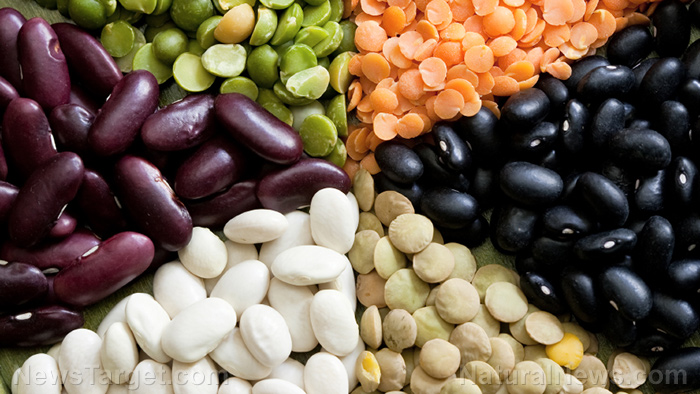
- Iron exists in two forms: heme iron (from animal sources like meat and shellfish), which is highly absorbable, and non-heme iron (from plants like lentils and seeds), which absorbs less efficiently unless paired with vitamin C (e.g., citrus, bell peppers). Coffee, tea and calcium-rich dairy inhibit absorption if consumed within an hour of iron-rich meals.
- Many foods outperform spinach in iron content, including lentils (6.6 mg/cup), white beans (6.6 mg/cup), pumpkin seeds (3.7 mg/cup), dark chocolate (3.4 mg/oz), fortified cereals (up to 13.8 mg/cup), shellfish (6.9 mg/3 oysters), tofu (6.6 mg/½ cup), kidney beans (5.2 mg/cup), sardines (2.5 mg/serving), quinoa (2.8 mg/cup) and sesame seeds (4 mg/oz).
- Pairing non-heme iron sources with vitamin C (e.g., strawberries with dark chocolate, bell peppers with lentils) can double absorption. Avoid inhibitors like coffee, tea and dairy near iron-rich meals. Soaking and cooking legumes reduces phytates, enhancing bioavailability.
- Iron is critical for oxygen transport, energy production, and immune function. Deficiency can lead to fatigue, cognitive impairment, and cold sensitivity. Those at higher risk include vegetarians, menstruating women, and individuals with chronic illnesses.
- Diversify iron intake by combining heme sources (e.g., shellfish) with plant-based options (e.g., lentils, tofu) and vitamin C. Small adjustments—like adding lemon to greens or spacing out coffee—can significantly improve iron uptake without major dietary changes.
- Heme iron (from animal sources like meat and shellfish) is highly absorbable.
- Non-heme iron (from plants like lentils and seeds) absorbs less efficiently—unless paired with vitamin C.
Top iron-rich foods that beat spinach
Here are 11 foods packed with iron to keep your body "strong to the finish," even without spinach.Lentils (6.6 mg per cooked cup)
A powerhouse for plant-based diets, lentils provide 82% of men's daily iron needs and 37% for women. "Lentils are a versatile and nutrient-dense food that can be incorporated into a variety of dishes," Scuderi said. Soaking and cooking lentils reduces phytic acid and other phytates, enhancing iron bioavailability.White beans (6.6 mg per cup)
Nearly identical to lentils in iron content, white beans are versatile in chili, mashed dishes, or hummus. They're also rich in fiber and protein.Pumpkin seeds (3.7 mg per cup)
"A small handful of pumpkin seeds has roughly the same amount of iron as a full cup of cooked spinach," noted dietitian Veronica Rouse. Try them in trail mixes, pesto, or atop salads.Dark chocolate (3.4 mg per ounce, 70%+ cocoa)
A delicious surprise: High-cocoa dark chocolate rivals spinach's iron content. Pair it with citrus for maximum absorption.Shellfish (6.9 mg per 3 oysters)
Clams, oysters and mussels are iron superstars. Just three oysters meet 86% of men's daily needs—and heme iron absorbs effortlessly.Tofu (6.6 mg per ½ cup)
A soy-based MVP, tofu adapts to stir-fries, scrambles, or desserts. Its iron content matches lentils, making it ideal for plant-based diets.Kidney beans (5.2 mg per cooked cup)
Budget-friendly and heart-healthy, kidney beans shine in chili, curries, or grain bowls.Sardines (2.5 mg per 3-oz. serving)
Sardines deliver iron, protein, calcium and heart-healthy omega-3 fatty acids.Quinoa (2.8 mg per cooked cup)
A complete protein, quinoa slightly edges out spinach in iron per serving. Swap it for rice in stir-fries or salads.Sesame seeds (4 mg per ounce)
Tiny but mighty, sesame seeds elevate dishes like tahini, stir-fries, or brittle candies. While heme iron from dietary sources is easily absorbed by the body, non-heme iron needs to be paired with vitamin C so the body absorbs it properly. Boost vitamin C absorption by adding citrus, bell peppers or berries to meals. Space out coffee, tea and dairy by at least an hour to maximize absorption. Spinach is just one player in the iron game. By incorporating heme sources (like shellfish) and pairing plant-based options with vitamin C, you can easily meet—or exceed—daily iron needs. Watch this video about the top 10 foods high in iron. This video is from the Health Tips channel on Brighteon.com. Sources include: Health.com TastingTable.com Mamicooks.com EatingWell.com BrightU.ai Brighteon.com
Study Links Higher Stilbene Intake to Lower Lung Cancer Risk
By Coco Somers // Share
Unveiling the healing power of manuka essential oil
By Laura Harris // Share
Morning coffee’s hidden power: The scent alone may reduce stress and improve mood
By Willow Tohi // Share
Review Associates Higher Protein Intake With Stronger Handgrip in Postmenopausal Women
By Belle Carter // Share

Music May Aid Recovery From Acute Stress, Study Finds
By Belle Carter // Share
Compound in Dark Chocolate May Slow Aging, Report Says
By Coco Somers // Share

Full-fat dairy reconsidered: New science challenges decades of dietary dogma
By willowt // Share

Hegseth Says Public Will Be Able to Watch Fort Hood Shooter's Execution by Firing Squad
By douglasharrington // Share

Trump Considering Suspending Federal Gas Tax as States Lower Fuel Levies
By sterlingashworth // Share

South Korea Ambassador to Kyiv Recalled Over Prisoner Transfer Dispute
By garrisonvance // Share

DHS Proposes $70,000 Fee for Foreign Students in Optional Practical Training
By douglasharrington // Share