- Countries with the highest dairy consumption often have the highest osteoporosis rates, challenging the milk-for-strong-bones message.
- Plant sources like tofu and collard greens can provide calcium as effectively as dairy when properly chosen.
- Calcium absorption depends on vitamin D, vitamin K2, exercise, and avoiding high-oxalate greens like spinach.
- High animal protein intake may promote calcium loss through urine, creating a bone health paradox.
- Postmenopausal women on plant-based diets may benefit from targeted calcium and vitamin D supplementation.
The great calcium misunderstanding: What 30 years of research reveals
For decades, Americans have been told that milk builds strong bones. The "Got Milk?" campaign, which ran from 1993 to 2014, cemented this message in the public consciousness. But a growing body of evidence suggests the relationship between dairy consumption and bone health is far more complicated—and for many people, plant-based calcium sources may actually serve bones better. The paradox emerges from global data. Scientists have long grappled with a puzzling observation: populations in Asian, South American and Sub-Saharan African countries consume roughly one-third the calcium that Americans do, yet experience far fewer bone fractures. Meanwhile, industrialized nations with the highest dairy consumption also report some of the highest osteoporosis rates. A 1992 ecological analysis published in Calcified Tissue International found that among 16 industrialized countries, higher animal protein consumption correlated strongly with higher hip fracture rates in women. This doesn't prove causation, but it raises questions about the conventional wisdom.How calcium works: The nutrient partnership your bones actually need
Calcium doesn't work alone. The body requires vitamin D to absorb dietary calcium at all. Without adequate vitamin D, even high calcium intake provides minimal benefit. Sunlight remains the most efficient source. Spending time outdoors allows the skin to produce vitamin D naturally. However, darker skin tones, older age, northern latitudes and winter weather can severely limit this production. Vitamin K2 plays an equally critical role: it helps direct calcium to bones rather than allowing it to deposit in arteries, where it could contribute to cardiovascular disease. The richest food source is natto, a fermented soybean dish, though smaller amounts appear in other fermented foods like tempeh, sauerkraut and kimchi. Weight-bearing exercise sends signals to bones to grow denser. Researchers have found that resistance training and high-impact activities like walking, running and dancing significantly improve bone density and reduce fracture risk. Exercise may be as essential as minerals for lifelong bone strength.The protein problem: Why high dairy consumption may backfire
The mechanism that may explain the dairy paradox involves how the body processes protein. When protein is consumed, it acidifies the blood. The kidneys respond by excreting calcium to buffer this acidity—even as that calcium is being consumed in dairy products. A 2003 study found that protein from soy, corn, wheat and rice raised urinary calcium about as much as protein from eggs, milk and meat. However, controlled studies using isotope tracing revealed that higher protein diets actually increased how much calcium the body absorbed from food. The net effect appears to depend on the overall dietary context. The takeaway: Protein is not the enemy. About half of bone volume is protein, and adequate intake is essential. What matters is pairing protein with calcium-rich and potassium-rich foods. Legumes and grains contain potassium that helps reduce calcium loss.Plant calcium sources that rival dairy
Dairy products remain concentrated calcium sources—a cup of milk provides 300 to 325 milligrams. But numerous plant foods match or exceed this when properly selected. Tofu made with calcium sulfate is a calcium superstar: half a cup provides 553 to 861 milligrams, potentially meeting an entire day's requirement. Low-oxalate leafy greens like collard greens (268 milligrams per cooked cup), kale (195 milligrams) and bok choy (158 milligrams) offer calcium that the body absorbs efficiently. A 1990 report in the American Journal of Clinical Nutrition found that greens such as broccoli and kale have calcium absorption rates at least as good as milk. This contradicts claims that oxalic acid in vegetables prevents calcium absorption—a concern that researchers suggest has been exaggerated.Who actually needs a calcium supplement
The evidence suggests that calcium supplementation benefits specific groups rather than the general population. Postmenopausal women face the highest osteoporosis risk, affecting more than 200 million people worldwide. Hormonal changes accelerate bone loss and heighten calcium deficiency risk. The Adventist Health Study 2 tracked more than 34,000 people for an average of eight years. Vegan women had a 55 percent higher risk of hip fracture than nonvegetarians. However, among vegan women who supplemented with both calcium and vitamin D, the elevated risk disappeared. This gap was not seen in vegan men, suggesting an interaction between plant-based diets and postmenopausal bone loss. For everyone else, calcium supplements may do more harm than good. The National Institutes of Health-AARP Diet and Health Study tracked nearly 400,000 adults aged 50 to 71 for 12 years and found that high supplemental calcium intake was linked to increased cardiovascular disease death in men. Excess calcium can deposit in arteries rather than bones, potentially contributing to heart disease.The bottom line: Building bones for life
The science now points to a more nuanced approach than simply drinking milk or taking calcium supplements. Strong bones require a partnership of nutrients working together. A diet rich in low-oxalate leafy greens, tofu, beans and seeds provides calcium alongside the magnesium, potassium and vitamin K that bones need. Regular weight-bearing exercise signals bones to grow denser. Adequate vitamin D from sun exposure or supplementation ensures calcium absorption. For postmenopausal women, especially those eating plant-based, targeted supplementation with calcium, vitamin D and vitamin K2 may close the gap that diet alone cannot fill. The choices made today shape the skeleton that will carry us for decades to come. The evidence suggests that for most people, the path to strong bones runs through vegetables, sunlight and exercise—not through a glass of milk. Sources for this article include: FoodRevolution.org Health.Harvard.edu Healthline.com
Report Lists 15 Whole Fruits Linked to Weight Management
By Coco Somers // Share
Apricots Provide Fiber, Vitamins and Antioxidants – With Caveats for Dried Fruit
By Edison Reed // Share

Study Links Cognitive Behavioral Therapy for Insomnia to Slower Biological Aging on One Measure
By Chase Codewell // Share
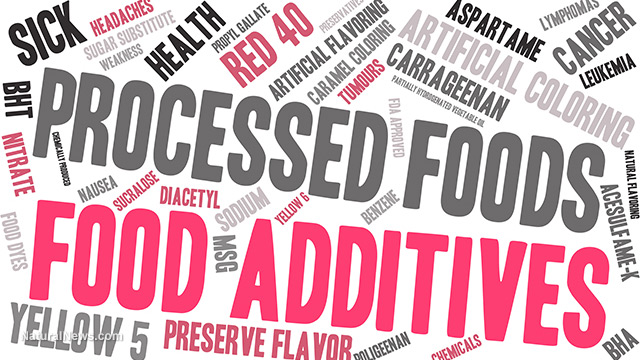
The hidden ingredient: How common food additives may be silently depleting your health
By Ava Grace // Share
Analysis of 12 Trials Links Periodontal Treatment to Lower Blood Pressure
By Coco Somers // Share
Turmeric and Honey for Weight Loss: Studies Show Limited Evidence
By Coco Somers // Share

Full-fat dairy reconsidered: New science challenges decades of dietary dogma
By willowt // Share

Hegseth Says Public Will Be Able to Watch Fort Hood Shooter's Execution by Firing Squad
By douglasharrington // Share

Trump Considering Suspending Federal Gas Tax as States Lower Fuel Levies
By sterlingashworth // Share

South Korea Ambassador to Kyiv Recalled Over Prisoner Transfer Dispute
By garrisonvance // Share

DHS Proposes $70,000 Fee for Foreign Students in Optional Practical Training
By douglasharrington // Share