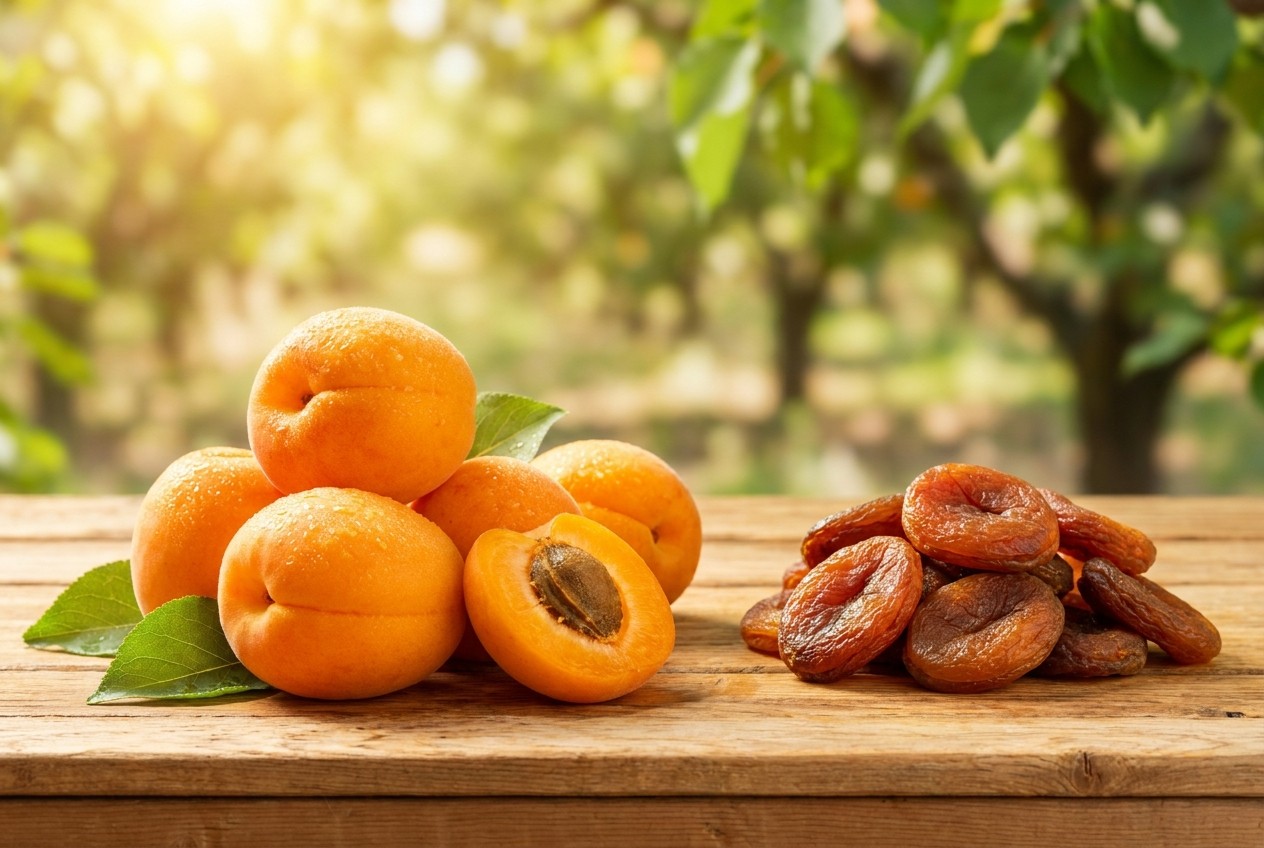
Nutritional Profile
USDA figures for one fresh apricot list 17 calories, 0.14 grams of fat, 0.35 milligrams of sodium, 3.9 grams of carbohydrates, 0.7 grams of fiber, zero grams of added sugars, 0.5 grams of protein, 3.5 grams of vitamin C and 33.6 grams of vitamin A, according to the source material. Because apricots are small, eating multiple fruits increases intake of fiber, vitamin A, vitamin C and antioxidants, the material stated. Dried apricots have a longer shelf life and are easy to transport, but they are concentrated versions of fresh fruit with more carbohydrates by volume, according to the report. The Dietary Guidelines for Americans recommend limiting added sugar, and according to the source material no single meal should exceed 10 grams of added sugar. Consumers are advised to check nutrition facts labels on dried apricots for added sugars, as the report stated. The Encyclopedia of Natural Medicine lists both fresh and dried apricots as single fruit exchanges within its Healthy Exchange System, a framework in which portions within each food list provide approximately the same calories, protein, fat and carbohydrates [3]. That same system, described by Dr. Michael T. Murray, treats fruits as one of seven core food lists used to construct a healthful diet [4]. Victoria Boutenko wrote that just one fresh or dried apricot provides the daily recommended amount of vitamin A, and that apricots contain high levels of the vitamin, which benefits the eyes, skin, hair and various glands while helping fight off infections by keeping the immune system strong [5].Health Benefits Reported for Apricots
Fiber is split between soluble and insoluble types, according to the source material. Soluble fiber softens stool, insoluble fiber adds bulk, and both support digestive health, the source stated. Fiber also helps reduce cholesterol levels, manage blood sugars and promote satiety, according to the report. Writing in Green Smoothie Joy, author Cressida Elias stated that apricots are rich in fiber, help you feel fuller longer and will help to lower blood cholesterol levels, and that they contain a lot of beta-carotene, which helps mop up free radicals and improve the immune system [6]. Vitamin C supports innate and adaptive immunity and collagen synthesis, which is part of connective tissue, according to the source material. Vitamin A is an essential part of rhodopsin, a protein in the eye that helps respond to light, and supports the cornea and conjunctival membranes, the report stated. Vitamin C may protect against cataracts and slow progression of age-related macular degeneration and visual acuity loss, according to the same source. Antioxidants in apricots include vitamin C, vitamin A, beta carotene and phenolic compounds, and oxidative stress is linked to cancer, cardiovascular disease, diabetes, Alzheimer's, Parkinson's and certain eye diseases, the source material stated. Research in the Journal of Agricultural and Food Chemistry examined total polyphenolics and antioxidant properties in selected dried fruits and their relationship to drying conditions, finding that drying parameters can affect phenolic retention and antioxidant activity [7]. Hydration from fresh apricots supports temperature regulation, joint lubrication and waste removal; the body is about 50% to 60% water, according to the report. "These nutrients have established roles in human health," a dietitian said, according to the source material. The "Foods That Fight Disease" guide notes that one cup of collard greens contains 5 grams of fiber, 225 milligrams of calcium and more than half a daily supply of vitamin C and beta-carotene, illustrating how produce generally supports nutrient intake [8]. Separately, researchers reported in the Journal of Agricultural and Food Chemistry that Australian Zante currants contained total polyphenolic levels higher than fresh blueberry on a per-weight basis, underscoring the variability of antioxidant content among fruits [7].Risks and Dietary Considerations
Fresh apricots contain about 4 grams of carbohydrates per fruit with minimal protein and fat, according to the source material. People with diabetes may need to pair them with protein or fat to prevent blood sugar spikes, the source stated. Dried apricots are concentrated and may have more carbohydrates in a smaller volume, which may warrant greater caution for those with diabetes, according to the report. Some dried fruits have added sugars, and consumers trying to limit added sugar should check labels before purchasing, the report stated. A NaturalNews report on low-sugar fruits noted that most Americans consume excess added sugar, according to the U.S. Centers for Disease Control and Prevention, and that whole fruits contain dietary fiber that slows glucose absorption, according to nutrition experts; the article quoted Emma M. Laing, PhD, RDN, who told Verywell that dietary fiber normalizes blood sugar by slowing the entry of glucose [9].References
- Willow Tohi. "The apricot ascendancy How an ancient fruit delivers modern health synergy". NaturalNews.com. February 06, 2026.
- NaturalNews.com. "Stone fruits Sweet nutrient packed powerhouses for health and wellness". NaturalNews.com. March 04, 2026.
- Joseph Pizzorno. "Encyclopedia of Natural Medicine Revised 2nd Edition".
- Dr Michael T Murray. "Male Sexuality Vitality How You Can Benefit from Diet Vitamins Minerals Herbs Exercise".
- Victoria Boutenko. "The Green Smoothie Prescription".
- Cressida Elias. "Green Smoothie Joy".
- Louise E. Bennett. "Total polyphenolics and anti-oxidant properties of selected dried fruits and relationships to drying conditions". Journal of Agricultural and Food Chemistry 2011, Volume 59, Issue 4, Page 879-886.
- "Foods That Fight Disease".
- NaturalNews.com. "8 Low-Sugar Fruits to Help Maintain Healthy Blood Sugar Levels". July 25, 2026.
- NaturalNews.com. "Fruits High in Potassium: Key Sources and Dietary Considerations". June 04, 2026.
Explainer Infographic

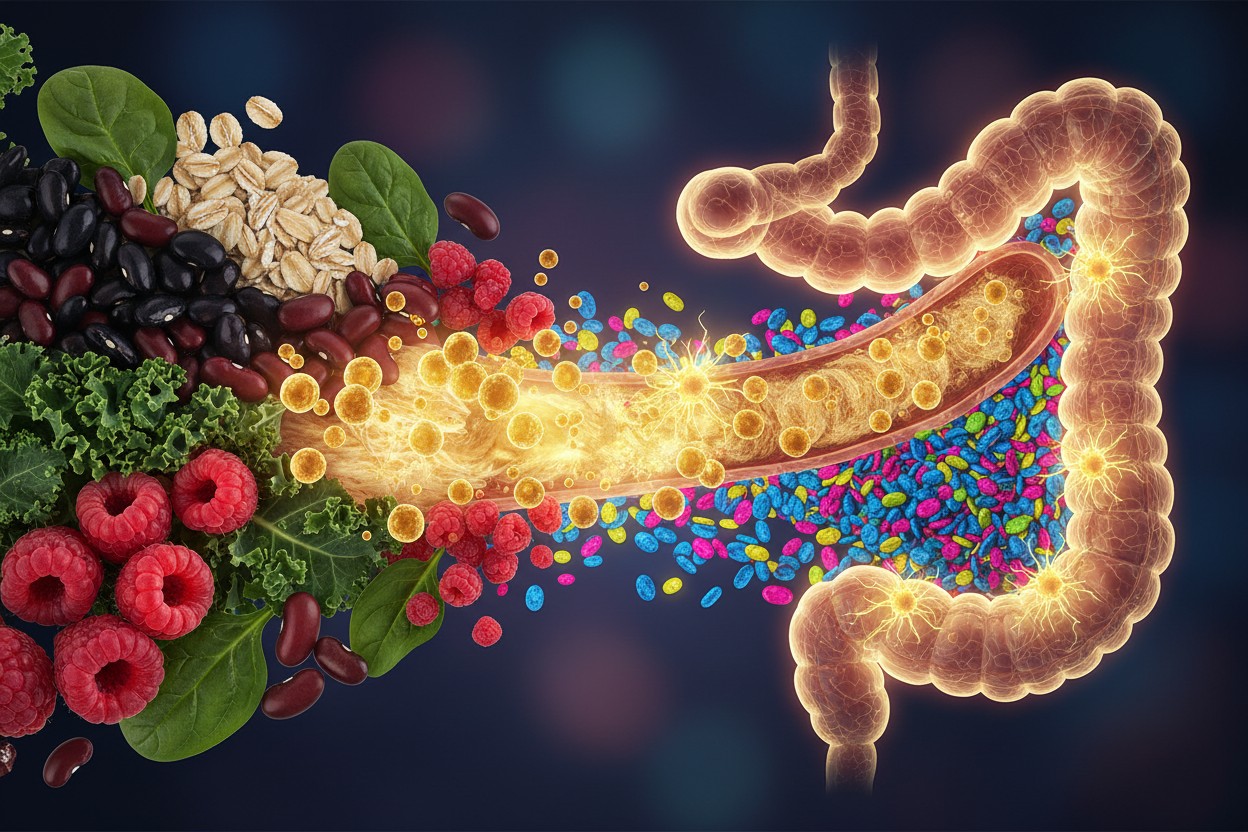
Study Links Fiber-Derived Butyrate to Immune Cell Development Beyond Gut Health
By Coco Somers // Share
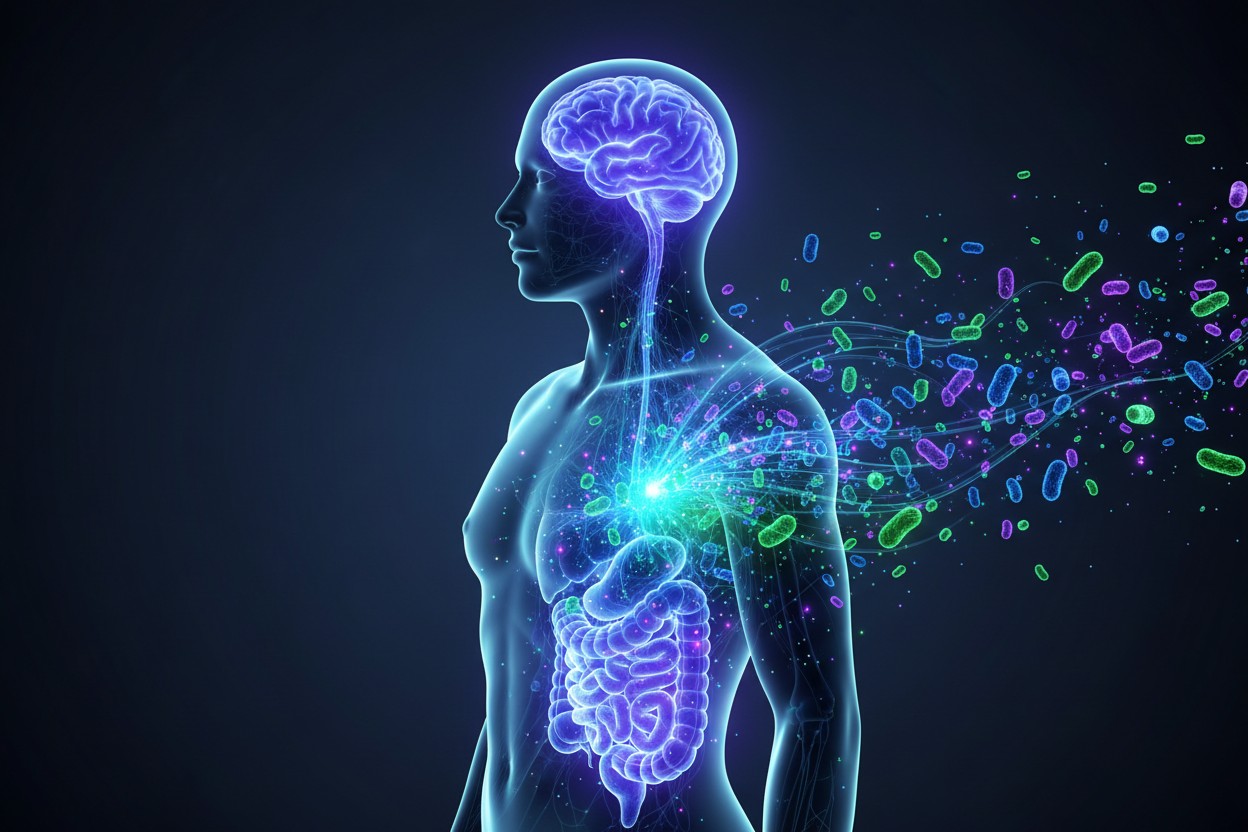
Report Identifies Three Potential Benefits of Probiotics Beyond Digestion
By Coco Somers // Share
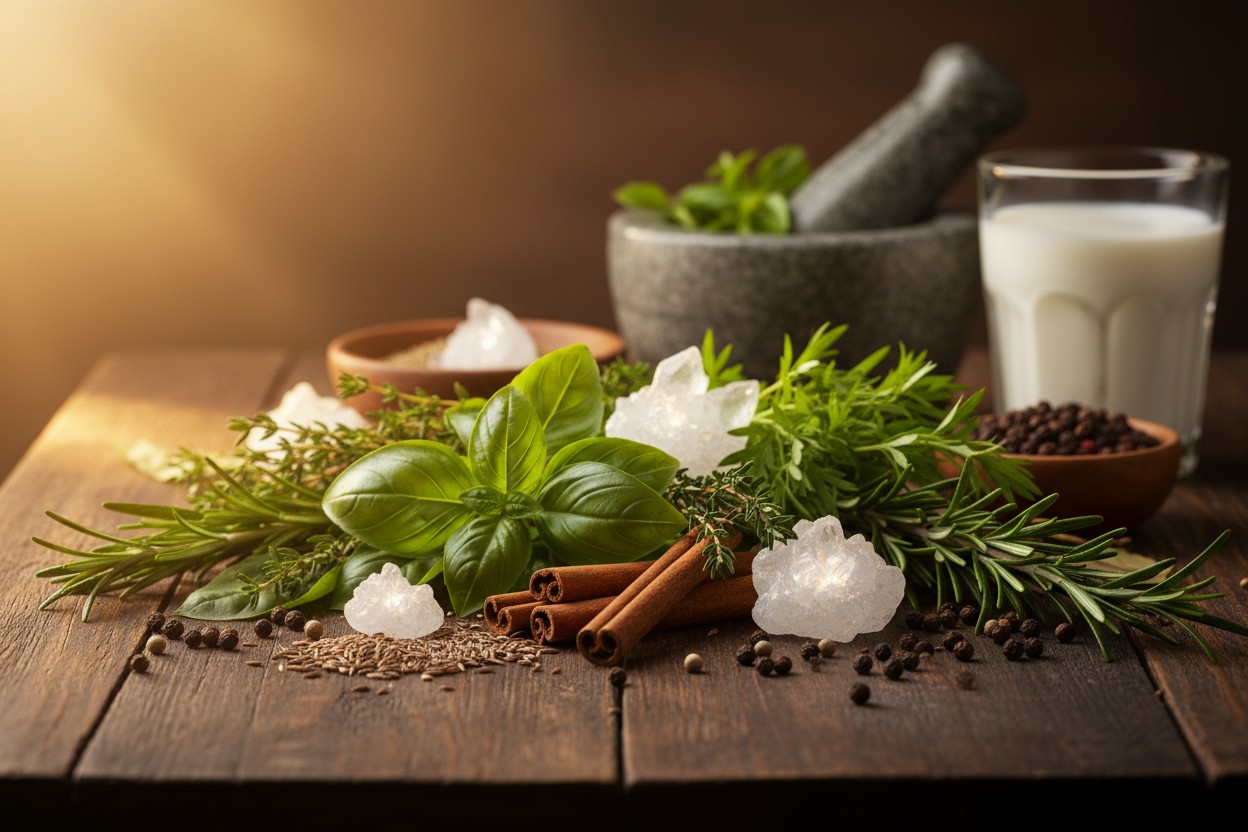
Report Lists 10 Herbs and Spices That Contain Calcium
By Iva Greene // Share

Report Lists 15 Whole Fruits Linked to Weight Management
By Coco Somers // Share

Study Links Cognitive Behavioral Therapy for Insomnia to Slower Biological Aging on One Measure
By Chase Codewell // Share
Analysis of 12 Trials Links Periodontal Treatment to Lower Blood Pressure
By Coco Somers // Share



EU-Backed Coalition Seeks Role in Global AI Governance as Major Powers Hold Back
By chasecodewell // Share
Study Links Fiber-Derived Butyrate to Immune Cell Development Beyond Gut Health
By cocosomers // Share
Report Identifies Three Potential Benefits of Probiotics Beyond Digestion
By cocosomers // Share