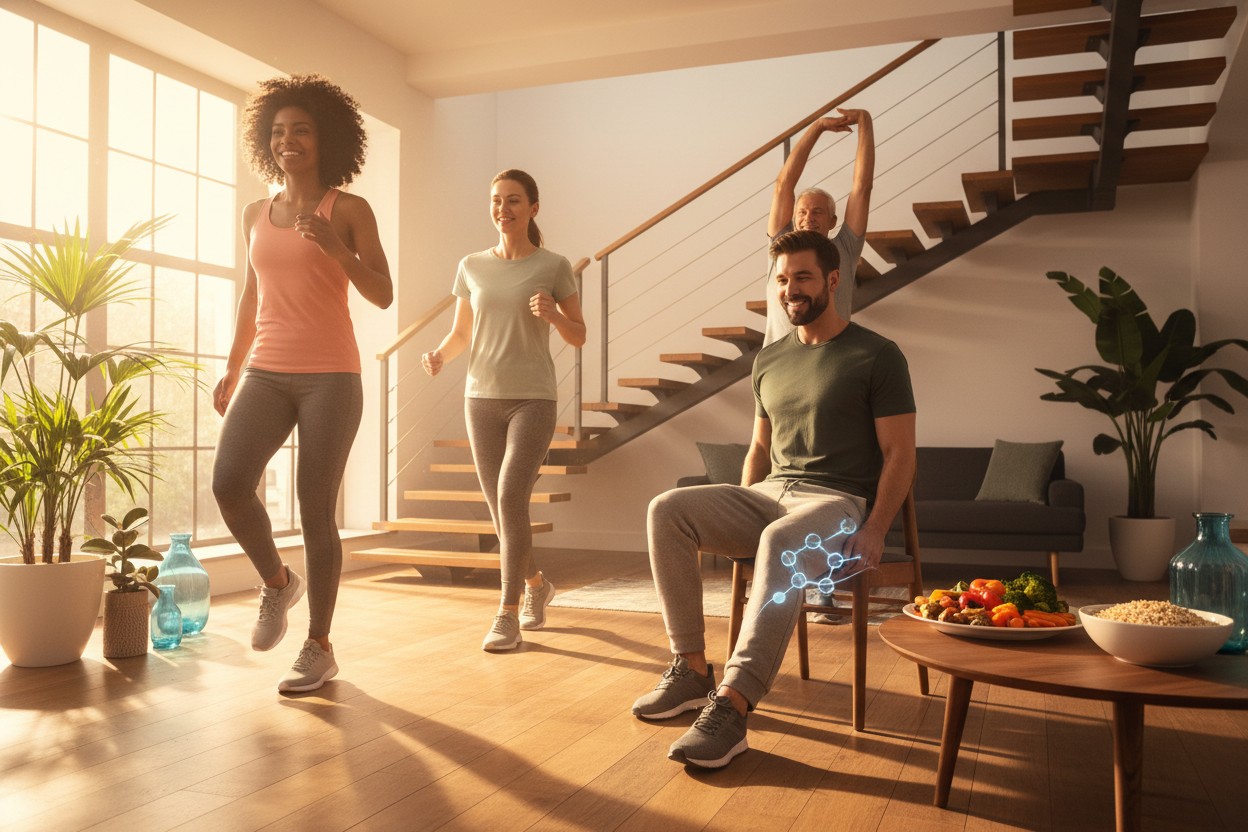
What the Research Shows
A study published in Diabetologia found that four one-minute bursts of exercise per day helped people with Type 2 diabetes control blood sugar, especially in the period after meals, according to the report. The same study included marching in place, stair step-ups, and bodyweight squats among the movements tested, researchers stated. The finding contributed to a broader body of work examining how brief, low-intensity activity affects glucose levels. Separate research on the soleus push-up, a seated calf exercise, found the movement may lower post-meal blood sugar by 39% to 52%, according to the researchers. The soleus muscle, located beneath the larger calf muscle, contracts during the movement, and researchers attribute the effect to sustained muscle activity rather than vigorous exertion. Walking research indicated that a 10-minute walk immediately after eating lowered blood sugar more significantly than a 30-minute walk started 30 minutes after eating, the study stated. Researchers said timing mattered more than duration. Separately, NaturalNews.com reported that emerging research shows walking after eating helps manage glucose levels and may reduce the risk of diabetes, obesity, and metabolic disorders [3].Marching, Stair Steps and Squats
Marching in place: stand with feet hip-width apart, lift one knee to 90 degrees while bending the opposite arm, alternate legs, and repeat for 20 or more repetitions, according to instructions. A chair or wall may be used for balance as needed, according to the guidance. Stair step-ups: place one foot fully on a step, lift the opposite knee to 90 degrees or hip height, return both feet to the ground, and repeat 20 times per side, the instructions stated. A banister or wall may be used for support. Bodyweight squats: stand with hips slightly wider than hip width, clasp hands at the chest or extend arms forward, bend hips and knees while shifting weight back, lower until the thighs are nearly parallel to the floor, and rise, according to the guidance. Three sets of 10 repetitions are recommended. All three exercises were included in the Diabetologia study on exercise bursts and blood sugar, the report stated. The exercises require no equipment and can be performed in a home setting, according to the instructions. Researchers said the muscle contractions involved in each movement contribute to glucose uptake.Seated Soleus Push-Up, Walking and Light Activity
The soleus push-up is performed while seated: sit upright with feet flat on the floor, press into the balls of the feet to lift the heels, lower the heels back to the floor, and repeat for 60 seconds or longer, according to instructions. The movement is described as accessible to people who may have difficulty with weight-bearing exercise. Walking shortly after eating significantly lowered post-meal blood sugar compared with not walking, one study found, and researchers said timing mattered more than duration. The finding aligns with a broader body of research on post-meal activity. Light housework and other low-intensity aerobic activity, such as vacuuming, cleaning, gardening, bicycling, tennis, or dancing, may also help reduce post-meal blood sugar spikes when started within 30 minutes of finishing a meal, according to a body of research. Health officials described the activities as low-intensity options. According to multiple reports, meal timing and activity timing both play roles in blood sugar regulation, an approach that emphasizes when a person moves as much as how much [4].Safety and Limitations
The studies involved specific groups, including people with Type 2 diabetes, and individual results may vary, according to researchers. The findings do not establish that any single exercise cures or prevents diabetes, the report stated. According to the American Diabetes Association, monitoring blood glucose before, during, and after exercise is recommended to prevent hypoglycemia or hyperglycemia, officials said [1]. People with diabetes or other health conditions should consult a healthcare provider before starting a new exercise routine, officials said. Use of a chair, wall, or banister is recommended for balance support during standing exercises, according to the instructions. The studies cited address short-term post-meal glucose responses rather than long-term clinical outcomes.Conclusion
Six gentle exercises -- marching in place, stair step-ups, bodyweight squats, soleus push-ups, walking, and light housework -- are linked in studies to lower post-meal blood sugar. Researchers attributed the effect to muscle activity that helps remove sugar from the bloodstream after eating. According to the American Diabetes Association, exercise increases insulin sensitivity and glucose uptake by muscles, officials said [1]. More research is needed to confirm long-term benefits, and individuals should follow guidance from their healthcare providers, officials said. According to Mercola.com, inactivity is the primary driver of insulin resistance, a hallmark of prediabetes and diabetes, and the site describes regular movement as an essential component of metabolic health [2]. Research on low-intensity post-meal activity continues to accumulate, researchers stated.References
- NaturalNews.com. "Exercise and Blood Glucose: Key Findings and Recommendations". July 21, 2026.
- Mercola.com. "Stand Up, Sit Less, Move More - Especially if You Are Diabetic". Mercola.com. April 21, 2017.
- Ava Grace. "Post-meal walk: A simple, science-backed strategy to tame blood sugar spikes". NaturalNews.com. June 4, 2025.
- NaturalNews.com. "Natural Blood Sugar Management: Evidence-Based Strategies". August 25, 2026.
Explainer Infographic


Superfoods for Better Health: 5 Vegetables With More Calcium Than Kale
By Iva Greene // Share
Study Links GLP-1 Medications to Nutritional Deficiencies in Nearly 1 in 6 Children
By Morgan S. Verity // Share


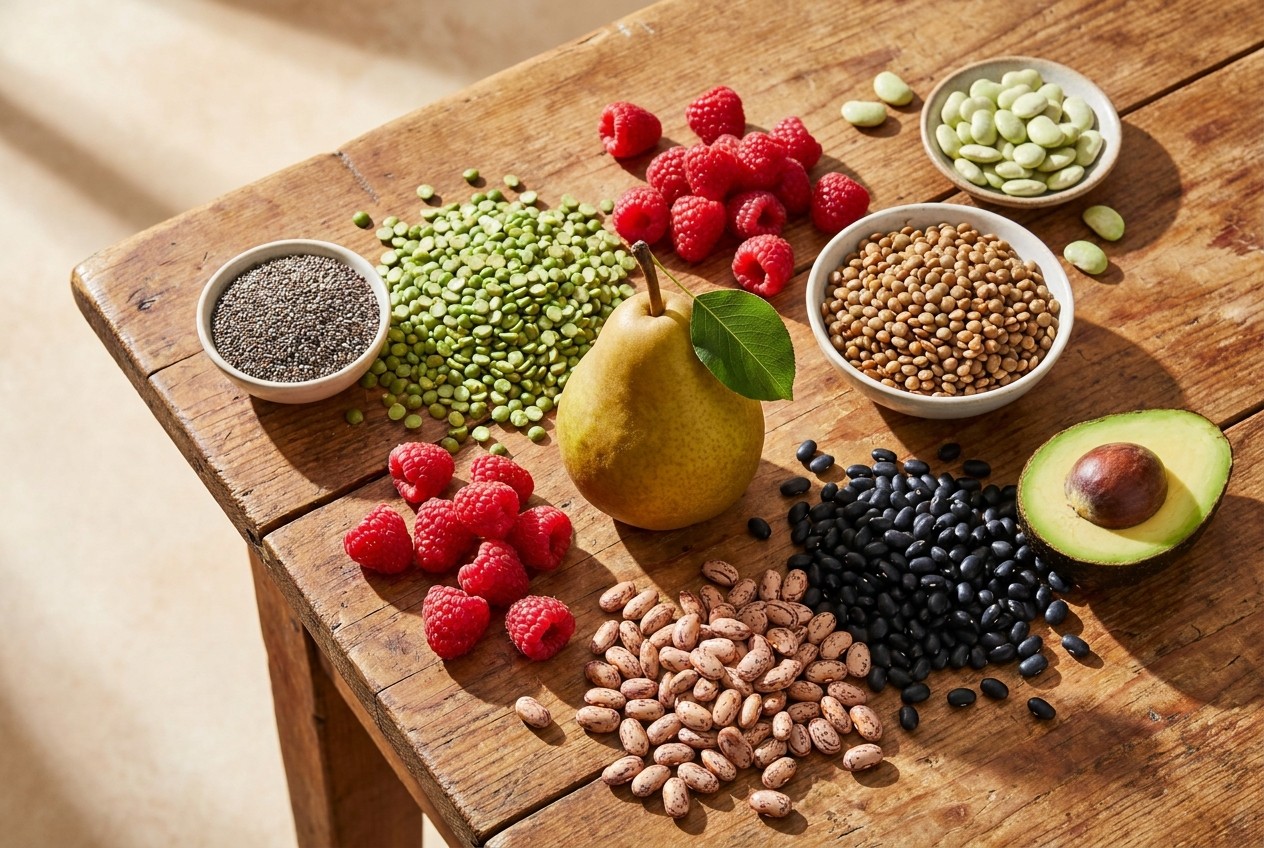
USDA Nutrition Data: Foods With as Much or More Fiber as a Pear
By Coco Somers // Share

Scientist says Anthropic’s AI “discovery” may have relied on his unpublished research
By Cassie B. // Share


Reddit polices health claims while drugmakers buy access to its users
By isabelle // Share

White House Rushes To Unload $400M in Ukraine Aid Before Congress Can Take It Back
By garrisonvance // Share

Tasnim Reports Iran Relocates Key Defense Capabilities Underground
By garrisonvance // Share
Superfoods for Better Health: 5 Vegetables With More Calcium Than Kale
By ivagreene // Share
Six Gentle Exercises Linked to Lower Post-Meal Blood Sugar, Studies Say
By petrastone // Share