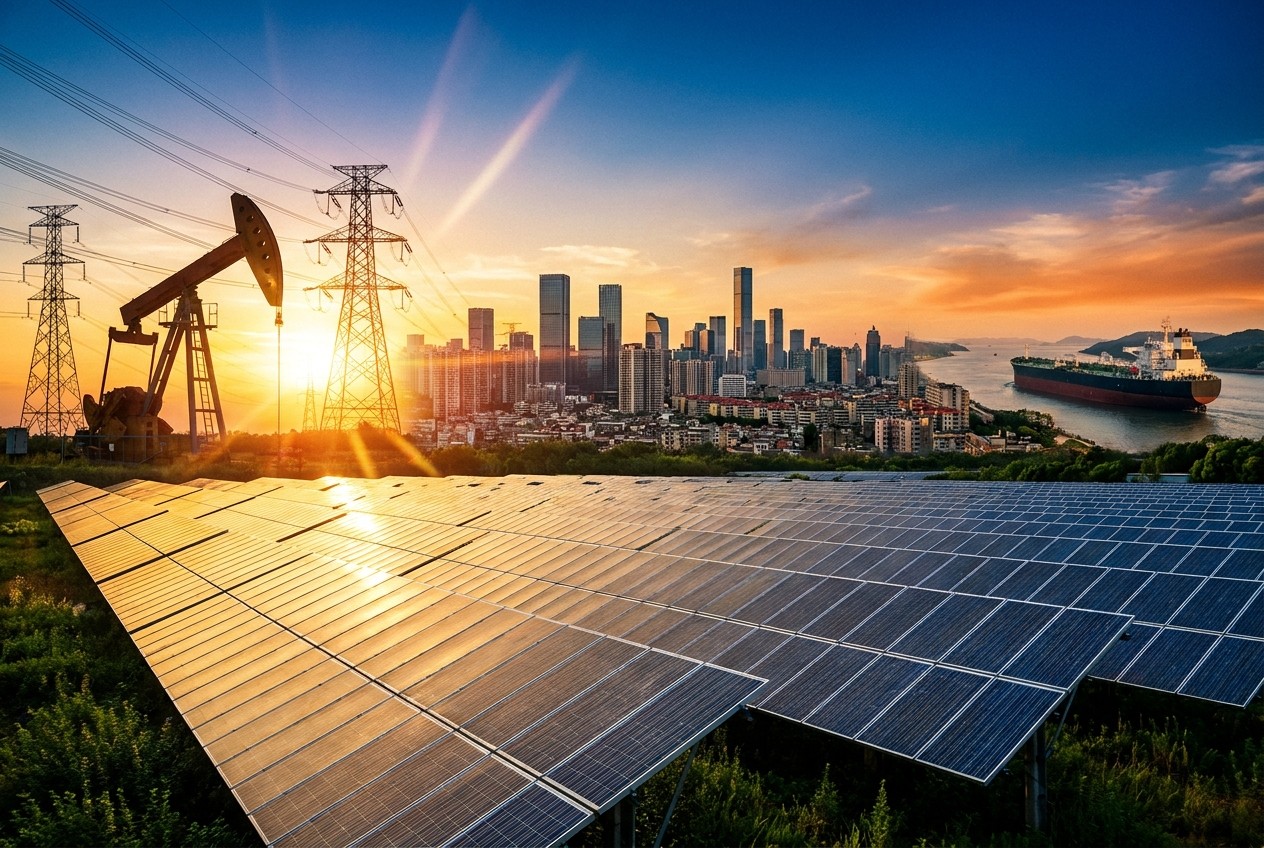
- Eversheds found no evidence for the specific cover-up allegations but described heavy stress in the control room and a wide gulf between engineers and executives.
- Staff said the system was repeatedly outside operational limits on June 23 while official statements said supply was not at risk.
- Critics note that Eversheds was never asked whether the grid met its security standards that day.
- Whistleblowers and opposition politicians link the strain to falling inertia as renewables replace spinning plant.
What the lawyers found, and what they did not ask
Here the official story frays. Control room staff told Eversheds that NESO should not have claimed the system was not at risk, because it had been consistently in breach of operational limits for hours while operators worked around the clock to regain balance. The lawyers recorded a significant gulf between engineers and senior management. One witness said that colleagues who raise concerns “get beaten down.” Yet Eversheds, according to Watts Up With That, was never asked whether the grid met its security standards on June 23, so the headline finding answers a narrower question than the one the public cares about. Shadow Business Secretary Claire Coutinho, who has championed the whistleblowers' claims, put it plainly: “the core allegation is that the electricity grid is not being run securely.” Analyst Kathryn Porter's Watt-Logic review goes further, reporting that the interim findings acknowledge breached constraints and large forecast errors, that engineers revert to a spreadsheet-based tool called CLOGS when control systems fail, and that NESO does not know the location of smaller assets on the grid. “The absence of a blackout does NOT demonstrate that the grid was secure,” she writes. Her tally of October disruptions is sobering: on Oct. 12, NESO requested 700 megawatts and then another 1,200 megawatts of emergency assistance from France, and trading limits were breached again on Oct. 15. Opposition politicians have seized on the findings. Andrew Bowie, the shadow energy secretary, told reporters he had “no confidence” in NESO chief executive Fintan Slye and chairman Paul Golby, and argued that the report confirms that reliance on renewables is making the grid harder to run because of a lack of flexibility and inertia. Golby said the findings showed no evidence for the allegations and that the board would oversee a response. Ofgem chief executive Tim Jarvis said the report raises important and concerning issues about working culture.Inertia, spreadsheets and a nationwide experiment
To see why engineers are anxious, understand inertia. Coal, gas and nuclear plants carry heavy spinning turbines that act like flywheels, resisting sudden frequency drops and buying seconds when another station trips. Wind and solar generally do not provide that stability, so NESO now pays for stability as a standalone service. Even so, in August NESO announced plans to run the grid with lower minimum inertia, which it said would save consumers about £96 million a year without significantly raising blackout risk. EDF cautioned that a country-wide or regional blackout could bring heavy losses, and one whistleblower described a future major blackout as an “engineering certainty,” according to Tribune Online. Engineers told the Mail on Sunday that they had asked regulator Ofgem for two years to investigate, and that NESO lacks a single, centralized model for calculating the power needed to keep the grid stable. NESO began operating on Oct. 1, 2024, after the government bought the system operator division of National Grid for £630 million. About 130 of its roughly 2,700 employees work in the control room, and some of them now say they cannot get a hearing. Britain has tasted failure before. On Aug. 9, 2019, a lightning strike triggered cascading generator trips that cut power to about 1 million customers and stranded commuters. Today's concern is structural rather than meteorological. One engineer writing for Watts Up With That notes that no large grid anywhere has yet run mostly on wind, solar and batteries with so little spinning plant behind it, and that NESO's chief executive describes its stability programme as world-first, a polite way of saying untested. NESO says the grid operated securely and the investigation found no cover-up. Whistleblowers and their political allies say that a system balanced on emergency imports and spreadsheets is not secure merely because it has not yet collapsed. What no one can dispute is that engineers, the people who know the machine best, felt unable to say so openly. A secure grid should be able to survive its own staff telling the truth. Sources include: Wattsupwiththat.com FuseEnergy.com Rene.ws.biz
JD Vance Says U.S. Has “Decisively Won” Iran War in Some Ways as Midterms Near
By Garrison Vance // Share

Trump Rally Scrapped as GOP Candidates Weigh Being Seen With Him, Report Says
By Edison Reed // Share

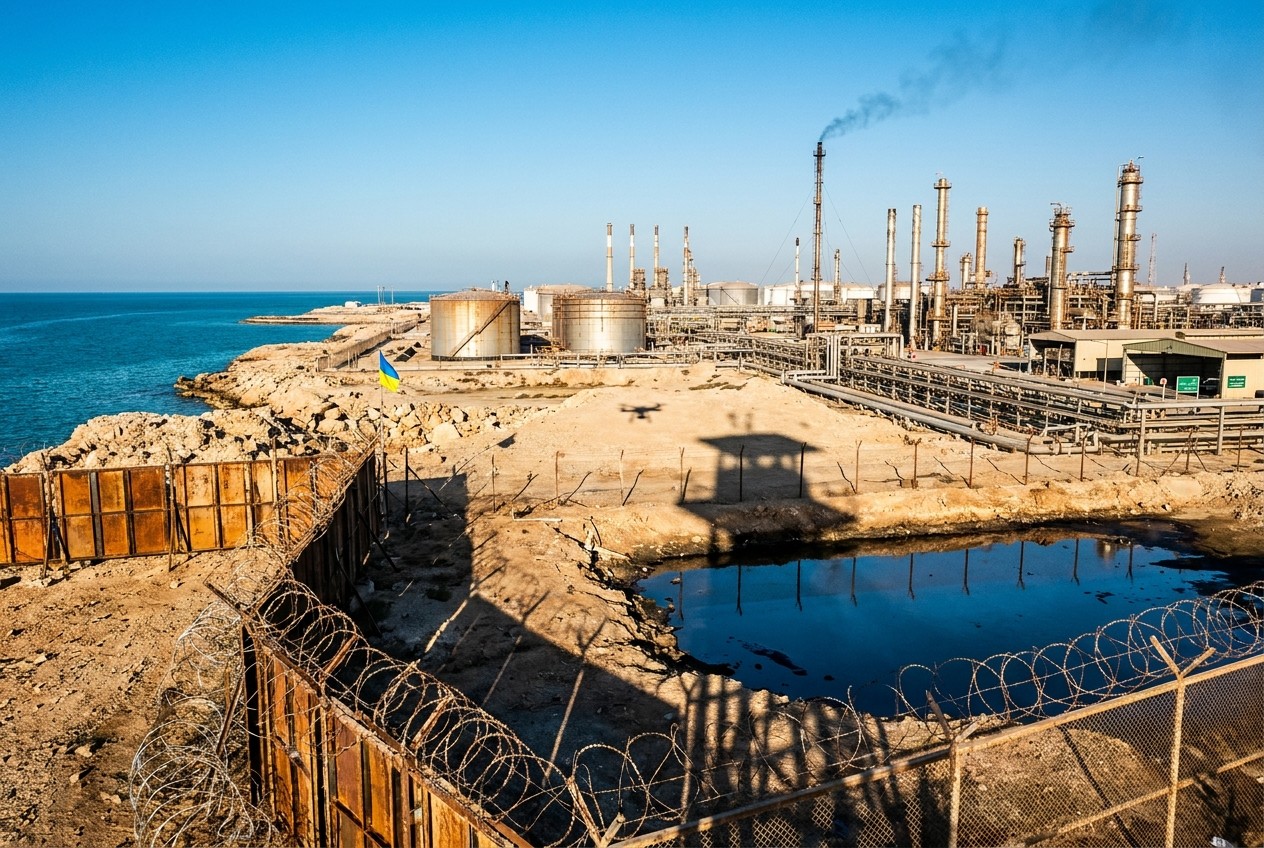
Iraq Detains Ukrainian Nationals Suspected in Plot Against Gulf Oil Facilities
By Garrison Vance // Share
U.S. Offers Another 17 Million SPR Barrels as Fuel Crisis Deepens
By Sterling Ashworth // Share

Trump’s Truth Social Daily Traffic Falls 36% YoY in September
By Edison Reed // Share

AI Pioneers Call for International Containment Body and Airgapping of Advanced Models
By chasecodewell // Share
Advanced Nuclear Fuel Strategy Weighed as Customers Seek Cost and Delivery Certainty
By edisonreed // Share
The Board of Peace or the Board of Power? How Israel's Veto Dooms Gaza's "Stabilization"
By garrisonvance // Share

Study: Late-Night Eating Linked to Higher Risk of Fatty Liver Disease and Cirrhosis
By cocosomers // Share