
- Hyssop (Hyssopus officinalis) is a perennial shrub native to the Mediterranean and Asia, belonging to the mint family. It is characterized by its aromatic leaves and flowers and its essential oil is extracted through steam distillation of the leaves and flowering tops.
- This essential oil is known for its antiseptic, anti-inflammatory and antispasmodic properties, primarily due to its thujone content. It can support respiratory health, aid digestion, promote skin health and boost the immune system.
- It can help alleviate respiratory infections, digestive disorders, skin irritations, muscle spasms and infections. Its decongestant and expectorant properties are particularly beneficial for respiratory issues.
- The oil is available in health stores and online, with suggested dosages ranging from one to three drops per day. However, it should be used with caution, especially for pregnant women and those with epilepsy, due to its thujone content. Always consult a healthcare professional before use.
- It can be used topically (diluted with a carrier oil), inhaled (via a diffuser) or taken internally (with professional guidance). It should be stored in a cool, dark place in a glass bottle with a dropper to maintain its potency and effectiveness.
History and extraction
Hyssop has a rich history dating back to ancient times, with references in biblical texts and Greek mythology. The herb was widely used in traditional medicine to treat respiratory issues, wounds and digestive problems. Today, hyssop essential oil is extracted through steam distillation of the plant's leaves and flowering tops. This process captures the potent aromatic compounds that give hyssop its healing properties.Benefits in human health
Hyssop essential oil is celebrated for its numerous benefits, primarily due to its high content of thujone, a compound known for its antiseptic, anti-inflammatory and antispasmodic properties. When used appropriately, hyssop can support overall health in several ways:- Respiratory health: Hyssop is a natural decongestant and expectorant, making it beneficial for treating colds, coughs, bronchitis and other respiratory issues. Its ability to break up mucus and reduce inflammation in the airways can provide significant relief.
- Digestive aid: The herb's antispasmodic properties help ease digestive discomfort, including bloating, gas and stomach cramps. Hyssop can also stimulate appetite and promote healthy digestion.
- Skin health: When applied topically, hyssop essential oil can help soothe skin irritations, minor burns and acne due to its antibacterial and anti-inflammatory effects.
- Immune system support: Its potent antiseptic and antimicrobial properties make it an excellent natural immune booster, helping the body fight off infections and viruses.
Availability and dosage
Hyssop essential oil is widely available in health stores and online as a supplement. It is typically sold in small bottles, with a suggested dosage ranging from one to three drops per day, either internally or topically. However, it is crucial to consult with a healthcare professional before using hyssop, especially if you are pregnant, nursing or taking any medications. Hyssop contains thujone, which can be toxic in high doses, so it should be used with caution and under the guidance of a professional. Hyssop should be used with caution, particularly by individuals with epilepsy, as it contains thujone, which can potentially trigger seizures. It is also not advisable for pregnant women due to its potential to stimulate uterine contractions. When it comes to storage, hyssop essential oil should be kept in a cool, dark place, away from direct sunlight to preserve its potency and it is best stored in a glass bottle with a dropper for easy and measured use. Hyssop essential oil is versatile and can be blended with other oils such as lavender, lemon and peppermint to enhance its benefits and create unique aromas. Hyssop can be used in various forms, including topical application, where it should be diluted with a carrier oil like coconut or jojoba oil before being applied to the skin; inhalation, where a few drops can be added to a diffuser or inhaled directly from the bottle for respiratory relief; and internal use, which should only be done after consulting a healthcare professional, as hyssop should be used cautiously and in small doses when ingested. Watch this video to learn more about the health benefits of hyssop. This video is from the Daily Videos channel on Brighteon.com. Sources include: BrightU.ai Brighteon.com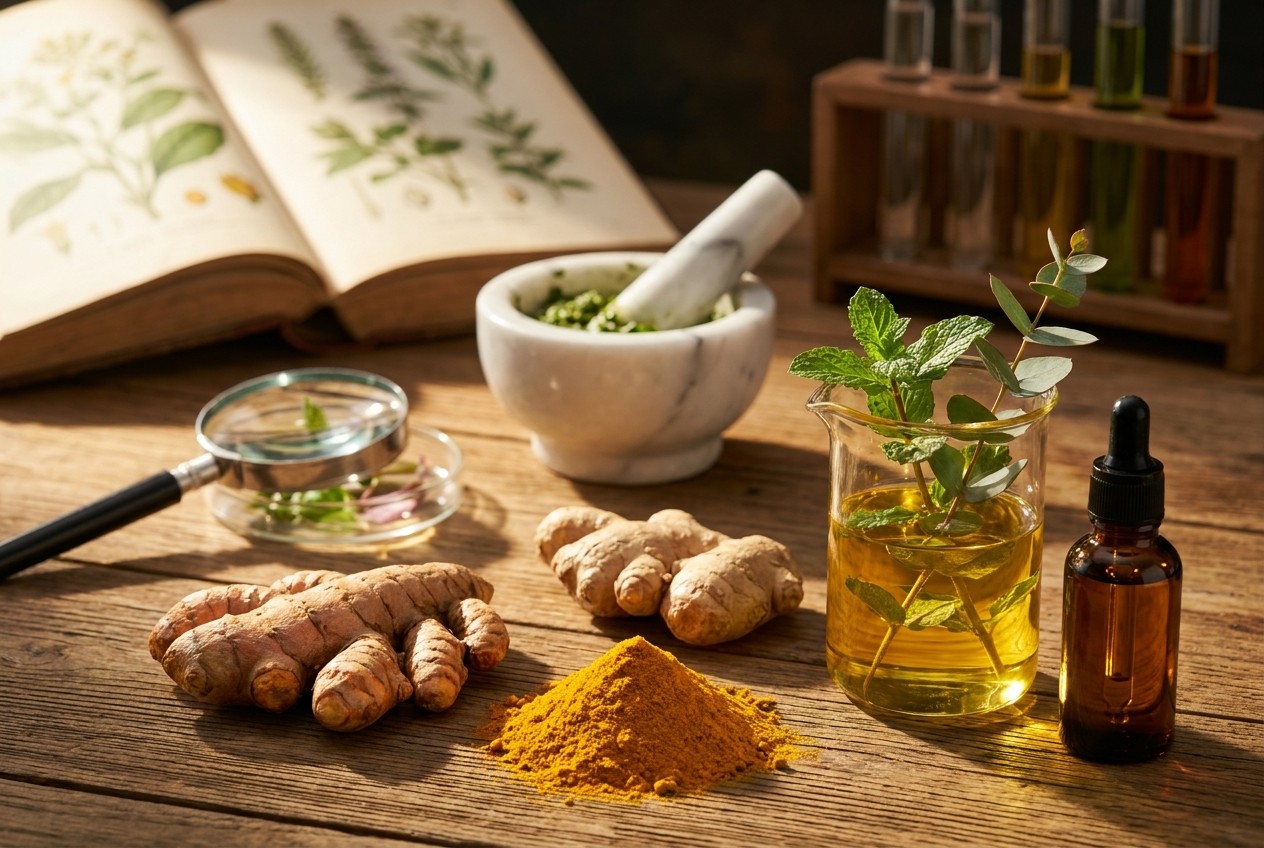
Scientific Data on Natural Home Remedies for Health Support Reviewed
By Patrick Lewis // Share

Review Finds Science-Backed Benefits of Tai Chi for Aging Adults
By Chase Codewell // Share

Four surprising daily habits could help your brain bounce back from stress
By Cassie B. // Share

Small Trial Reports Berberine Supplement Altered Gut Bacteria Tied to Heart Health Markers
By Coco Somers // Share

Neurologist Identifies Seven Preventative Strategies for Brain Health in 30s and 40s
By Douglas Harrington // Share

The unseen cost of a common surgery: Rethinking the rush to remove the gallbladder
By Ava Grace // Share


AI bubble's first major leak: Why the $10T data center boom is starting to crack
By ramontomeydw // Share


Poll: Nearly Half of U.S. Active-Duty Troops Oppose War on Iran
By garrisonvance // Share

Study: EV Battery Carbon Footprint Could Fall 34% by 2050 With Cleaner Production
By edisonreed // Share
Scientific Data on Natural Home Remedies for Health Support Reviewed
By patricklewis // Share