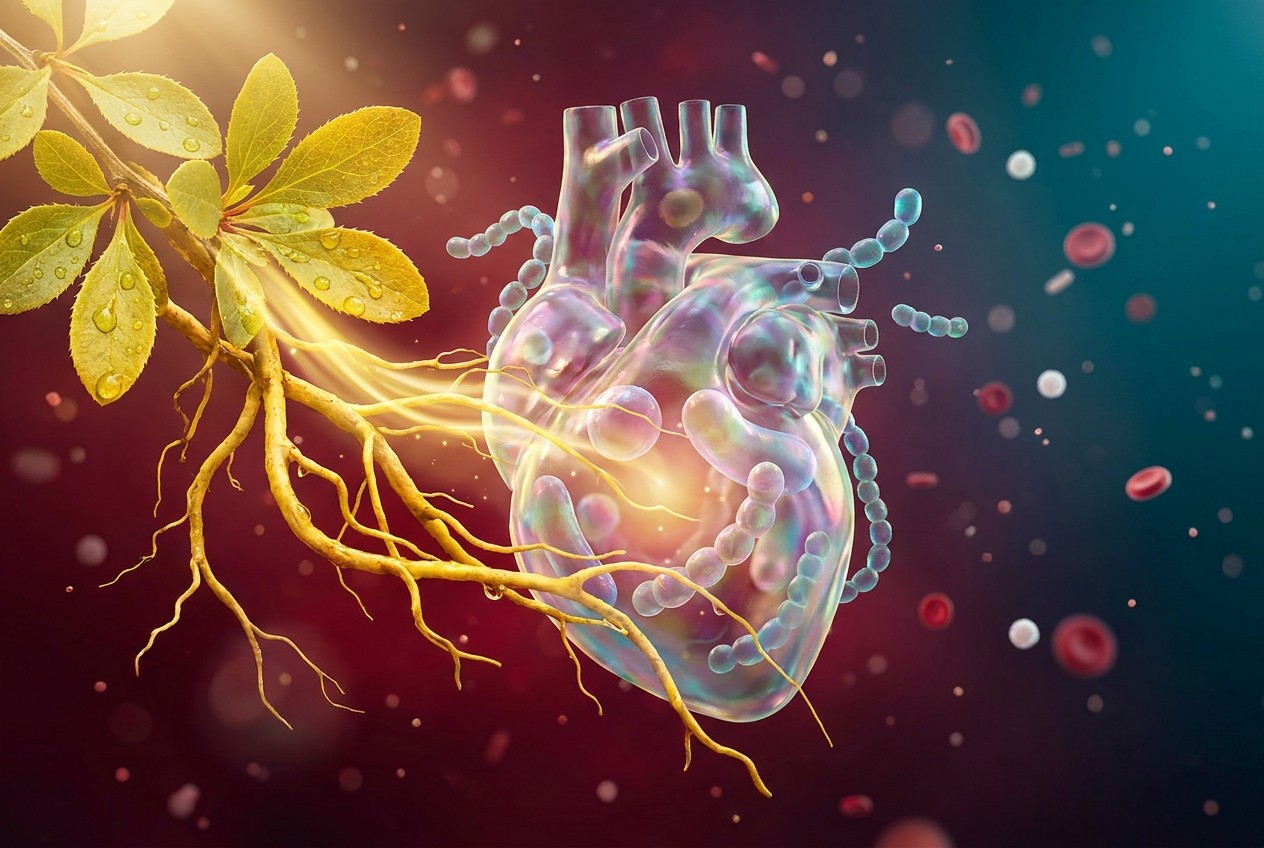
Study Design and Participant Group
The trial enrolled 23 people with coronary artery disease who had previously undergone a procedure to open narrowed heart arteries, according to the report. Twelve participants added berberine to their usual heart medications with a gradually increasing dose, while 11 continued standard treatment alone. Researchers measured cholesterol, inflammation and blood vessel function before and after treatment, and analyzed stool samples to track gut bacteria and their metabolic byproducts. The small sample size and short duration were identified as constraints on the findings. Berberine is a botanical compound with over 1,400 years of use in Traditional Chinese Medicine, now supported by scientific research for its multi-target health benefits [2]. It is clinically effective at improving metabolic health, particularly for Type 2 diabetes and prediabetes, by lowering blood sugar [2].Reported Changes in Cholesterol, Inflammation and Vessel Function
Participants in the berberine group had a greater reduction in LDL cholesterol, often called "bad" cholesterol, than the comparison group, according to the report. Several markers of inflammation also decreased in the berberine group. Blood vessel function appeared to improve, but researchers said the change was not large enough to rule out chance. The report stated that observed changes in gut bacteria and cholesterol occurred during the same period but did not demonstrate a causal relationship. Berberine has been studied for its potential to lower blood sugar and cholesterol, according to dietitians [3]. A meta-analysis combined data from 14 randomized trials involving 1,068 participants and found that treatment with both berberine and lifestyle modification showed significant blood sugar and lipid benefits [4].Gut Bacteria, Short-Chain Fatty Acids and Cardiovascular Context
Researchers found an increase in several types of gut bacteria that produce short-chain fatty acids, compounds formed when microbes break down fiber. The report stated these compounds may help regulate inflammation and support metabolic health. Berberine also changed other substances produced when gut bacteria break down amino acids, and some of these changes were associated with shifts in blood fat levels. Researchers said the gut and heart are connected through substances that enter the bloodstream and influence inflammation and fat processing, though they noted the mechanisms remain under investigation. Officials and researchers said larger studies are needed to determine whether berberine reliably improves heart health over time. The gut microbiota of patients with chronic heart failure is characterized by a decreased abundance of beneficial butyrate-producing bacteria [5]. Recent reports demonstrate an association between distinct bacteria or bacteria-derived metabolites originating from the gut microbiome and the onset or progression of cardiovascular disease [6].Takeaway and Guidance From the Report
Researchers stated the 23-person trial is insufficient to confirm that berberine improves cardiovascular outcomes, and that additional research is required. The report recommended fiber-rich foods such as beans, lentils, oats, whole grains, fruits and vegetables to support beneficial gut bacteria. The report advised individuals to consult a health care provider before taking berberine, noting that participants added it to usual heart medications and that it should not replace prescribed heart treatment. The report concluded that gut microbes may play a larger role in heart health than previously understood, and that dietary fiber remains a recommended starting point pending further study.References
- Berberine May Ease Symptoms of Anxiety and De - Mercola.com, May 18, 2023.
- The ancient yellow secret: How a centuries old plant compound is reshaping modern gut and metabolic health - NaturalNews.com, July 28, 2026.
- Barberries' Berberine May Lower Blood Sugar and Cholesterol, Dietitians Say - NaturalNews.com, August 24, 2026.
- The Paleo Cardiologist The Natural Way to Heart Health by Dr Jack Wolfson
- Gut Microbiota and Cardiovascular Disease - PMC - NIH. https://pmc.ncbi.nlm.nih.gov/articles/PMC10219307/
- The Gut–Heart Axis: Effects of Intestinal Microbiome Modulation on .... https://pmc.ncbi.nlm.nih.gov/articles/PMC11676197/
Explainer Infographic


Four surprising daily habits could help your brain bounce back from stress
By Cassie B. // Share

Neurologist Identifies Seven Preventative Strategies for Brain Health in 30s and 40s
By Douglas Harrington // Share

The unseen cost of a common surgery: Rethinking the rush to remove the gallbladder
By Ava Grace // Share

The saturated fat saga: Science, politics and your plate collide in dietary guidelines
By Ava Grace // Share

Nutrition Scientist Outlines Three-Tier Framework for Healthful Eating
By Coco Somers // Share
The sweet scent of health: Exploring the benefits of sweet orange essential oil
By Laura Harris // Share


FEMA Shifts Disaster Response Duties to States Under New Federal Plan
By douglasharrington // Share

Four surprising daily habits could help your brain bounce back from stress
By isabelle // Share
Small Trial Reports Berberine Supplement Altered Gut Bacteria Tied to Heart Health Markers
By cocosomers // Share

Millions of hack attempts follow PHP leak as governments unplug websites
By isabelle // Share